

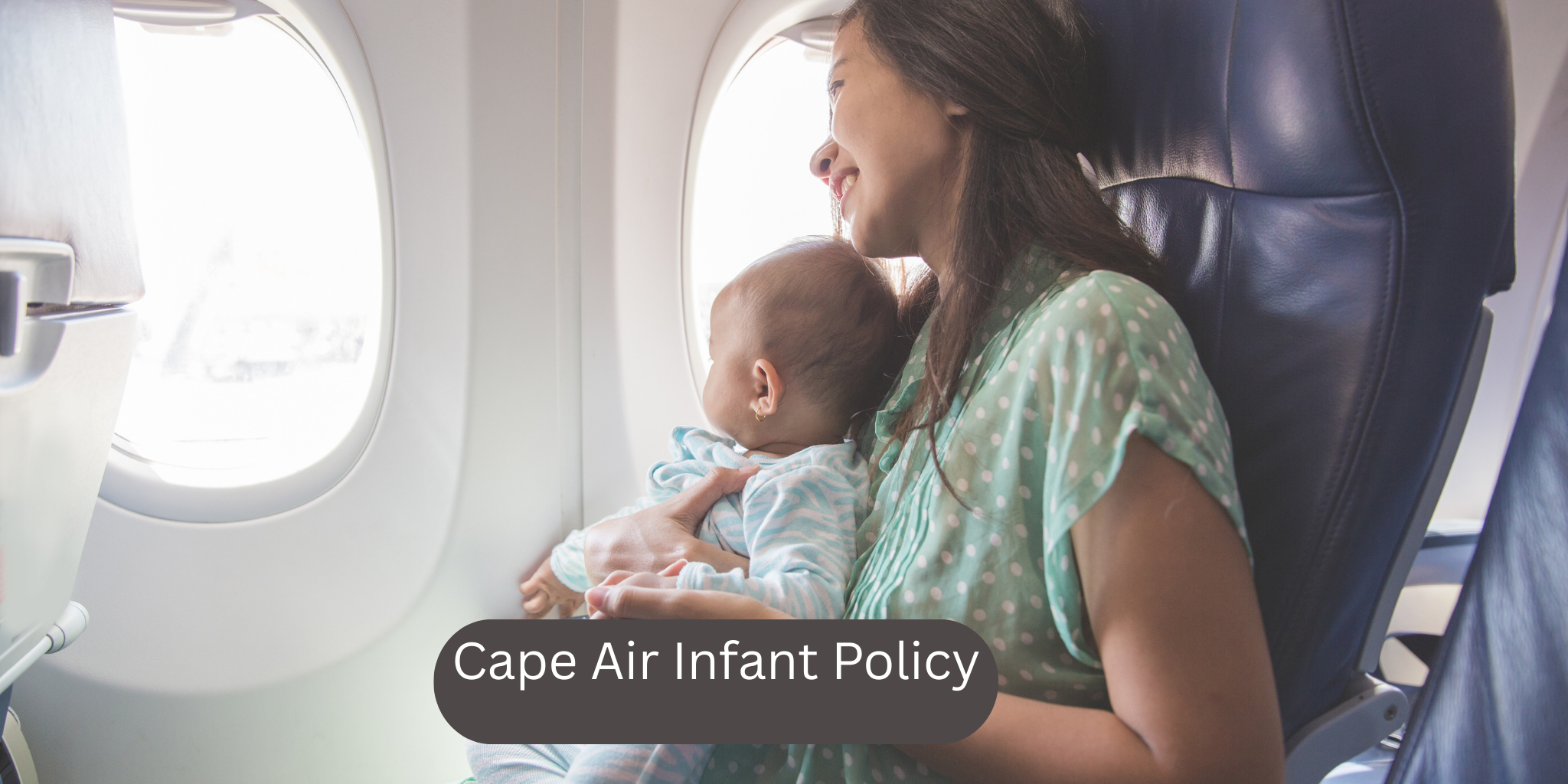
Cape Air allows infants under 2 years old (24 months) to travel on an adult's lap for a reduced fare or no extra charge on domestic flights, generally requiring them to be at least 7 days old or have medical clearance.
Traveling with a baby is a special experience—exciting, emotional, and sometimes a little nerve-wracking. If you’re flying with a young child on Cape Air, understanding the Cape Air infant policy ahead of time can make all the difference between a stressful journey and a smooth one. Because Cape Air operates smaller aircraft on regional and island routes, its infant travel rules differ from those of large commercial airlines.
Understanding the Cape Air Infant Policy
The Cape Air infant policy is built around safety, comfort, and the unique aircraft used by the airline. Cape Air operates small turboprop aircraft, which means limited cabin space and strict weight-balance requirements.
Unlike major airlines, Cape Air places extra emphasis on:
- Passenger safety
- Aircraft balance
- Limited seating and storage
Because of this, infant travel rules may feel more structured—but with proper planning, traveling with a Cape Air infant can be simple and enjoyable.
Who Qualifies as an Infant on Cape Air?
Under the Cape Air infant policy, an infant is defined as:
- A child under 2 years old (under 24 months) on the day of travel
Once a child turns two, they are no longer considered an infant and must:
- Travel with their own purchased seat
- Pay the applicable child or adult fare
Cape Air Infant Ticket Options
Cape Air offers two main ways for infants to travel.
1. Lap Infant (Infant Without a Seat)
Most parents choose to fly with their infant on their lap.
- ✔ Infant travels on an adult’s lap
- ✔ One lap infant allowed per adult passenger
- ✔ Infant fare is usually reduced or minimal
During taxi, takeoff, and landing, the infant must be securely held according to crew instructions.
2. Infant With a Purchased Seat
Parents may choose to buy a separate seat for their infant.
- ✔ Infant travels in their own seat
- ✔ Approved child safety seat may be used
- ✔ Offers more comfort and personal space
This option is ideal for:
- Longer flights
- Infants who dislike being held
- Parents want added safety and comfort
Under the Cape Air infant policy, the purchased seat must comply with aircraft safety rules.
Infant Fare Rules on Cape Air
Infant fares vary based on:
- Route
- Whether the infant is traveling on a lap or in a seat
- Availability
General Infant Fare Guidelines
- Lap infants typically pay a reduced fare
- Infants with a seat pay closer to a child or discounted adult fare
- Taxes and fees may still apply
Because pricing can change by route, parents are encouraged to confirm infant fares at the time of booking.
Required Documents for Cape Air Infant Travel
Parents must carry proper documentation for their infant.
Documents May Include
- Birth certificate (to verify age)
- Passport (for international travel)
- Any required visas or travel authorizations
Even on domestic flights, proof of age may be requested to confirm infant eligibility under the Cape Air infant policy.
Seating Rules for Cape Air Infants
Due to aircraft size and safety requirements, seating rules are strictly enforced.
Important Seating Guidelines
- Infants may not sit in emergency exit rows
- Bassinet seating is not available on Cape Air aircraft
- Car seats must be approved and fit within the seat dimensions
Parents traveling with more than one infant must ensure:
- Each infant is properly accommodated
- One infant may be held, and the other must have a seat
Car Seats and Child Restraints
Cape Air allows approved child safety seats, but restrictions apply.
- ✔ Must be FAA-approved
- ✔ Must fit within aircraft seat dimensions
- ✔ Must be installed according to crew instructions
Due to limited space, not all car seats may be accepted. Lightweight, compact models are recommended for Cape Air infant travel.
Cape Air Infant Baggage Policy
Baggage is one of the most important concerns for parents traveling with babies.
Infant Baggage Allowance
Under the Cape Air infant policy, infant baggage allowances may include:
- One stroller or collapsible carriage (space permitting)
- Car seat (may count toward baggage weight)
- Diaper bag (often counted toward total baggage allowance)
Unlike large airlines, Cape Air uses a weight-based baggage system, meaning infant items may count toward the adult’s total baggage weight.
Strollers and Baby Gear
Strollers are often allowed but subject to space availability.
Stroller Guidelines
- Lightweight, collapsible strollers are preferred
- Large or rigid strollers may be delayed
- Some strollers may travel on a later flight
Parents should be prepared for gate-checking or alternate arrangements.
Traveling with Baby Food and Formula
Cape Air allows parents to bring:
- Baby formula
- Breast milk
- Baby food
These items are usually permitted in reasonable quantities and are essential for infant comfort during travel.
Onboard Comfort for Cape Air Infants
While Cape Air aircraft are small, the crew is trained to assist families.
- ✔ Friendly assistance during boarding
- ✔ Help with seating and safety instructions
- ✔ Guidance during turbulence or landing
However, parents should note:
- Changing tables may not be available
- Cabin space is limited
- Preparation is key
Tips for a Smooth Flight with a Cape Air Infant
Traveling with an infant requires planning—especially on a regional airline.
Smart Travel Tips
- ✔ Choose aisle seats for easier movement
- ✔ Pack essentials in an easily accessible bag
- ✔ Feed or pacify infants during takeoff and landing
- ✔ Use soft-sided baby gear
- ✔ Arrive early for check-in and baggage weighing
Preparation makes all the difference when flying under the Cape Air infant policy.
Medical and Special Needs Considerations
Parents traveling with infants who have medical needs should:
- Notify Cape Air in advance
- Carry all medications in carry-on bags
- Bring documentation if needed
Cape Air aims to accommodate medical needs but must prioritize safety and aircraft limitations.
Traveling with More Than One Infant
If you’re traveling with twins or multiple infants:
- Each infant must be properly accounted for
- One adult cannot hold more than one infant on their lap
- Additional seats may be required
This ensures compliance with the Cape Air infant policy and onboard safety regulations.
What Happens If Infant Items Are Delayed?
Due to limited cargo space:
- Baby items may occasionally travel on a later flight
- Cape Air will work to reunite items as soon as possible
- Parents should pack essentials in carry-on bags
Why Cape Air Infant Policy Is Different
Cape Air’s infant policy is shaped by:
- Small aircraft size
- Short-haul routes
- Safety-focused weight limits
While it may seem more restrictive than larger airlines, these rules help ensure safe and reliable flights for all passengers—including families.
Frequently Asked Questions About Cape Air Infant Policy
Is flying with an infant on Cape Air safe?
Yes. Cape Air follows strict safety standards and crew protocols.
Can infants sit in their own seats?
Yes, if a seat is purchased and approved restraints are used.
Does Cape Air offer bassinets?
No, bassinets are not available due to aircraft size.
Do infants get free baggage?
Infant items may count toward the adult’s baggage allowance.
Final Thoughts: Traveling Confidently with a Cape Air Infant
The Cape Air infant policy is designed to prioritize safety while still offering flexibility for families. While flying on smaller aircraft requires more planning, many parents find Cape Air to be a comfortable and welcoming option for regional travel.
By understanding ticket options, baggage limits, seating rules, and preparation tips, you can enjoy a smooth and memorable journey with your Cape Air infant.
Traveling with a baby is never just about the destination—it’s about the experience. With the right knowledge and preparation, your Cape Air journey can be calm, comfortable, and filled with beautiful first-travel memories. ✈️👶

|
|
|

|

|

|

|

|




Leave a Reply