

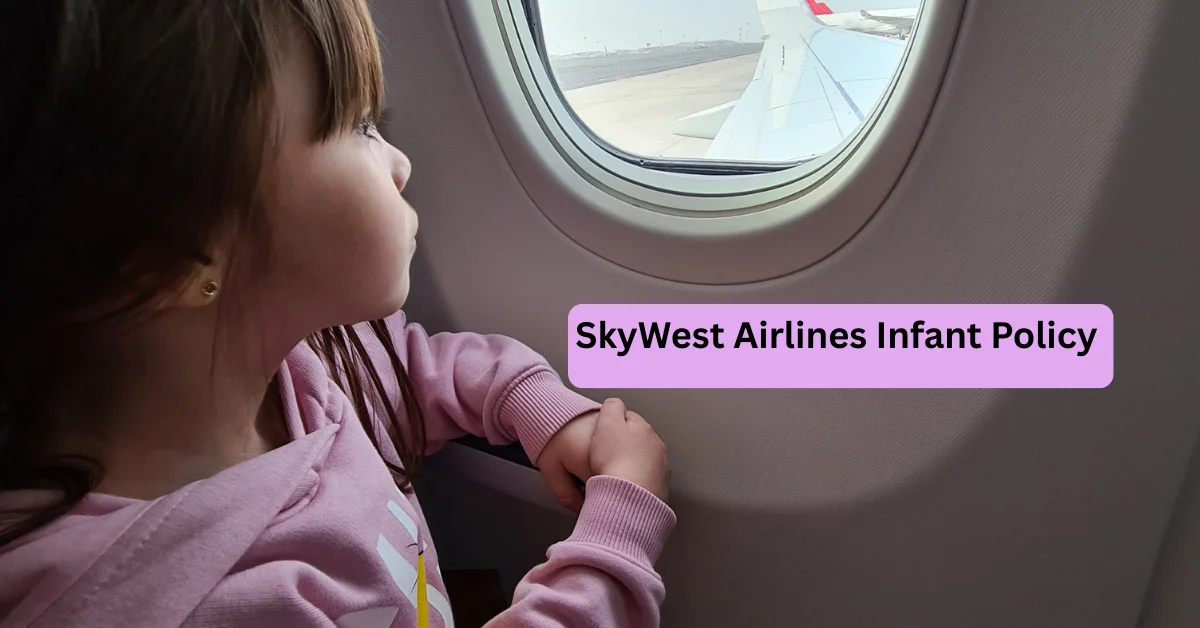
SkyWest Airlines Infant Policy — detailing how the airline (via its operating partner carriers) handles travel with infants (children under 2), lap infant rules, purchasing a seat, safety considerations, documentation, baggage allowances, seating, international rules, and practical tips for parents. Since SkyWest Airlines operates flights for major carriers (Delta Connection, United Express, American Eagle, Alaska Airlines), many of the specifics depend on the partner airline’s official infant policy for your booked ticket — but there are consistent practices across all of them.
Who Is an “Infant”? Definition and Age Criteria
An infant is generally defined as a child younger than 2 years old (under 24 months). Once a child reaches their second birthday, they are no longer an infant and must occupy their own seat on a paid ticket.
SkyWest itself does not sell tickets directly under its own brand — instead, it operates flights for partner airlines. When you book a SkyWest-operated flight, the infant travel rules follow those of the mainline airline you’re booking with (e.g., Delta, United, American, or Alaska).
Infant Travel Options: Lap Infant vs. Seat Purchase
A. Lap Infant (Infant on Adult’s Lap)
- No separate seat is purchased for the infant.
- The infant must sit on an adult’s lap during takeoff, landing, and turbulence.
- A lap infant typically travels free of charge on domestic flights within the U.S. when accompanied by a fare-paying adult.
- Only one lap infant per adult is allowed in most cases.
- Exit row seats are restricted for passengers traveling with lap infants for safety (due to limited space and oxygen-mask configurations).
- Some airlines require that infants be officially added to the reservation before arrival at the airport — otherwise, boarding issues can occur.
Why lap infants are common: Having the infant on your lap without a purchased seat can save money — especially useful for families traveling on a budget or on short domestic flights.
B. Infant in Own Seat
- Parents or guardians may purchase a seat for the infant if they want the baby to have their own space.
- If doing so, you must use an FAA-approved child restraint system (CRS) such as a car seat that meets federal aviation safety standards.
- SkyWest and its partners do not provide these child seats, so passengers must bring their own.
- This option is often recommended for longer flights or when extra space and safety are priorities.
Key safety note: Federal guidelines allow the infant to occupy a seat only if secured in an approved child restraint that fits the aircraft seat. The airline’s or partner airline’s specific policy on what types of CRS are accepted may vary slightly, but FAA-approved equipment is universally required on U.S. flights.
Documentation Requirements
To comply with travel rules, especially for infants:
- Proof of age (e.g., birth certificate) may be requested at the airport, particularly for infants traveling free as lap infants.
- For international travel, infants will require a valid passport and possibly visas depending on your destination.
- Some partner airlines (e.g., American or United) may require a medical clearance for very young infants (especially under 7 days old).
Ensuring the proper documentation ahead of time helps avoid delays at check-in or boarding.
Safety Considerations and Federal Aviation Rules
Air travel safety for infants is regulated by federal aviation rules:
- Lap infants: During critical phases of flight — takeoff, landing, and turbulence — infants must be held securely by their accompanying adult.
- Child seats: If the infant has a purchased seat, a child safety seat (CRS) must be used. FAA-approved CRSs are designed for use on aircraft seats.
These guidelines are grounded in aviation safety standards, ensuring the safest possible travel for infants.
Seating Assignments and Restrictions
When traveling with an infant:
- Exit rows and bulkhead rows may have seating restrictions for passengers with lap infants due to safety limitations and oxygen mask locations.
- If you purchase a seat for your infant (using a CRS), you might have more seat options available, but still must follow seat spacing and safety requirements.
- Some airlines allow lap infants and their CRSs in bulkhead seats, but it depends on aircraft type — so confirming with the airline during booking is wise.
Baggage Allowance for Infants
Travelling with an infant usually involves extra gear (strollers, car seats, diaper bags), and generally:
- Strollers and car seats can often be checked free of charge at the ticket counter or gate.
- A diaper bag or essential baby item is typically allowed in addition to the adult’s standard carry-on allowance — but carry-on allowances vary by partner airline.
- Extra or oversized items (e.g., large folding strollers or wagons) might be considered standard checked baggage and may incur fees.
Always check partner airline baggage rules when booking (especially for international flights).
International Flights: Taxes and Fees
While domestic lap infant travel is generally free:
- International flights often include applicable taxes or fees for lap infants.
- If the infant has their own purchased seat, regular fare and taxes apply just like any other passenger.
Always double-check with the partner airline at booking so you know what additional charges may apply beyond the base adult ticket.
Adding or Confirming an Infant on Your Booking
To avoid issues at the airport:
- Add the infant to your reservation as early as possible — you may be able to do this online, via mobile app, or by calling the airline.
- Some fare types don’t let you add an infant online, so calling customer service is often recommended.
- Ensure age and travel status (lap vs. seat) are correctly listed on the ticket. If not, you may face boarding delays or fees at check-in.
Practical Tips for Parents Traveling with Infants
Here are several helpful tips to make your journey smoother:
Booking and Reservations
- Book well in advance — especially if you plan to buy a seat for your infant, as early purchases give you more seat options.
- Confirm seating and luggage allowances during booking with your airline representative.
Airport Arrival
- Arrive at the airport early — families with infants often need extra time for check-in and security.
- Have all documentation handy (passport, birth certificate, medical forms if needed).
Carry-On Essentials
- Bring key items like diapers, formula, and a change of clothes in your carry-on.
- While carry-on policies vary, parents generally get some leeway for baby essentials, but checking rules firsthand avoids surprises.
Seating Comfort
- If possible, reserve seats with extra space (aisle or bulkhead seats if allowed) for better comfort.
- If buying your infant a seat with a CRS, ensure the seat fits the aircraft. Measuring dimensions before travel helps avoid issues.
During the Flight
- Bring familiar toys, blankets, and items to soothe your infant, especially for longer flights.
- Expect flight attendants to enforce safety instructions during takeoff and landing.
Policy Variations Across Partner Airlines
Remember: SkyWest’s infant rules follow the airline you booked with because SkyWest operates flights under partner brands. For example:
- Delta Connection (operated by SkyWest): Infants under 2 may fly on an adult’s lap.
- American Eagle / United Express: Similar rules apply for lap infants and seats, but exact incidental charges may vary.
- Alaska Airlines (when operating SkyWest flights): Allows lap infants and permits CRS on purchased seats according to Alaska’s own rules.
Each partner carrier’s conditions of carriage spell out specific rules — so always reference the airline you booked with for the most accurate and binding details.
Conclusion
Traveling with an infant on SkyWest-operated flights is generally straightforward but requires careful attention:
- Lap infants under 2 can travel free in most domestic cases when accompanied by an adult.
- You may purchase a seat and use an FAA-approved CRS for enhanced safety and comfort.
- Documentation, seating restrictions, and baggage allowances vary by partner airline, so always verify at booking.
- Planning ahead and understanding the rules can significantly ease the stress of flying with a baby.
|

|
|
|
|
|
|

|




Leave a Reply