

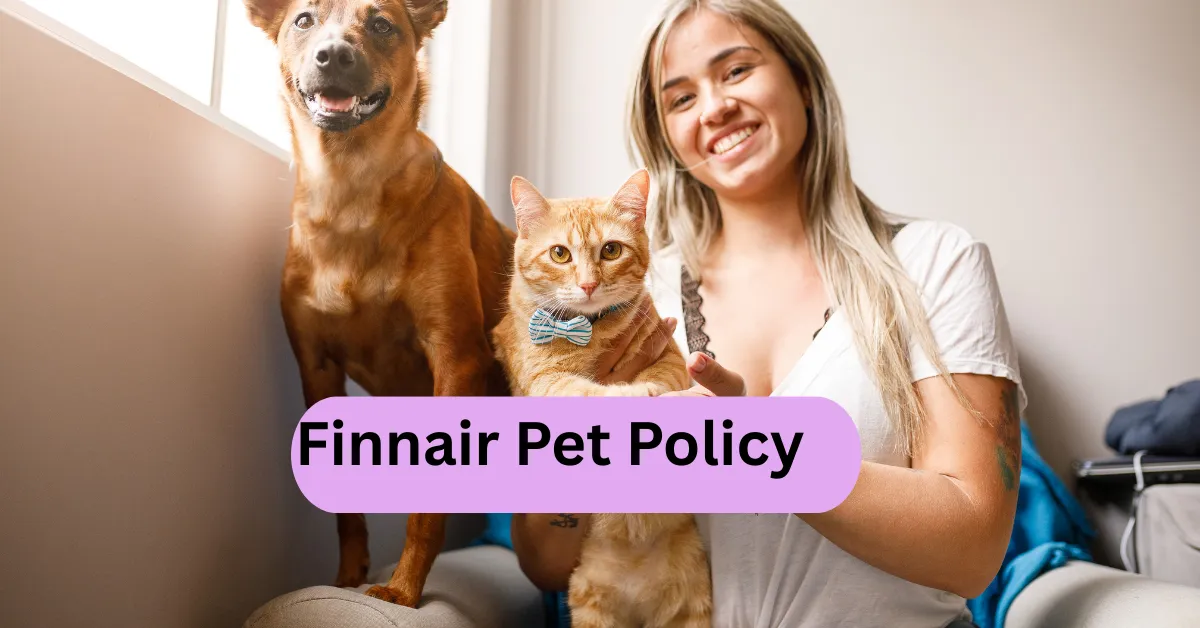
Finnair Pet Policy 2026: Traveling with pets can be a rewarding experience, but it requires careful planning and a clear understanding of airline rules. The Finnair Pet Policy is designed to ensure safe, comfortable, and stress-free travel for both passengers and their animals. Whether you’re flying with a small pet in the cabin or transporting a larger animal in the cargo hold, Finnair provides structured guidelines that prioritize animal welfare, safety, and compliance with international regulations.
As a global airline connecting Europe, Asia, and North America, Finnair accommodates pets under specific conditions. The airline allows pets in the cabin for certain sizes and offers cargo transport for larger animals. However, requirements vary depending on route, aircraft type, and destination regulations. By understanding the policy in detail, pet owners can avoid delays, minimize stress, and ensure a smooth journey for their companions.
What is Finnair Pet Policy?
The Finnair Pet Policy outlines the rules and procedures for traveling with animals on Finnair flights. It defines eligibility, transportation options, documentation requirements, and applicable fees.
The policy typically covers:
- Types of pets allowed
- Cabin and cargo transport options
- Carrier and crate requirements
- Health and vaccination documentation
- Fees and restrictions
This policy ensures that all pets are transported in a safe and humane manner.
Does Finnair Allow Pets on Flights?
Yes, Finnair allows pets to travel, but under specific conditions.
Key Highlights:
- Small pets may travel in the cabin
- Larger animals must be transported in the cargo hold
- Advance booking is required due to limited space
- Acceptance depends on aircraft type and route
Passengers must confirm pet travel availability at the time of booking.
Types of Pets Allowed
Finnair generally accepts common household pets.
Accepted Animals:
- Dogs
- Cats
- Small rodents (in some cases)
Restrictions:
- Exotic or dangerous animals are not permitted
- Certain breeds may have restrictions due to safety or health concerns
Always verify eligibility before making travel plans.
Pet Travel Options
Finnair offers two primary options for pet travel:
1. Pets in the Cabin
- Suitable for small pets
- Must travel in an approved carrier under the seat
- Combined weight of pet and carrier must meet limits
- Limited number of pets allowed per flight
2. Pets in the Cargo Hold
- Required for larger animals
- Transported in a temperature-controlled environment
- Must use airline-approved crates
Choosing the right option depends on your pet’s size, weight, and comfort.
How to Book Pet Travel
Booking pet travel requires advance planning.
Steps:
- Book your flight first
- Contact Finnair to add your pet
- Provide details about the pet (size, weight, breed)
- Confirm availability and fees
- Prepare required documentation
Early booking is essential due to limited space.
Pet Travel Process
The process for traveling with pets is structured and systematic.
- Reservation: Inform Finnair about your pet
- Documentation: Prepare health certificates and vaccination records
- Carrier Preparation: Ensure the crate meets requirements
- Check-In: Arrive early for pet verification
- Security and Handling: Pets are checked and prepared for travel
- Arrival: Collect your pet at the destination
Following each step ensures a smooth experience.
Carrier and Crate Requirements
Proper carriers are essential for pet safety.
Cabin Carrier:
- Must fit under the seat
- Well-ventilated and secure
- Leak-proof bottom
Cargo Crate:
- Large enough for the pet to stand and turn
- Strong and escape-proof
- Proper ventilation on all sides
- Labeled with owner information
Non-compliant carriers may result in denied boarding.
Rules for Traveling with Pets
Finnair enforces strict rules to ensure safety.
Key Rules:
- Pets must be healthy and fit for travel
- Required documentation must be provided
- Pets must remain in carriers during the flight
- Feeding and watering guidelines must be followed
- Compliance with destination country regulations is mandatory
These rules protect both pets and passengers.
24-Hour Rule for Pet Bookings
While the 24-hour rule mainly applies to ticket changes, it can also impact pet arrangements.
Key Points:
- Changes within 24 hours may be easier to manage
- Early notification helps avoid additional fees
- Last-minute changes may not be accepted
Planning ahead is critical for pet travel.
Fees for Pet Travel
Pet travel involves additional charges.
Fee Factors:
- Cabin vs cargo transport
- Size and weight of the pet
- Route and destination
- Additional handling services
Cost Tips:
- Book early to secure availability
- Confirm fees in advance to avoid surprises
Fees vary depending on specific travel conditions.
Health and Documentation Requirements
Proper documentation is essential for pet travel.
Required Documents:
- Health certificate issued by a veterinarian
- Proof of vaccinations (e.g., rabies)
- Import/export permits if required
Additional Requirements:
- Microchipping may be mandatory in some destinations
- Compliance with country-specific regulations
Incomplete documentation can result in denied travel.
Weather and Travel Restrictions
Weather conditions can impact pet travel.
Important Considerations:
- Extreme temperatures may restrict cargo transport
- Seasonal regulations may apply
- Flights may be rescheduled due to weather conditions
Passengers should monitor updates and plan accordingly.
Safety and Comfort Measures
Finnair prioritizes the well-being of animals.
Safety Measures:
- Temperature-controlled cargo areas
- Proper ventilation systems
- Careful handling procedures
Comfort Tips:
- Acclimate your pet to the carrier before travel
- Avoid feeding heavy meals before departure
- Include familiar items for comfort
These measures help reduce stress for pets.
Tips for Traveling with Pets
Traveling with pets becomes easier with proper preparation.
Before Travel:
- Visit a veterinarian for a health check
- Ensure vaccinations are up to date
- Train your pet to stay in the carrier
During Travel:
- Keep your pet calm and comfortable
- Follow airline instructions carefully
After Arrival:
- Check your pet’s condition immediately
- Provide water and rest
Preparation is key to a successful journey.
Common Mistakes to Avoid
Avoid these common errors:
- Booking without confirming pet availability
- Using incorrect carriers
- Missing required documentation
- Arriving late at the airport
- Ignoring destination regulations
Avoiding these mistakes ensures a smoother experience.
Additional Considerations
Finnair operates international routes, meaning pet travel may involve multiple regulations depending on the destination. Some countries have strict quarantine or import rules, so passengers must research requirements in advance.
Codeshare flights may have different pet policies, and not all partner airlines accept pets. Always verify policies for the entire journey.
When to Contact Customer Support
Some situations require assistance:
- Complex itineraries
- Cargo transport arrangements
- Documentation clarification
- Special requests
Customer support can guide you through the process and ensure compliance with all requirements.

|
|

|

|
|

|

|

|

|




Leave a Reply