

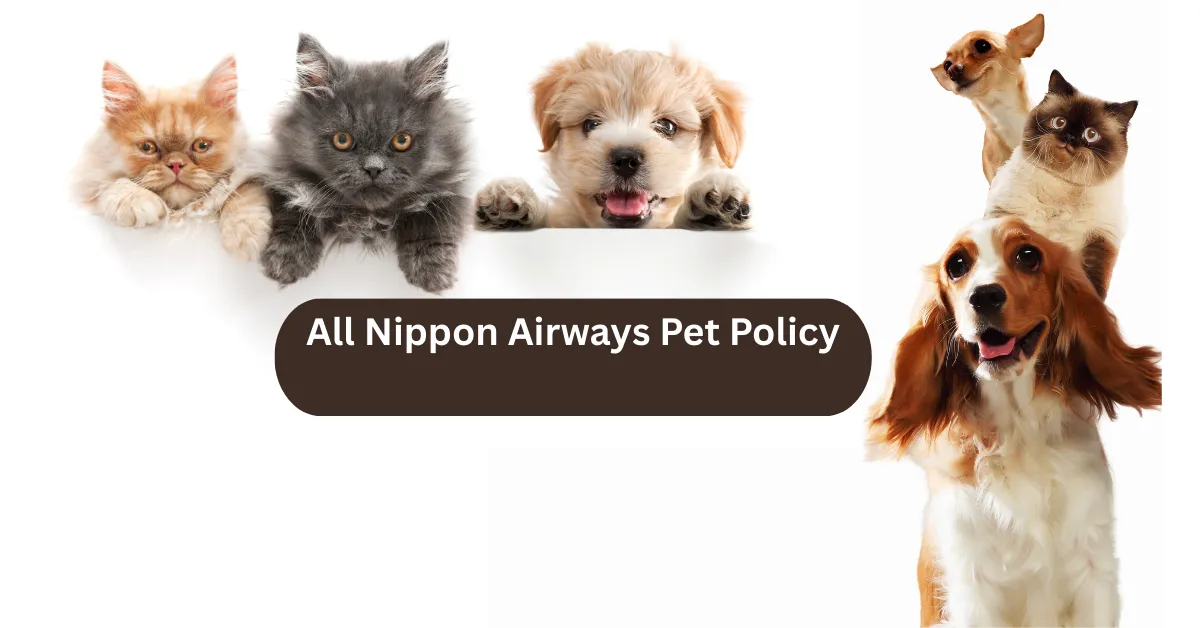
All Nippon Airways Pet Policy: Traveling with pets requires proper planning, especially when flying internationally. If you are planning to travel with your pet on All Nippon Airways (ANA), understanding the airline’s pet policy is essential. From carrier requirements to fees and documentation, being informed in advance ensures a safe and smooth journey for both you and your pet.
This guide provides a complete overview of ANA’s pet policy, including allowed animals, booking process, fees, restrictions, and important travel tips.
What is the All Nippon Airways Pet Policy?
The All Nippon Airways pet policy allows passengers to travel with pets under specific conditions. In most cases, pets are transported as checked baggage or cargo, rather than in the passenger cabin.
Key Highlights:
- Pets are not allowed in the cabin except for certified service dogs
- Dogs and cats are the primary animals accepted
- A reservation is required
- Approved pet carriers must be used
- Fees vary based on route, weight, and size
The policy focuses on maintaining safety standards for animals during air travel.
What Pets Are Allowed on ANA?
ANA permits only certain types of pets for transport.
Allowed Pets:
- Dogs
- Cats
Not Allowed:
- Exotic animals
- Birds, reptiles, and rodents (generally restricted)
- Animals considered dangerous or aggressive
Service Animals:
- Service dogs are allowed in the cabin
- Must meet certification and behavioral requirements
How to Travel with Pets on ANA?
Passengers must follow a structured process to travel with pets.
Step-by-Step Process:
1. Contact ANA in Advance
- Inform ANA at least 48–72 hours before departure.
2. Provide Pet Details
You will need to share:
- Type and breed
- Weight (including carrier)
- Carrier dimensions
3. Prepare Required Documents
Required documents may include:
- Veterinary health certificate
- Vaccination records
- Import/export permits (for international routes)
4. Confirm Booking
Pet space is limited, so early confirmation is important.
5. Pay Pet Travel Fees
Charges are based on route and pet size.
6. Arrive Early at the Airport
Additional processing time is required during check-in.
Does ANA Allow Pets in the Cabin?
Cabin Policy:
- Only service dogs are allowed in the cabin
- Emotional support animals are generally not accepted
- Service dogs must be properly trained and documented
All other pets must travel in the cargo hold or as checked baggage.
Pet Carrier Requirements
Using the correct carrier is essential for your pet’s safety.
Carrier Guidelines:
- Must comply with IATA standards
- Proper ventilation on all sides
- Secure locking system
- Leak-proof base
- Sufficient space for the pet to stand, turn, and lie down
Additional Recommendations:
- Label the carrier clearly
- Include water and food containers
- Add familiar bedding for comfort
- ANA Pet Travel Fees
Pet travel fees vary depending on multiple factors.
Fee Structure:
- Based on total weight (pet + carrier)
- Domestic routes: Lower charges
- International routes: Higher charges
Key Points:
- Fees are calculated per flight segment
- Larger pets typically incur higher fees
- Charges may vary depending on the destination
Passengers should confirm exact fees directly with ANA before travel.
24-Hour Policy for Pet Bookings
ANA does not provide a separate 24-hour rule specifically for pet travel. However, general booking policies apply.
Key Insights:
- Flight bookings can be modified within 24 hours
- Pet reservations are subject to availability
- Changes should be requested as early as possible
Pet Travel on International Flights
International pet travel involves additional requirements.
Important Considerations:
- Country-specific import regulations
- Vaccination and microchip requirements
- Possible quarantine rules
- Additional documentation
Passengers should verify destination country requirements well in advance.
Restricted Breeds and Health Conditions
Certain pets may face restrictions due to safety concerns.
Common Restrictions:
- Snub-nosed (brachycephalic) breeds may have limitations
- Pregnant animals are generally not accepted
- Sick or injured pets may be denied travel
These restrictions help ensure the well-being of animals during flights.
Safety Measures for Pet Travel
ANA implements procedures to maintain pet safety.
Key Measures:
- Temperature-controlled cargo compartments
- Careful handling during loading and unloading
- Monitoring during transit
Owner Responsibilities:
- Ensure the pet is healthy and fit for travel
- Avoid feeding immediately before departure
- Follow all airline guidelines
What Happens During Delays or Flight Changes?
In case of delays or disruptions:
Key Points:
- ANA prioritizes pet safety
- Additional care arrangements may be provided
- Owners may receive updates when possible
Important Conditions to Remember
Advance Reservation
Pet bookings must be made early due to limited space.
Documentation
Incomplete paperwork can result in the denial of transport.
Check-In Timing
- Domestic flights: Arrive at least 2–3 hours early
- International flights: Arrive at least 3–4 hours early
Compliance
Passengers must follow all airline and destination regulations.
Tips for Traveling with Pets on ANA
Proper preparation helps ensure a smooth journey.
Practical Tips:
- Visit a veterinarian before travel
- Train your pet to stay in the carrier
- Avoid sedation unless recommended by a vet
- Attach identification tags
- Carry copies of all documents
- Choose direct flights when possible
When to Choose Cargo Transport
Cargo services may be more suitable if:
- The pet is large
- Travel involves multiple connections
- Destination rules require cargo transport
Why Understanding ANA Pet Policy Matters
Knowing the pet policy helps:
- Avoid unexpected issues at the airport
- Ensure compliance with regulations
- Improve pet safety and comfort
- Simplify travel planning
Final Thoughts
The All Nippon Airways pet policy is designed with a strong focus on safety and compliance. While pets are not permitted in the cabin (except service animals), ANA provides structured options for transporting pets as checked baggage or cargo.
To ensure a smooth experience, passengers should plan early, prepare all required documents, and follow airline guidelines carefully. Proper preparation helps make pet travel safe, efficient, and stress-free.

|
|

|

|
|

|

|

|
|




Leave a Reply