

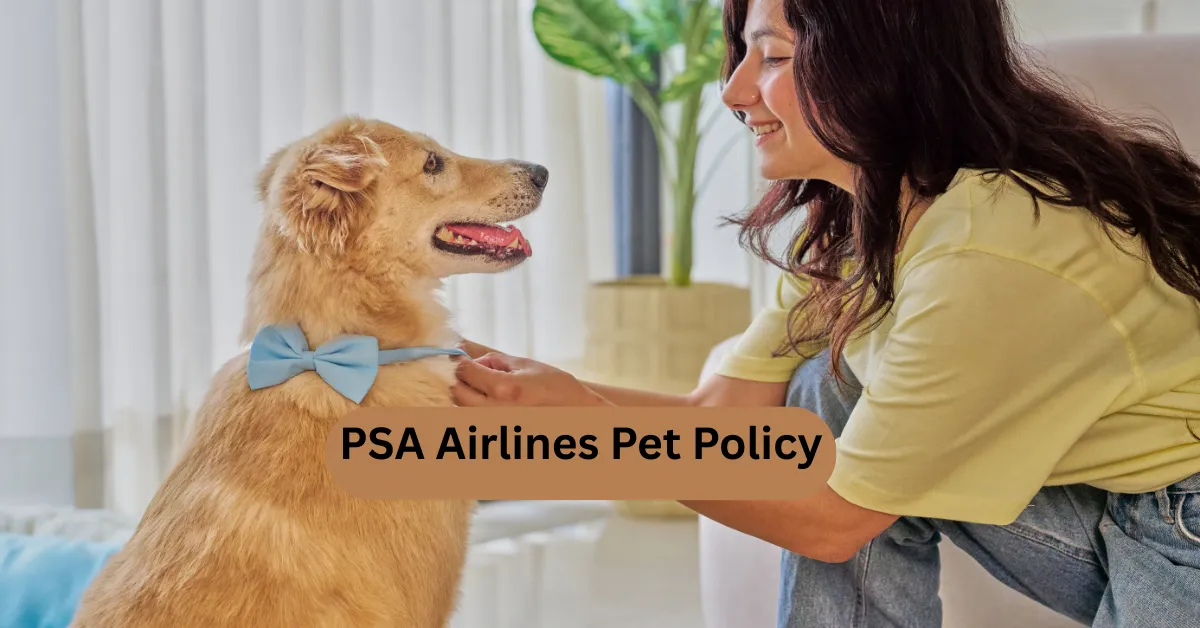
There’s a certain moment at regional airports—usually near a gate with a handwritten sign and a jet that looks just a little too small—when pet owners start doing mental math. Carrier size. Seat clearance. Will this actually work? Flying with animals on regional airlines is never casual, and PSA Airlines is no exception. The rules aren’t impossible, but they are precise, and missing one detail can unravel the whole trip.
The PSA Airlines Pet Policy follows the same core structure as American Airlines, but smaller aircraft add a layer of stress that doesn’t show up on a policy page. Tight cabins. Limited under-seat space. Fewer allowed per flight. That’s where preparation matters more than optimism.
Understanding PSA Airlines and Its Aircraft
PSA Airlines operates as a regional carrier under the American Airlines umbrella. Most flights are short-haul routes using Bombardier CRJ-700 and CRJ-900 aircraft. These planes were designed for efficiency, not generosity. Overhead bins are compact. Legroom is minimal. Under-seat storage varies by row.
That matters because the PSA Airlines Pet Policy only allows pets in the cabin. There is no checked-pet or cargo option. If the pet does not fit safely under the seat in front, the journey ends at the gate.
Which Pets Are Allowed In the Cabin
The policy is simple on paper. Only cats and dogs are permitted. No birds. No rabbits. No emotional support loopholes. The pet must be small enough to remain fully inside a carrier that fits beneath the seat for the entire flight.
Pets must be clean, healthy, odor-free, and calm enough to travel without causing disruption. Excessive barking, aggressive behavior, or visible distress can lead to denied boarding. Gate agents have final authority, and they do use it.
Carrier Size Rules (This Is Where Most Problems Happen)
Carrier size is the most common failure point. PSA’s aircraft have tighter under-seat dimensions than mainline jets. Soft-sided carriers are strongly recommended, bordering on mandatory in practice.
Hard-sided kennels rarely fit correctly, even when listed as “airline approved.” They do not flex. The floor hardware underneath regional seats is unforgiving. One inch too tall and it becomes a public negotiation no one wins.
Recommended carrier dimensions generally fall around:
- Soft-sided carriers: approximately 18 x 11 x 11 inches
- Must be leak-proof, well-ventilated, and fully enclosed
- The pet must be able to stand and turn around comfortably
If the animal looks compressed or unable to move naturally, boarding can be denied on the spot. No refund. No argument. Just an apologetic shrug and a rebooking nightmare.
Pet Fees and How Payment Works
The PSA Airlines Pet Policy charges a standard in-cabin pet fee, typically aligned with American Airlines pricing. As of recent guidelines, the fee is usually $125 each way.
This fee is non-refundable and collected at the airport, not online. Payment methods vary by location, but credit cards are the safest option. Cash acceptance is inconsistent.
The carrier counts as a personal item. That means one less bag. No exceptions. The backpack stays home, or the carry-on does.
How Many Pets Are Allowed Per Flight
Regional flights allow only a small number of in-cabin pets, often between five and seven total. Once those slots are filled, that’s it. Even with a valid reservation, a pet must be added separately.
Calling American Airlines reservations ahead of time is required. Waiting until check-in is risky. Waiting until the gate is worse.
Booking a Flight With a Pet on PSA Airlines
Adding a pet is not automatic. The reservation must be updated by phone through American Airlines. The pet is tied to the ticketed passenger, not the flight alone.
Seat assignments matter. Bulkhead seats are prohibited because there is no under-seat storage. Exit rows are also off-limits. Middle or window seats often provide slightly more predictable space.
Last-minute aircraft swaps do happen. When they do, carrier fit can change. It’s rare, but it’s not unheard of. Planning for flexibility helps.
Age and Health Requirements
Pets must be at least eight weeks old to fly. Younger animals are not accepted under any circumstances.
Health certificates are not always required for domestic travel, but having one is smart. Some states and territories may request documentation, especially when connecting or flying to locations like Puerto Rico.
Snub-nosed breeds deserve special attention. While allowed in the cabin, these pets can struggle with temperature changes and limited airflow during ground delays. Monitoring breathing is critical.
What to Expect at the Airport
Security screening requires removing the pet from the carrier. The animal is carried through the metal detector while the carrier goes through the X-ray machine.
A harness and leash are essential. Airports are loud, chaotic places. Dropped leashes turn into sprint drills very quickly.
At the gate, expect visual inspection. Agents may ask to see the pet inside the carrier. Calm presentation matters. Rushing rarely helps.
Onboard Rules During the Flight
Once onboard, the rules tighten. The carrier must stay closed and under the seat for the entire flight. No laps. No peeking. No quick unzip “just for air.”
Flight attendants enforce this consistently. Not because they enjoy it—but because safety rules leave no wiggle room.
Most pets settle after takeoff. Familiar smells help. A worn T-shirt inside the carrier works wonders. Sedation, however, is generally discouraged unless advised by a veterinarian.
Connections and Layovers
Connecting flights are common with PSA routes. The pet fee typically covers the entire one-way journey, including connections, as long as the itinerary remains within the same travel day.
Long layovers complicate things. Always verify. Policies can shift depending on elapsed time between flights.
Pet relief areas in smaller airports are inconsistent. Planning ahead—especially for dogs—reduces stress for everyone involved.
Common Mistakes That Derail Travel Plans
- Assuming “airline approved” means universal fit
- Not calling ahead to reserve a pet spot
- Using rigid carriers on regional jets
- Arriving late and hoping for flexibility
- Forgetting that the carrier replaces a personal item
None of these are dramatic mistakes. They’re normal. They’re also the reason pets get denied boarding every single day.
Is Flying With a Pet on PSA Airlines Worth It?
For short trips, yes—if expectations are realistic. The PSA Airlines Pet Policy is workable, but it demands attention to detail. This is not a “figure it out at the airport” situation.
Prepared travelers usually have smooth experiences. Unprepared ones learn very fast how strict regional travel can be.
Final Thoughts on the PSA Airlines Pet Policy
The PSA Airlines Pet Policy is built for efficiency, not flexibility. When followed carefully, it does its job. Pets arrive safely. Flights stay on schedule. Everyone moves on.
The key is respecting the limits of small aircraft and planning accordingly. Soft carriers. Early calls. Calm pets. No shortcuts.
Flying with animals is never effortless—but with the right setup, it doesn’t have to be chaos either.


Leave a Reply