

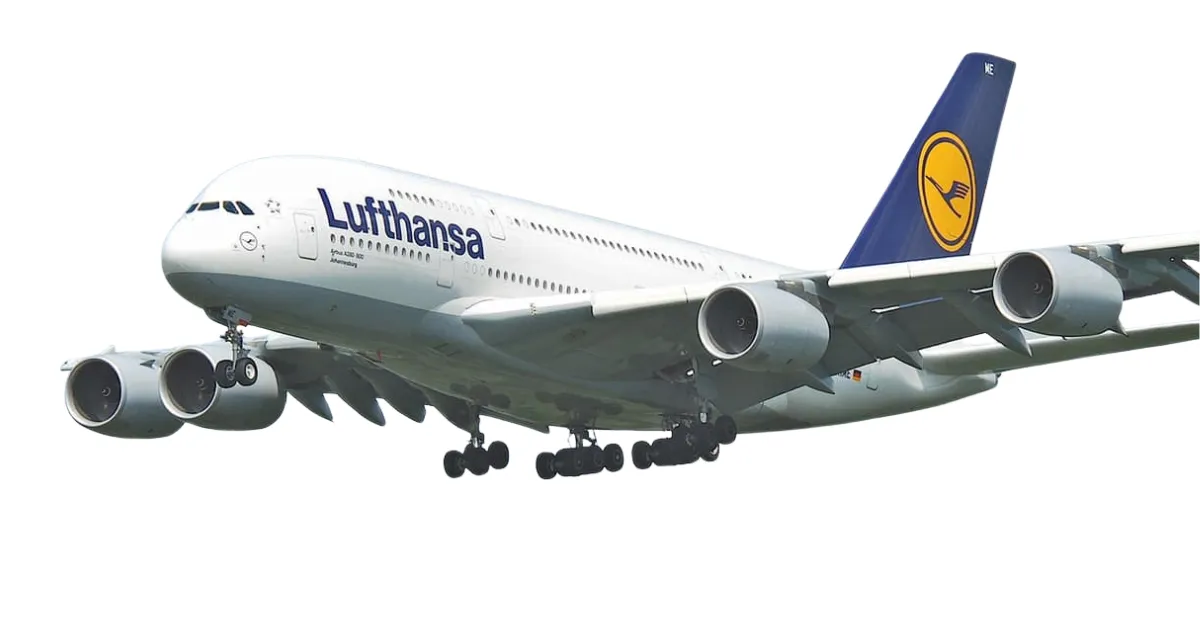
Lufthansa Airlines stands among the world’s long-established global carriers, known for steady service, wide international reach, and a slightly old-school approach that many travelers still appreciate. The airline operates as Germany’s flag carrier and connects major continents through an organized network of hubs and partner routes. Travel with Lufthansa Airlines often feels structured—boarding lines move quickly, schedules run tight, and the overall experience leans toward reliability rather than flashy extras. Some passengers even describe the airline as “quietly dependable,” which, honestly, sounds about right.
Cabin Classes and Flight Experience
Flights are divided into several cabin categories: Economy Class, Premium Economy, Business Class, and First Class on selected long-haul aircraft. Each cabin aims to match different travel budgets while maintaining a consistent service style. Clean interiors, simple design, and efficient service routines define the onboard environment. Cabin crew interactions tend to feel polite and professional—sometimes brisk during busy flights, yet still warm enough to keep passengers comfortable. Long journeys often include full meal services, snacks, beverages, and entertainment screens at most seats.
Economy Class
Economy Class remains the airline’s most widely booked option. Seats are designed with adjustable headrests, personal entertainment screens on most international aircraft, and a standard baggage allowance depending on ticket type. Meal selections vary by route length, usually featuring a hot entrée, bread roll, dessert, and drinks. Short-haul flights may offer lighter snacks instead. Seating space feels average compared with other European carriers, not cramped, not roomy—somewhere in the middle.
Premium Economy
Premium Economy adds extra legroom, wider seating, and upgraded meal presentation. Travelers also receive increased baggage allowance and priority check-in in many airports. The cabin layout offers fewer seats per row, creating a calmer atmosphere, which frequent flyers often prefer on long flights. Entertainment screens are larger, and amenity kits usually appear on overnight journeys. A practical upgrade for passengers wanting comfort without paying business-class fares.
Business Class
Business Class focuses on long-haul comfort with lie-flat seats, aisle access on newer aircraft, and dedicated lounge entry at major airports. Dining becomes more personalized—multi-course meals, real tableware, and expanded beverage selections. Work-friendly seating layouts, charging ports, and privacy dividers help business travelers stay productive in the air. Cabin service here tends to feel slower and more attentive compared with other sections, which many passengers quietly expect at this level.
Hubs and Main Operations
Primary operations run through Frankfurt Airport and Munich Airport, both functioning as major European connection centers. Frankfurt acts as the largest global hub, handling long-haul departures to North America, Asia, Africa, and the Middle East. Munich offers similar connectivity with slightly less congestion, making transfers smoother for some travelers. Regional European flights connect smaller cities into these hubs, feeding international routes throughout the day.
Destinations and Route Network
The airline serves more than 200 destinations worldwide across Europe, Asia-Pacific, the Americas, and Africa. Short-haul routes dominate the European schedule, linking business capitals and tourist cities. Long-haul services connect major international gateways such as New York, Toronto, Tokyo, Singapore, Johannesburg, and São Paulo. Membership in the Star Alliance network expands travel possibilities even further, allowing seamless connections with partner airlines through shared booking systems and coordinated schedules.
Fleet and Aircraft Details
Lufthansa Airlines operates a modern mixed fleet consisting of Airbus and Boeing aircraft. Long-haul operations include Airbus A350, Airbus A340, Boeing 747-8, and selected Boeing 787 Dreamliner aircraft as the fleet modernization plan continues. Short- and medium-haul services rely heavily on Airbus A320 family aircraft, widely used across European routes for efficiency and reliability. Fleet updates appear regularly as older aircraft gradually retire—an ongoing effort to reduce fuel consumption and improve passenger comfort.
IATA Code and Airline Code
The airline’s IATA code is LH, while the ICAO airline code is DLH. These identifiers appear on tickets, airport displays, and reservation systems worldwide, making it easy to recognize Lufthansa-operated flights.
Official Website and Online Services
The official website, www.lufthansa.com, provides booking tools, fare upgrades, online check-in, baggage tracking, and flight schedule updates. Travelers can manage reservations, select seats, purchase additional baggage, and monitor flight changes directly through the website or mobile application. Loyalty members enrolled in the Miles & More program earn travel miles for flights and partner purchases, redeemable for upgrades, reward tickets, and airport lounge access.
Travel Policies and Passenger Services
Ticket flexibility depends on fare category, with refundable and changeable ticket options available for travelers needing schedule adjustments. Baggage allowances vary by cabin class and route, with stricter limits on discounted fares. Customer service support is available through regional contact centers, airport counters, and digital chat assistance. While response times occasionally slow during peak travel seasons—holiday rush, weather disruptions, the usual chaos—service resolution generally remains organized.
Final Notes
Lufthansa Airlines continues to balance tradition and modernization, offering a travel experience centered on punctuality, structured operations, and global reach. Some flights feel quiet and businesslike; others feel lively depending on the route. Either way, the airline remains a strong option for travelers seeking dependable international connections, steady onboard comfort, and a route network covering nearly every major travel region worldwide.




Leave a Reply