

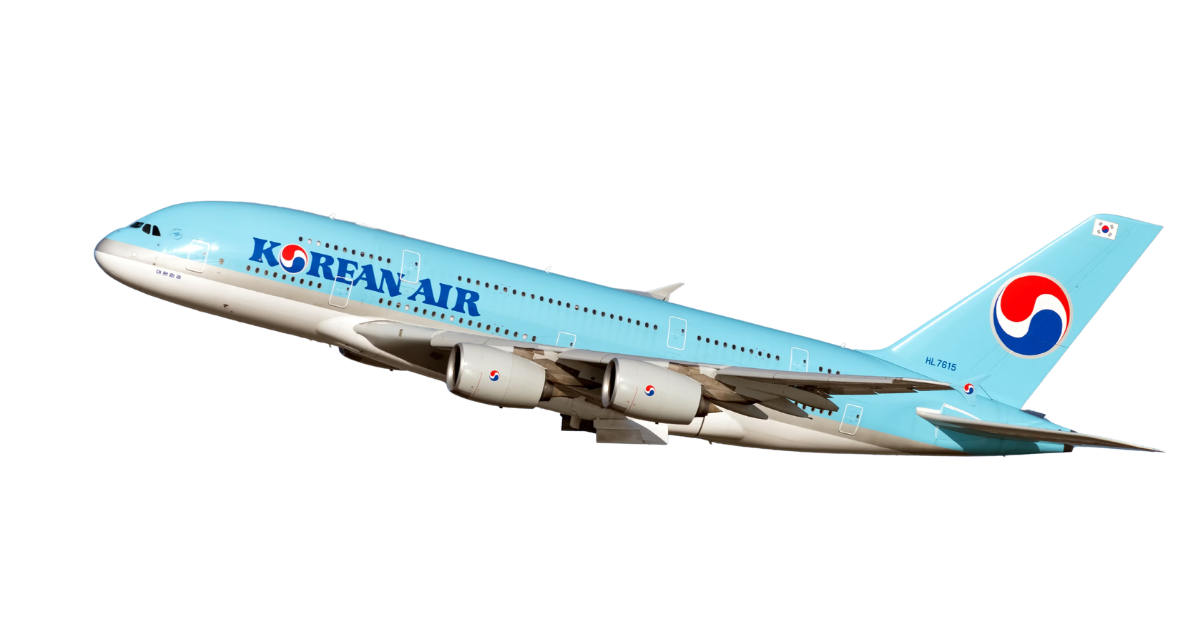
Long-haul flights can feel endless. Dry cabin air, stiff seats, that strange airplane coffee. Then there’s Korean Air—a carrier that tends to surprise people in quiet ways. Not loud. Not flashy. Just steady, polished, and oddly calming once onboard.
Overview of Korean Air
Korean Air is the flag carrier of South Korea and one of Asia’s most recognized full-service airlines. Founded in 1969, the airline has grown into a global network carrier connecting East and West with impressive consistency. Its IATA code is KE, and the airline code is KAL. The official website is www.koreanair.com, where flight bookings, seat selection, and travel updates are handled smoothly.
The airline is a founding member of the SkyTeam alliance, which opens up a wide network of partner destinations worldwide. That alliance matters more than people think—codeshare options, lounge access, smoother transfers. It all adds up.
Hub and Main Operations
The primary hub sits at Incheon International Airport (ICN) in Seoul. It’s modern, efficient, and rarely chaotic. Transfers are organized, signage is clear, and yes—there’s decent food even at odd hours.
Secondary operations run through Gimpo International Airport (GMP), mostly for regional and domestic flights. Incheon, though, is the beating heart. Massive international traffic flows through here daily, connecting North America, Europe, Southeast Asia, Australia, and beyond.
Destinations and Route Network
Korean Air operates flights to over 100 destinations across nearly 40 countries. North America is a strong focus—Los Angeles, New York, Atlanta, Dallas. Europe gets steady coverage too, including Paris, London, and Frankfurt. Southeast Asia routes are frequent and practical, linking cities like Bangkok, Singapore, and Manila.
The airline’s geographic position gives it an edge. Seoul sits in that sweet spot between continents, making it ideal for connecting long-haul travelers. Layovers are often reasonable, not those painful 11-hour waits that make travelers question life choices.
Fleet and Aircraft Details
The fleet blends modern wide-body aircraft with reliable narrow-body jets. Korean Air operates aircraft such as the Boeing 777, Boeing 787 Dreamliner, Airbus A330, Airbus A321neo, and even the Airbus A380 on selected high-demand routes.
The long-haul fleet focuses heavily on fuel-efficient aircraft like the 787 Dreamliner. Quieter cabins. Better humidity. Slightly less jet lag—or so frequent flyers claim. Fleet modernization continues steadily, aiming for efficiency and passenger comfort at the same time.
Cabin Classes Overview
Korean Air offers multiple cabin classes designed for different budgets and expectations. The structure is clear: Economy Class, Premium Economy (on select aircraft), Business Class—branded as Prestige Class—and First Class on certain long-haul routes.
No confusion. No complicated fare families that require decoding charts. Straightforward choices.
Economy Class Experience
Economy Class on Korean Air feels practical but thoughtful. Seat pitch is competitive, and the cabin layout rarely feels cramped compared to many global carriers. Meals are included on long-haul routes—yes, actual meals, not just a snack box.
Korean cuisine options appear often. Bibimbap is a favorite among regular travelers. It’s served properly, with sesame oil and side dishes, not a rushed version tossed together. Small detail. Big impact.
In-flight entertainment screens are responsive, with international movies, Korean dramas, music, and games. USB ports are standard on most aircraft. Wi-Fi availability varies by aircraft type.
Premium Economy
Premium Economy, available on selected aircraft, bridges the gap between Economy and Prestige Class. Wider seats. More legroom. Better recline. The extra space matters on 10+ hour flights—those final three hours can feel eternal otherwise.
Passengers receive upgraded meal service and priority boarding in many cases. It’s not luxury, but it removes the “ugh” factor from long-haul travel.
Prestige Class (Business Class)
Prestige Class delivers a fully lie-flat seat on long-haul routes. Direct aisle access on newer aircraft. Privacy panels. Soft lighting. It’s quiet in a way that makes work—or sleep—actually possible.
Dining steps up noticeably. Multi-course meals, Korean and Western options, and curated wine selections. Amenity kits include quality skincare products. Lounge access at Incheon is smooth, with shower facilities and solid buffet selections.
Business travelers often appreciate the consistency. Flights depart on time. Cabin service stays polished but not stiff.
First Class
First Class is available on limited routes and aircraft like the Airbus A380. Suites with closing doors on select configurations. Fine dining presentation. Dedicated check-in counters. It’s exclusive without feeling theatrical.
Not every route offers it, and availability changes depending on aircraft assignments. Still, when offered, it competes comfortably with other top-tier Asian carriers.
Flight Experience and Onboard Service
Service style leans professional and calm. Cabin crew members are attentive but rarely intrusive. Announcements are clear and polite. Cleanliness standards remain high across cabins.
There’s a certain rhythm onboard—organized boarding, steady meal timing, minimal chaos. Even during peak travel seasons, operations feel controlled. Delays happen, sure. Aviation is unpredictable. But communication is usually handled clearly.
Online Services and Digital Features
The official website, www.koreanair.com, allows booking management, online check-in, seat upgrades, and baggage tracking. The mobile app supports digital boarding passes and real-time flight notifications.
Frequent flyers benefit from the SKYPASS loyalty program. Miles can be redeemed for flights, upgrades, and partner services within the SkyTeam network. Earning miles on international routes adds up quickly—especially for business travelers crossing continents regularly.
Baggage and Policies
Checked baggage allowances depend on route and cabin class. Economy passengers on long-haul routes often receive at least one free checked bag, while Prestige and First Class receive more generous limits.
Carry-on policies follow international standards, with weight limits clearly defined. Excess baggage fees apply if limits are exceeded. Refund and change policies vary based on fare type—flexible tickets allow modifications with fewer penalties.
Why Travelers Choose Korean Air
Korean Air balances tradition and modern aviation without making noise about it. Strong hub location. Modern aircraft. Polished service. Competitive long-haul network.
Some airlines shout luxury. Others focus on budget. Korean Air quietly handles global travel with structure and consistency—sometimes that’s exactly what travelers want when crossing oceans at 35,000 feet.




Leave a Reply