

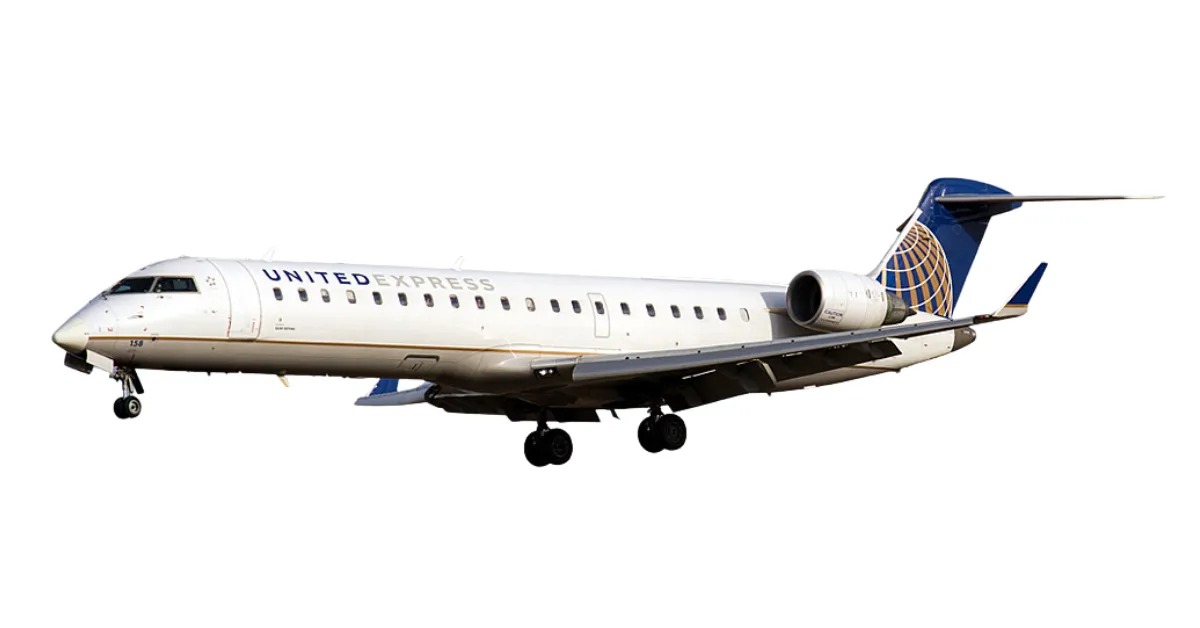
Regional airlines don’t always get the spotlight, and that’s fine. GoJet Airlines quietly handles the heavy lifting behind the scenes. Founded in 2004 and headquartered in Bridgeton, Missouri, GoJet operates as a regional carrier in the United States. It does not sell tickets under its own brand. Instead, it flies on behalf of major airlines through capacity purchase agreements.
Most travelers step onboard without realizing the flight is operated by GoJet. The aircraft may carry another airline’s logo, but the pilots, cabin crew, and daily operations are managed by GoJet itself. It’s one of those behind-the-curtain setups that keeps the domestic network moving smoothly.
Hub and Operations
GoJet primarily operates flights for United Airlines under the United Express brand. Its largest operational base is at Chicago O’Hare International Airport (ORD). Other key operating bases include Washington Dulles International Airport (IAD) and Newark Liberty International Airport (EWR). These hubs connect smaller regional cities to major domestic gateways.
Flights typically focus on short to medium-haul routes across the United States. Think tight schedules, quick turnarounds, and steady traffic between business-heavy cities and mid-sized communities. It’s a busy rhythm—land, unload, board, push back—repeat.
Cabin Classes
Because GoJet operates regional jets, cabin configurations are straightforward. There are generally two service classes onboard:
- Economy Class
- First Class (on select aircraft)
There is no dedicated Premium Economy cabin, and there is no traditional long-haul Business Class. These are regional routes designed for efficiency rather than luxury. Simple setup. Clear expectations.
Economy Class
Economy makes up the majority of seats onboard GoJet-operated aircraft. Seating is arranged in a 2-2 configuration on most regional jets, meaning no middle seats. That alone feels like a small win.
Seat pitch varies slightly depending on aircraft type, though space is typical for regional operations. Overhead bin space can be limited—larger carry-on bags are often gate-checked. It’s not unusual. It’s the regional jet life.
Inflight service usually includes complimentary beverages and light snacks, depending on flight length. Since these flights are operated under the mainline partner’s branding, onboard service standards follow that airline’s policies.
First Class
Select aircraft feature a small First Class cabin at the front. Wider seats, extra legroom, priority boarding—the usual perks. It’s not lie-flat luxury. Let’s not pretend. These are short hops, mostly under two hours.
Passengers seated here may receive upgraded snack options or enhanced beverage service based on the operating partner’s service guidelines. It’s comfortable. Quiet. A calmer front-row vibe.
Destinations and Route Network
GoJet’s route network is built around regional connectivity within the United States. Flights link smaller cities like Cedar Rapids, Tulsa, or Grand Rapids to major hubs such as Chicago, Newark, and Washington D.C.
The goal is connection. Feed traffic into larger domestic and international networks. Without regional operators like GoJet, many smaller communities would lose direct access to major airports. That ripple effect? Huge.
Routes can shift depending on airline partnerships and seasonal demand. Regional aviation is flexible like that—routes appear, pause, return. Constant motion.
Fleet and Aircraft Details
GoJet’s fleet primarily consists of Bombardier CRJ series aircraft. Over the years, the airline has operated models such as:
- Bombardier CRJ550
- Bombardier CRJ700
The CRJ550 is a unique configuration designed for United Express operations. It features 50 seats, including First Class and Economy Plus sections, offering a slightly more spacious layout compared to standard regional jets.
The CRJ700 typically seats around 65–70 passengers depending on configuration. These aircraft are built for short-haul efficiency—fast climb, steady cruise, quick descent. Reliable workhorses.
IATA Code and Airline Code
GoJet Airlines operates under:
- IATA Code: G7
- ICAO Code: GJS
- Callsign: LINDBERGH
Even though passengers often book through a partner airline, these codes identify GoJet in aviation systems and flight tracking platforms.
Flight Experience
Regional flights have their own personality. Boarding is usually quick. Taxi time can feel longer than the flight itself. Then suddenly—descent already?
Cabin interiors are practical and clean. Windows slightly smaller than mainline aircraft. Engine noise a bit louder toward the rear. It’s part of the experience.
Passengers earn miles and loyalty benefits through the mainline partner airline. Policies on baggage, check-in, seat selection, and upgrades follow the branding airline’s rules. That means travelers deal directly with United for booking changes or service issues.
Weather delays, tight connections, last-minute gate swaps—regional operations juggle it all. Sometimes smoothly. Sometimes… not so smooth. Been there.
Online Services
Since GoJet operates as a regional partner, online services such as booking, check-in, mobile boarding passes, and flight status tracking are handled through the partner airline’s website and mobile app.
Passengers flying on United Express, for example, manage reservations through United’s official digital platforms. Seat selection, baggage payments, and loyalty account access are completed there.
Official Website
GoJet Airlines maintains a corporate website at:
The site focuses on company information, pilot recruitment, career opportunities, and corporate updates. Ticket purchases are not available directly through GoJet.
Policies and Travel Notes
Travel policies—including baggage rules, refunds, cancellations, and special assistance—depend on the marketing airline under which the flight is sold. Always check the operating carrier details on the ticket confirmation.
Gate-checked baggage is common on regional jets due to limited overhead space. Personal items fit easily under the seat, though larger roller bags may travel in the cargo hold for short segments.
Short flight. Quick climb. A blink-and-you-miss-it cruise. That’s the rhythm. Regional aviation doesn’t aim for glamour. It aims for connection—and GoJet plays that role quietly, day after day, stitching smaller cities into the larger network.




Leave a Reply