

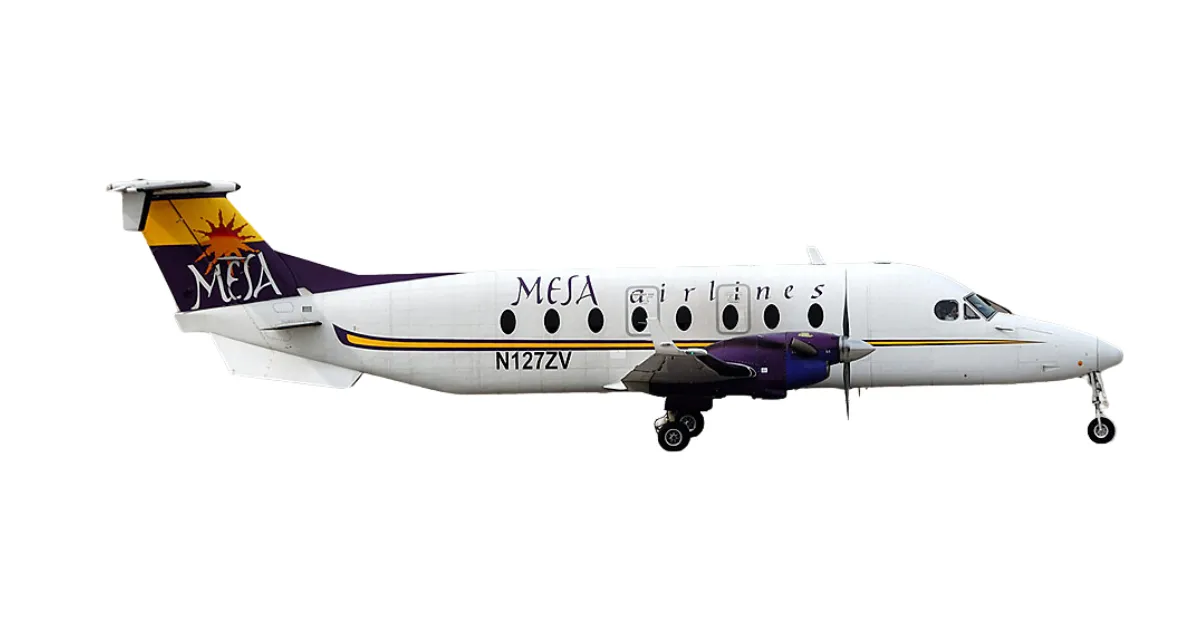
Overview of Mesa Airlines
Mesa Airlines is not the kind of airline splashed across glossy travel magazines. It works behind the scenes, operating regional flights for major U.S. carriers under capacity purchase agreements. Founded in 1980 and headquartered in Phoenix, Arizona, the airline has built its reputation on short-haul connectivity—those essential links that move passengers from smaller cities to massive hub airports.
The airline primarily flies on behalf of United Airlines. Most travelers actually board a United Express flight without even realizing Mesa operates the aircraft. Quiet presence. Steady operation. No drama.
Hubs and Operations
Mesa Airlines runs its main operations from large hub airports that connect regional routes to nationwide networks. Its primary operational base aligns with United’s hubs, especially:
- George Bush Intercontinental Airport (IAH)
- Washington Dulles International Airport (IAD)
- Denver International Airport (DEN)
These airports act as nerve centers. Regional aircraft arrive, unload, refuel, reload, and head back out—sometimes within the hour. Tight schedules. Efficient ground turns. Regional aviation is all about timing, and Mesa’s operations are built around precision rather than flash.
Cabin Classes
Mesa Airlines operates regional jets configured primarily in two-class layouts. No sprawling luxury cabins. No first-class suites. Just what most short-haul travelers need.
Economy Class
Economy makes up the majority of seats. Standard pitch. Straightforward layout. Expect a practical setup designed for short to medium flights, usually between one and three hours. Seats are arranged in a 2-2 configuration on Embraer aircraft—no middle seat battles, which honestly feels like a small victory.
In-flight service depends on route length. Short hops? Basic beverage service. Longer routes may include light snacks. Nothing extravagant, but no one boards a regional jet expecting fine dining anyway.
Premium Economy
Mesa Airlines does not operate a separate premium economy cabin on its regional fleet. Seat selection options may offer extra-legroom rows depending on the operating partner’s configuration, but a distinct premium cabin category does not exist across its aircraft.
Business Class
Select aircraft operate with a small first-class or business-style cabin under the United Express brand. Wider seats. More legroom. Complimentary drinks. Early boarding. The experience reflects United’s service standards rather than a standalone Mesa product.
It’s regional business class—comfortable, not extravagant. Good for a quick morning flight when a little breathing space matters.
Destinations and Route Network
Mesa Airlines connects smaller U.S. cities to major hubs. The route network changes based on United’s scheduling needs, but typical destinations include regional markets across the Midwest, Southwest, East Coast, and Mountain regions.
Think smaller cities feeding into big airports like Houston, Denver, and Washington D.C. It’s the connective tissue of the air travel system. Without airlines like Mesa, passengers from secondary markets would face long drives or awkward connections. Not ideal.
Fleet and Aircraft Details
Mesa Airlines operates a streamlined fleet built around efficiency and fuel savings.
- Embraer E175
The Embraer 175 forms the backbone of Mesa’s fleet. This aircraft typically seats around 70–76 passengers depending on configuration. Known for reliability and quieter cabins compared to older regional jets, it remains a favorite in the U.S. regional market.
Gone are the days of 50-seat regional jets dominating short routes. The E175 offers better economics and passenger comfort—a noticeable improvement.
IATA Code and Airline Code
Mesa Airlines operates under the following airline identifiers:
- IATA Code: YV
- ICAO Code: ASH
- Callsign: Air Shuttle
These codes identify Mesa in global aviation systems, even though flights are branded under United Express.
Flight Experience
Regional flying has its quirks. Boarding through jet bridges one day, walking across the tarmac the next—depends on the airport. The Embraer cabin feels narrow but not cramped. Overhead bin space works fine for standard carry-ons, though roller bags sometimes get gate-checked during full flights.
Takeoff feels quick. Regional jets climb fast, reach cruising altitude, and before long the descent begins. Blink and the flight is halfway done.
Cabin crews maintain professional service standards aligned with United’s policies. Friendly interactions vary by crew (as with any airline), but operations focus on punctuality and safety first.
Online Services
Since Mesa operates flights under United Express branding, passengers manage bookings directly through United Airlines.
- Online check-in
- Mobile boarding passes
- Seat selection
- Baggage tracking
- Flight status updates
Digital tools remain streamlined and easy to navigate. Real-time notifications help reduce airport confusion—especially during tight regional connections, which, let’s be honest, can feel rushed.
Official Website
Mesa Airlines maintains its corporate website at:
The site focuses on corporate information, investor updates, fleet data, and career opportunities rather than direct passenger bookings. Ticketing and reservations occur through United’s platform.
Policies and Travel Information
Passenger policies such as baggage rules, cancellations, refunds, and loyalty benefits follow United Airlines’ guidelines when flying on a United Express flight operated by Mesa. This includes MileagePlus earning eligibility and fare rules.
Operational reliability matters deeply in regional aviation. Weather delays, crew rotations, and tight aircraft utilization can impact schedules. That’s the reality of short-haul networks. Even so, Mesa Airlines continues to function as a critical piece of the U.S. airline ecosystem—quietly moving thousands of passengers every day.




Leave a Reply