

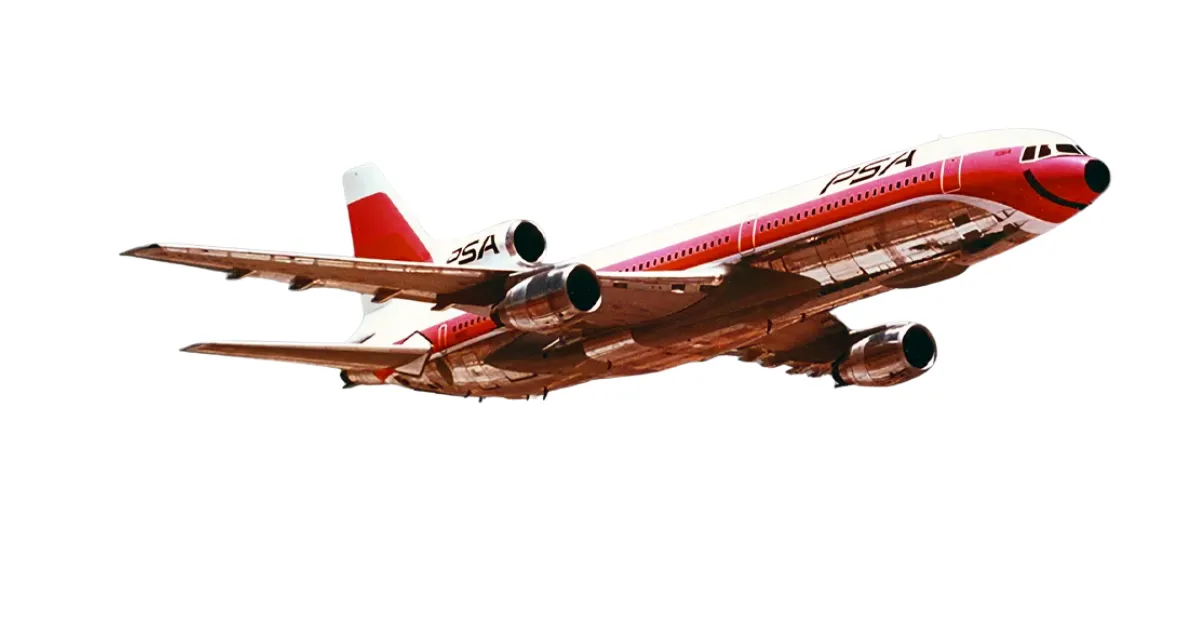
PSA Airlines sits quietly in the background of American aviation, yet millions of passengers board its aircraft every year without even realizing it. The airline operates as a regional carrier under the American Eagle brand, handling shorter domestic routes that connect smaller cities to major hubs. Not flashy, not loud—just consistent flying. That’s the role. Regional airlines rarely get fanfare, but they keep the network stitched together, airport by airport, gate by gate.
Founded in 1979 and headquartered in Dayton, Ohio, PSA Airlines steadily grew into a key feeder carrier for American Airlines. The mission is simple: reliable regional connectivity, tight scheduling, and operational efficiency. Travelers often book through American Airlines and only later notice PSA listed as the operating carrier. Happens all the time.
Hubs and Operations
Operations revolve around several major American Airlines hubs, particularly Charlotte Douglas International Airport, Philadelphia International Airport, and Washington National Airport. Aircraft move in fast cycles—arrive, unload, reload, depart. No long pauses. Regional flying thrives on quick turnaround rhythms, and PSA’s system reflects that high-tempo environment.
These hubs allow passengers from smaller regional airports to link into international and long-haul flights. A short PSA segment might be the first step before a cross-country or overseas journey, and that coordination demands tight scheduling discipline. Delays ripple quickly if timing slips—something operations teams constantly battle.
Cabin Classes
Cabin offerings are straightforward. PSA Airlines aircraft are configured primarily with a single main cabin layout, matching the expectations of regional jet travel. Some aircraft provide a small number of extra-legroom seats marketed through the American Airlines booking system. Premium Economy and Business Class, in the traditional sense, are not separate onboard cabins due to aircraft size limits.
Economy Class
Economy seating forms the core of the onboard experience. Seats are arranged in a 2-2 layout on regional jets, meaning no middle seats—a small comfort passengers quietly appreciate. Seat pitch varies slightly depending on aircraft type, though most flights fall within the standard regional configuration range. Short flights make the compact layout manageable, even if legroom sometimes feels tight on longer regional sectors.
Extra Legroom Seating
Certain seats offer additional spacing and early boarding privileges when booked through the parent airline’s reservation system. Travelers who frequently connect through hubs often choose these seats simply to stretch a little before the next flight. Not luxury—just breathing room.
Destinations and Route Network
The route network focuses entirely on domestic United States destinations, linking mid-sized and smaller airports with large connecting hubs. Cities across the Midwest, Southeast, and Northeast form the backbone of the network. Routes shift from season to season depending on travel demand, airport slot availability, and broader airline scheduling strategies.
Regional airlines operate in a constant state of adjustment. A route that runs twice daily today might scale up or down next quarter depending on passenger volume. That flexibility allows PSA Airlines to support the larger network strategy of its parent airline while maintaining local connectivity for communities that rely heavily on regional service.
Fleet and Aircraft Details
PSA Airlines operates an all-jet fleet composed mainly of Bombardier CRJ-series regional aircraft, including the CRJ700 and CRJ900. These aircraft are built for short- to medium-haul flights, offering efficient fuel consumption and strong performance at smaller airports with shorter runways.
The airline’s IATA code is “OH,” while the ICAO airline code is “JIA.” Aircraft interiors are configured for quick passenger boarding and deplaning—narrow aisles, overhead bins sized for regional travel, and seating layouts designed for high-frequency operations. Not glamorous, but dependable.
Flight Experience
The onboard experience mirrors the expectations of regional flying: short flights, limited onboard service, and streamlined procedures. Complimentary beverages are often provided on many routes, with snack service depending on flight duration and operating conditions. Entertainment systems are generally not installed on most regional jets, though passengers may access streaming entertainment through the parent airline’s digital platforms when available.
Boarding tends to move quickly—sometimes surprisingly fast. Smaller aircraft mean fewer passengers, fewer delays at the gate, and quicker taxi-out times. On the flip side, overhead bin space can fill up rapidly, leading to occasional last-minute gate-checked bags. Travelers who have flown regional routes before know the routine well.
Online Services
Booking, check-in, seat selection, and flight updates are handled primarily through the American Airlines website and mobile app. Passengers receive boarding passes, upgrade options, and notifications through the same digital ecosystem used across the broader network. Real-time alerts about gate changes or delays help travelers manage tight connections—something especially important when flights are scheduled back-to-back across multiple hubs.
Official Website
Information related to operations, careers, and corporate details can be found through the airline’s official corporate website, while customer reservations and ticketing services are processed through the American Airlines booking platform. This dual-platform structure reflects PSA Airlines’ role as an operating carrier within a larger airline system.




Leave a Reply