

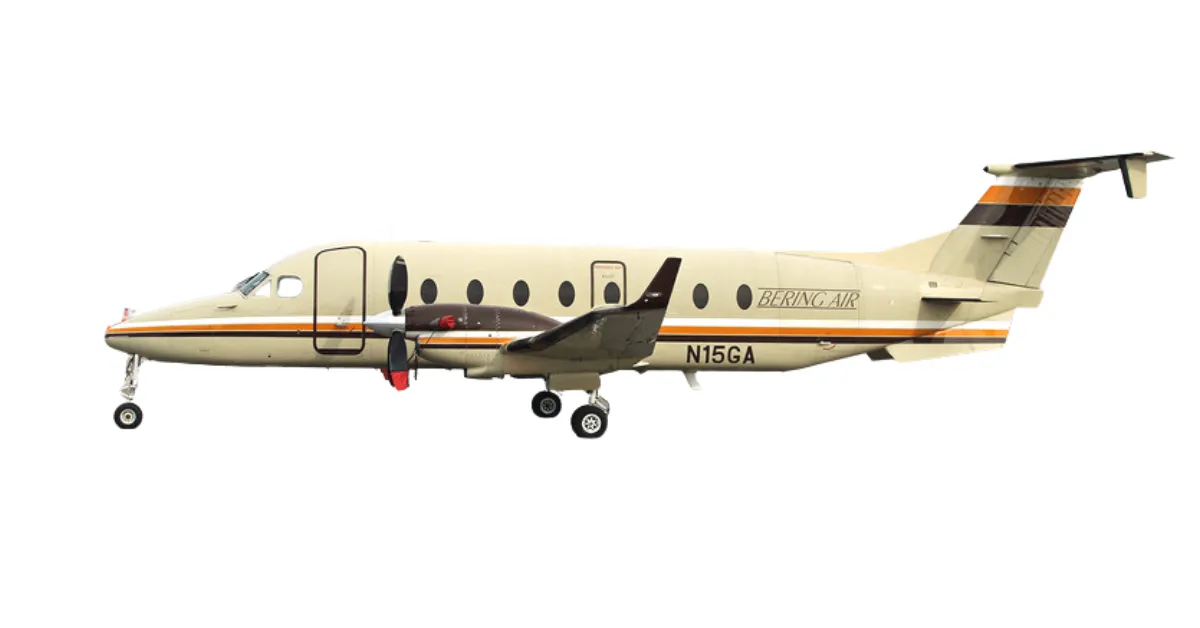
Remote Alaska travel is a different beast. Weather flips fast, runways are short, and roads simply stop existing. That’s where Bering Air steps in. Founded in 1979 and based in Nome, Alaska, this regional carrier connects small communities that depend on air service like it’s a lifeline—because it often is. The airline operates scheduled passenger flights, charter services, and cargo runs across western Alaska. No frills, no flashy slogans. Just practical flying in tough conditions.
Bering Air’s IATA code is 8E, and its ICAO airline code is BRG. The carrier is known for reliability in remote terrain—snow-packed airstrips, gravel runways, winds that test patience. It’s not luxury travel. It’s essential travel.
Hub and Operations
The primary hub is Nome Airport (OME), which acts as the heartbeat of operations. From Nome, flights fan out to dozens of smaller communities across western Alaska. Kotzebue and Unalakleet also serve as important operational points. Think short hops. Tight schedules. Aircraft in and out quickly before the next shift in weather rolls in.
Operations focus heavily on regional connectivity—villages where commercial jet service simply isn’t possible. Medical travel, business trips, family visits, supply runs. It’s everyday life in the Arctic, moved by propellers instead of highways.
Destinations and Route Network
Bering Air serves more than 30 destinations throughout western Alaska. Key destinations include Nome, Kotzebue, Unalakleet, Shishmaref, Gambell, Savoonga, and several other rural communities scattered across the Seward Peninsula and beyond.
Routes are short-haul by nature. Some flights last under an hour. Others hop between villages in a chain, dropping off passengers and cargo along the way. No coast-to-coast marathons here. Just regional threads stitching together communities that would otherwise be isolated.
Fleet and Aircraft Details
The fleet leans heavily on rugged, reliable aircraft built for demanding terrain. Expect models like the Cessna Caravan 208, Beechcraft 1900, and smaller utility aircraft suited for short and unimproved runways.
The Cessna 208 Caravan is a workhorse—single-engine turboprop, dependable, able to handle gravel strips without drama. The Beechcraft 1900 adds capacity with twin engines and room for up to 19 passengers. Practical machines. Built to endure cold starts and icy mornings.
Fleet size shifts slightly over time, but the focus stays consistent: durable aircraft that can land where larger jets simply can’t.
Cabin Classes
Cabin structure is refreshingly straightforward. There are no elaborate class tiers with sliding doors and champagne carts. Bering Air primarily operates an all-economy layout due to aircraft size and mission focus.
Economy Class
Economy is the standard—and the only—class available on most flights. Seating is compact but functional. Legroom varies by aircraft type, though expectations should match the regional nature of the fleet. Overhead bins are limited, so soft bags tend to work best. Boarding is usually quick. No complicated zones.
Premium Economy
A separate premium economy section is not part of the standard configuration. On these routes, the goal is transport, not tiered luxury. The upside? Everyone boards, everyone flies—no hierarchy to navigate.
Business Class
Business class cabins are not offered on scheduled services. Charter flights, however, can be tailored to client needs. Corporate groups or specialized charters may arrange configurations that suit specific requirements, though traditional business-class seating isn’t the focus.
Flight Experience
Expect a hands-on, grounded experience—literally. Boarding often happens directly on the tarmac. The hum of turboprops replaces jet engines. Views from the window? Wild tundra, frozen coastlines, winding rivers that look painted onto the earth.
In-flight service is minimal. No elaborate meal trays or streaming portals. Flights are short enough that snacks aren’t always necessary. The emphasis stays on safety and punctuality, especially in regions where daylight hours shrink dramatically during winter.
Weather can influence schedules. Delays happen. That’s Alaska. Pilots are trained for Arctic conditions, and safety decisions come first. Always.
Policies and Baggage
Baggage allowances are structured around aircraft limitations. Weight restrictions matter more on small planes—every pound counts. Passengers are advised to check specific limits before travel, especially when carrying bulky gear. Sporting equipment and freight may require advance coordination.
Charter services allow more flexibility depending on aircraft type and load planning. Cargo operations are a significant part of the airline’s activity, supporting local supply chains in remote communities.
Online Services and Booking
Tickets can be booked through the official website at www.beringair.com. The site provides flight schedules, booking options, charter information, and contact details. Online check-in options may vary depending on route and aircraft, so early airport arrival is usually recommended.
Customer support is available for schedule updates, cargo inquiries, and charter planning. It’s a regional airline—communication feels direct and practical rather than corporate and scripted.
Airline Codes and Key Facts
- Airline Name: Bering Air
- Founded: 1979
- Headquarters: Nome, Alaska, USA
- IATA Code: 8E
- ICAO Code: BRG
- Main Hub: Nome Airport (OME)
- Official Website: www.beringair.com
Why It Matters
For many Alaskan communities, Bering Air isn’t just another airline—it’s infrastructure. Groceries, medical supplies, school travel, urgent appointments. The flights may be short, the cabins simple, the winds occasionally stubborn—but the connection is real.
No glossy marketing campaign. No airport lounges with mood lighting. Just propellers turning against a pale Arctic sky, linking towns that depend on that sound more than most travelers ever realize.




Leave a Reply