

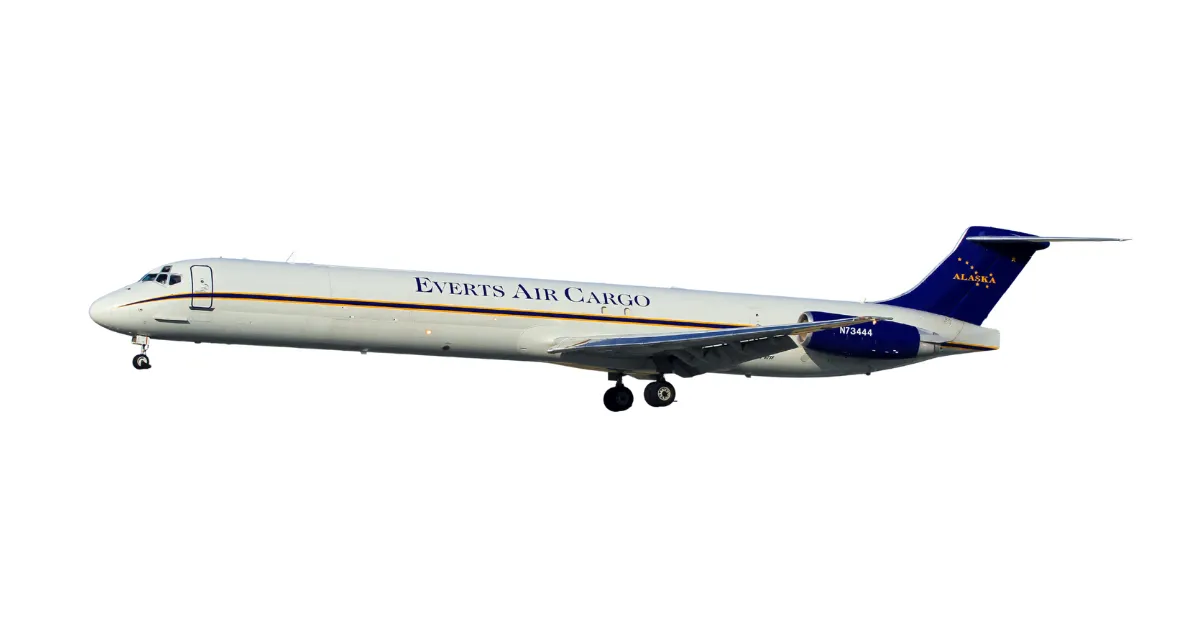
Everts Air is not the typical airline with shiny airport lounges and fancy boarding music. This Alaska-based carrier lives in a rugged world—snowstorms, remote villages, gravel runways, cargo strapped tight. Founded in 1995 and headquartered in Fairbanks, the airline grew from a long legacy of bush aviation. The focus is simple: keep people, freight, and essential supplies moving across some of the harshest terrain in the United States.
Passenger services exist, though cargo remains the backbone. Medical deliveries, groceries, heavy equipment—stuff that communities depend on daily. The airline’s identity feels practical and grounded. No flash. Just reliability.
Hub and Operations
Primary operations revolve around Fairbanks International Airport, which acts as the airline’s nerve center. Secondary activity runs through Anchorage and other Alaskan regional airports. Flights often serve isolated destinations unreachable by road—tiny settlements surrounded by snowfields and mountains.
Operations lean heavily on charter flights, scheduled regional passenger routes, and cargo logistics. Weather plays a constant role; delays happen, adjustments happen, pilots improvise (safely). Alaska aviation is a different game altogether.
Cabin Classes
Luxury cabins aren’t the selling point here. Everts Air keeps things straightforward with a single cabin layout on most passenger aircraft. Seats are functional, spacing is reasonable, and expectations stay grounded. Travelers often choose the airline for necessity rather than pampering.
Economy Class
Economy class is essentially the standard experience across passenger aircraft. Seats are simple, durable, and comfortable enough for short regional hops. Overhead storage exists but remains limited on smaller aircraft—packing light helps.
Premium Economy
Premium economy isn’t part of the standard offering. Some charter aircraft may provide slightly upgraded seating depending on configuration, though nothing marketed as a formal premium cabin.
Business Class
Business class also isn’t available in the conventional airline sense. Charter clients can arrange customized seating setups, but scheduled services remain single-class. Practical aviation—no frills attached.
Destination and Route Network
The route network focuses primarily on Alaska. Destinations include Fairbanks, Anchorage, and several remote communities such as Bettles, Fort Yukon, Galena, and Unalakleet. Seasonal charter services may extend to other regional locations depending on demand.
Cargo routes often outnumber passenger flights, connecting industrial sites, mining operations, and villages where daily air service is essential. The network feels patchwork—yet intentional. Every route solves a real logistical problem.
Fleet and Aircraft Details
The fleet reflects the airline’s mission. Rugged, proven aircraft dominate operations. These include:
- Douglas DC-6 (cargo conversion)
- Curtiss C-46 Commando
- Boeing 727 freighter
- Pilatus PC-12
- Beechcraft 1900
Yes, some vintage aircraft still fly—maintained meticulously. These planes handle short runways, heavy loads, and unpredictable weather. Not glamorous, but tough as nails.
IATA Code and Airline Code
Everts Air operates under:
- IATA Code: 5V
- ICAO Code: VTS
- Callsign: EVERTS
Flight Experience
Flying with Everts Air feels different from mainstream airlines. Boarding is relaxed, sometimes informal. Aircraft size varies—smaller planes mean a closer connection to the journey itself. Passengers might notice cargo loaded alongside luggage, a reminder of the airline’s dual purpose.
In-flight service is minimal. No elaborate meal carts or entertainment screens. Instead, expect scenic views of Alaska’s wilderness—glaciers, rivers, endless forests. Nature becomes the entertainment. Honestly, that beats most seatback screens anyway.
Online Services
Online features are straightforward. The airline website provides booking information, charter requests, cargo tracking details, and contact support. Digital check-in options remain limited compared to large commercial carriers, and customer interactions often happen via phone or email.
Charter inquiries form a significant portion of online engagement. Businesses and government agencies frequently coordinate transport for specialized missions.
Policies and Travel Essentials
Baggage policies vary depending on aircraft size and route. Smaller planes come with stricter weight limits—something travelers occasionally grumble about, yet understandable given operational realities. Dangerous goods regulations align with standard aviation safety guidelines, especially important due to cargo operations.
Charter policies offer flexibility. Clients can customize schedules, cargo capacity, and routing, making Everts Air popular among industrial and emergency response sectors.
Official Website
The official website is:
www.evertsair.com
It contains booking details, fleet information, cargo services, charter forms, and operational updates. The design feels functional rather than flashy—kind of fitting, honestly.




Leave a Reply