

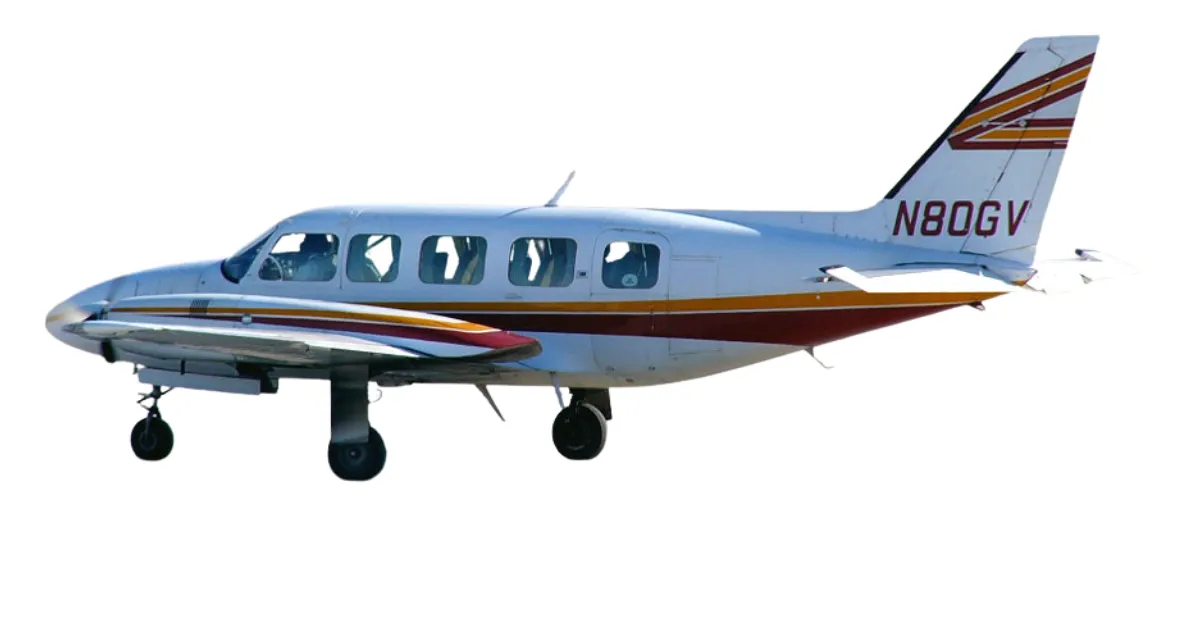
Small airline. Big terrain. That’s the vibe with Gem Air. Based in the wide-open stretches of the American West, this regional carrier focuses on short-haul routes where larger airlines rarely bother to go. The airline operates as a commuter and charter service, connecting rural communities to larger hubs. Not flashy. Not oversized. Just practical flying that gets the job done.
Founded in 1993, Gem Air has built its reputation around reliability in places where weather can turn grumpy fast and runways aren’t always massive. The airline operates under the IATA code GEM and the ICAO airline code GMA. It’s not a household name—and that’s kind of the point. This is regional aviation stripped down to its essentials.
Hub and Operations
Gem Air is headquartered in Salmon, Idaho, with operational bases in Salmon (SMN) and Pocatello, Idaho (PIH). Flights are tailored for Essential Air Service (EAS) contracts and private charters. That means the airline plays a quiet but important role in keeping smaller cities connected to the national air network.
Operations are lean. Aircraft are turboprops, ideal for short distances and smaller regional airports. No massive terminals. No endless security lanes. Just local airports where things move at a human pace—sometimes refreshingly so.
Cabin Classes
Economy Class
Gem Air operates primarily with a single-class cabin—standard economy seating. These aircraft are small, so there’s no dramatic cabin separation. Seats are arranged in simple layouts, usually 1-2 or 1-1 configurations depending on the aircraft type. Legroom is fair for short hops. Flights are typically under an hour or two, so the no-frills setup works fine.
No elaborate meal carts rolling down the aisle. No entertainment screens blinking in every seatback. It’s short, straightforward travel. Bring a book. Or just look out the window—Idaho landscapes don’t disappoint.
Premium Economy
There is no separate premium economy cabin on Gem Air flights. Aircraft size and route length make that unnecessary. Upgrades, if available, are usually limited to seat preferences or charter arrangements rather than distinct cabin categories.
Business Class
Business class in the traditional sense doesn’t exist on scheduled Gem Air flights. For travelers seeking extra privacy or flexibility, charter services provide a more premium-style experience. Charter flights offer dedicated aircraft use, tailored departure times, and a more personal setting—especially useful for corporate groups or time-sensitive travel.
Destinations and Route Network
Gem Air primarily serves smaller communities in Idaho and neighboring states under Essential Air Service agreements. Destinations have included cities like Salmon, Pocatello, and other regional airports connecting to larger hubs such as Salt Lake City. Routes can change depending on federal contracts and demand.
This isn’t a massive route map with dozens of cities. It’s targeted. Focused. Designed for connectivity where highways stretch for miles and alternatives are limited. When winter weather hits the mountains, flights matter.
Fleet and Aircraft Details
Gem Air operates a fleet of turboprop aircraft suited for regional flying. Aircraft types have included the Beechcraft 1900D and similar commuter aircraft. These planes typically seat around 9 to 19 passengers depending on configuration.
Turboprops might not sound glamorous, but for short sectors and smaller runways, they’re practical workhorses. Reliable in tough conditions. Efficient on fuel. Capable of handling routes where jets would struggle.
The fleet size remains small, consistent with the airline’s regional mission. Maintenance standards follow FAA regulations, and aircraft are operated by trained crews familiar with the terrain—mountain flying is no joke.
Flight Experience
Expect a personal feel. Smaller passenger counts mean boarding is quick—sometimes just a handful of travelers stepping across the tarmac. No giant jet bridges. Bags are handled close by. Pilots might even greet passengers directly. That kind of thing still happens here.
Cabin service is minimal. Short flights don’t require elaborate refreshments. Safety briefings are straightforward. The atmosphere? Calm, local, unpretentious. For frequent flyers used to sprawling airports and packed cabins, the simplicity can feel oddly refreshing.
Weather delays can happen—mountain regions are unpredictable. But crews are experienced in handling regional conditions. Communication tends to be direct and clear, which matters when schedules shift.
Online Services and Booking
Booking options may vary depending on route and contract structure. Some Essential Air Service routes are bookable through larger partner systems or regional booking platforms. Charter inquiries are handled directly through the airline.
Online check-in options may be limited compared to major carriers. Smaller airports often use traditional check-in counters rather than fully automated kiosks. It’s old-school, but functional.
Baggage Policies
Baggage allowances depend on route agreements and aircraft size. Because these are smaller planes, weight limits are taken seriously. Carry-on space can be limited, and oversized items may need special handling. Always confirm baggage rules before departure—especially for outdoor gear common in Idaho travel.
Official Website
For flight schedules, charter services, and updated travel policies, the official website is:
https://www.gemairflights.com
Key Details at a Glance
- Airline Name: Gem Air
- Founded: 1993
- Headquarters: Salmon, Idaho, USA
- IATA Code: GEM
- ICAO Code: GMA
- Primary Aircraft: Beechcraft 1900D (and similar commuter turboprops)
- Service Type: Regional commuter and charter
Gem Air doesn’t try to compete with giant airlines. It serves communities that might otherwise be cut off from regular air access. Short flights. Close connections. Real regional aviation—sometimes rough around the edges, but dependable where it counts




Leave a Reply