

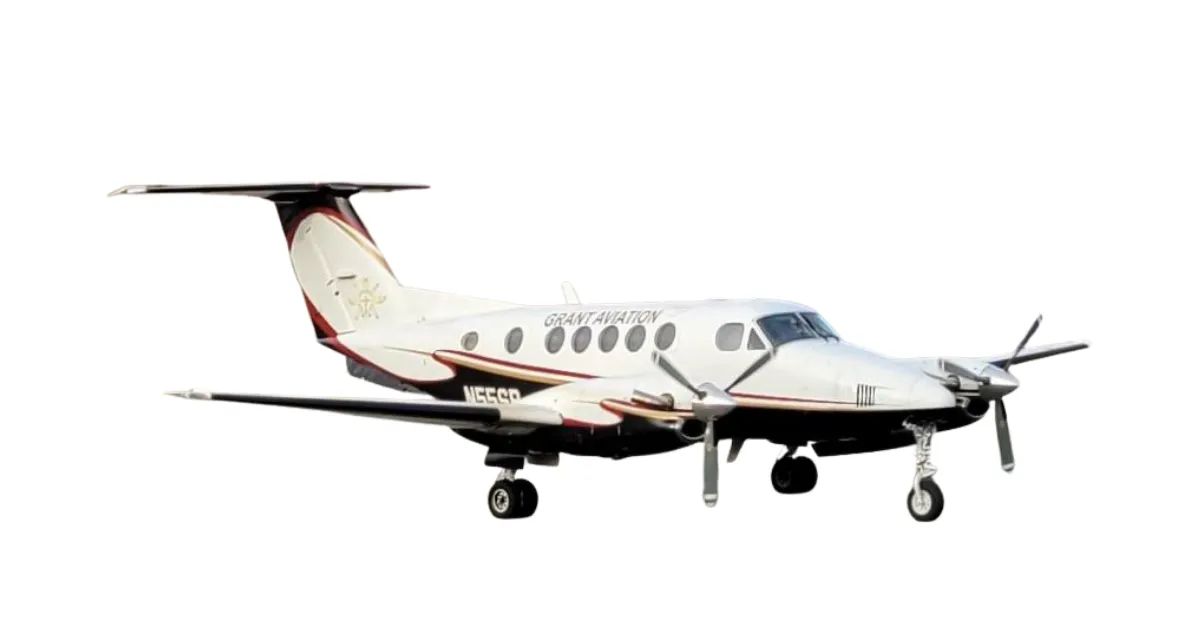
Grant Aviation is one of those airlines that doesn’t chase headlines or flashy ads. It quietly moves people across Alaska—villages, regional towns, places where roads just don’t exist. Founded in 1971, the airline has built a solid reputation for dependable regional air service. In a state where weather can flip moods in minutes and distances feel endless, reliability matters. A lot.
This is not a massive international carrier. It’s a regional lifeline. Small aircraft. Tight schedules. Real communities depending on those flights for groceries, medical visits, and family connections. The airline operates under the IATA code GV and ICAO code GUN. Simple identifiers, but important if searching for schedules or tracking flights.
Hub and Operations
The primary operational base is Anchorage, Alaska, with strong activity in Emmonak and other regional points. Flights are built around practical routes rather than tourist-heavy corridors. Operations focus on western and southwestern Alaska—remote towns scattered along the Yukon-Kuskokwim Delta and beyond.
Flying in Alaska isn’t like flying between big cities in the lower 48. Runways can be short. Weather shifts fast—fog rolling in without warning, crosswinds that test even seasoned crews. Grant Aviation’s pilots are trained specifically for this environment. It’s bush flying with structure. Organized, regulated, but still rugged.
Destinations and Route Network
Grant Aviation serves more than a dozen Alaskan communities. Key destinations include:
- Anchorage
- Bethel
- Emmonak
- Hooper Bay
- Chevak
- Scammon Bay
- St. Mary’s
- Nunam Iqua
- Mountain Village
- Pilot Station
Routes are practical, sometimes direct, sometimes hopping between villages. It’s less about luxury routing and more about making sure communities stay connected. Some flights feel almost personal—just a handful of passengers, cargo stacked carefully behind. Real Alaska stuff.
Fleet and Aircraft Details
The fleet is built for short runways and regional hops. Aircraft types typically include:
- Cessna 208B Grand Caravan
- Piper PA-31 Navajo
- Beechcraft 1900C
These aircraft are chosen for durability and performance in rough weather conditions. The Cessna Caravan, for example, is a workhorse—single-engine turboprop, reliable, designed for regional operations. Not glamorous. Effective.
The Beechcraft 1900C offers twin-engine capability and slightly more passenger capacity. Useful on busier village routes. Every aircraft in the fleet is configured to balance passengers and essential cargo. In Alaska, cargo is not optional—it’s survival logistics.
Cabin Classes
Economy Class
Grant Aviation operates primarily with a single-class configuration—economy seating. No assigned seats. No cabin partitions. Just straightforward, functional layouts. Seats are compact but adequate for short flights, which usually range from 30 minutes to just over an hour.
There’s no inflight entertainment system. No streaming portal. No snack cart rolling down the aisle. And honestly, on a 45-minute hop through snowy terrain, that’s rarely a deal-breaker. The window views alone can steal attention.
Premium Economy
Premium economy is not part of the standard configuration. Aircraft size limits flexibility. The focus stays on accessibility and capacity rather than tiered seating options.
Business Class
Business class service is not offered. These are small commuter aircraft where maximizing usable space matters more than segmenting cabins. Travelers looking for lounge access or lie-flat seats won’t find that here—this is regional transport at its core.
Flight Experience
The flight experience feels practical. Boarding is often done directly from the tarmac. Luggage handling is careful—space is limited, weight matters, balance matters. On some routes, passengers may even see cargo being loaded manually. It’s hands-on aviation.
Cabins can be a little loud—propeller aircraft tend to hum, sometimes roar. Ear protection isn’t a bad idea for sensitive travelers. Still, flights are short, and crews maintain a calm, professional presence. Safety briefings are clear. No drama. Just business.
Weather delays do happen. It’s Alaska. Low visibility and strong winds aren’t rare events. Schedules can shift, sometimes at the last minute. Travelers flying these routes often expect that unpredictability—it’s part of life up north.
Baggage Policies
Baggage allowances can vary by route and aircraft type. Because of weight and balance limitations, strict adherence to limits is important. Carry-on space is minimal. Larger bags are checked and carefully distributed.
It’s wise to confirm baggage specifics during booking, especially for cargo-heavy routes. Overweight baggage fees may apply if limits are exceeded. Planning ahead saves headaches. Ugh, nothing worse than reshuffling bags at the counter.
Online Services and Booking
Grant Aviation offers online booking through its official website. Flight schedules, fare options, and route details are available there. The interface is functional rather than flashy—clear enough, straightforward. Travelers can manage reservations, check flight status, and review policies online.
Because many routes serve smaller communities, direct phone support is also important. Local agents often assist with booking adjustments or cargo arrangements. It feels less automated than major airlines. More human.
Official Website
The official website for Grant Aviation is:
https://www.flygrant.com
The site provides route maps, fare information, travel policies, and contact details for various Alaskan stations. It’s the most reliable source for updated schedule changes and service notices.
Operational Strengths
Grant Aviation thrives in places most airlines don’t even attempt to serve. Short gravel runways. Icy mornings. Communities where air travel isn’t optional—it’s essential. That kind of operating environment shapes an airline differently.
No frills. No unnecessary polish. Just consistent regional service built around Alaskan realities. For travelers heading into remote western Alaska, that practicality isn’t a drawback. It’s reassurance.




Leave a Reply