

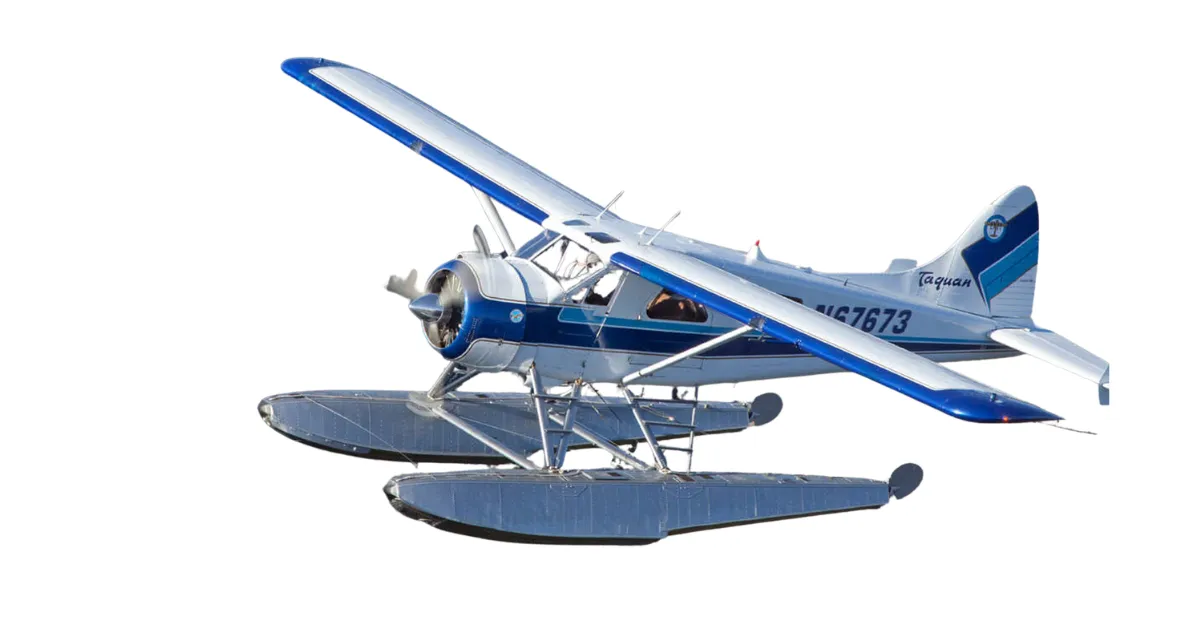
Taquan Air isn’t your typical big-airport, shiny-terminal airline. It’s small. Regional. Very Alaska. Founded in 1977, this carrier has built its name around connecting remote communities across Southeast Alaska—places where roads simply don’t exist. No highways. Just water, forest, mountains, and the occasional floatplane slicing across a misty harbor.
Headquartered in Ketchikan, the airline plays a quiet but vital role in local transportation. It doesn’t chase glamour routes or crowded hubs. It focuses on essential air links—mail, cargo, daily passengers, fishermen heading out early, families visiting relatives. Real-life flying.
Hub and Operations
Primary operations run out of Ketchikan International Airport. From here, aircraft depart to nearby island communities scattered across the Inside Passage. Weather dictates everything—fog rolls in, schedules shift. That’s Alaska flying. Passengers learn patience quickly.
The airline operates both scheduled passenger flights and charter services. Medical transfers. Sightseeing flights. Private charters. Cargo drops. It’s a flexible setup, built for rugged terrain rather than rigid timetables. Some days are smooth. Some days… not so much.
IATA Code and Airline Code
Taquan Air’s IATA code is K3. The ICAO code is TQN. These codes are mainly used for booking systems and flight tracking—simple identifiers, nothing flashy.
Fleet and Aircraft Details
The fleet is small but perfectly suited for Southeast Alaska’s geography. Aircraft include the De Havilland DHC-2 Beaver and the DHC-3 Otter. Tough little workhorses. Float-equipped. Built for short water landings and rough conditions.
These planes aren’t about reclining seats and mood lighting. They’re about reliability, short takeoffs, and landing on water like it’s second nature. Most aircraft carry a small number of passengers—intimate cabins, close quarters, sometimes shoulder-to-shoulder. Not luxurious. But oddly memorable.
Cabin Classes
Economy Class
There’s no complicated class structure. Standard seating is what’s offered, effectively economy. Seats are practical, upright, and straightforward. No seatback screens. No elaborate meal service. The view outside, though? Mountains, glaciers, open sea—that’s the entertainment.
Premium Economy
Premium economy isn’t part of the setup. Flights are short—often under an hour—so there’s little need for tiered seating. Comfort comes from proximity to destination rather than legroom perks.
Business Class
Business class also isn’t available. Charter flights can be arranged for private groups or corporate travel, which offers a more exclusive experience, but scheduled services operate with a single cabin layout.
Destinations and Route Network
Routes connect communities like Hydaburg, Metlakatla, and other smaller settlements throughout Southeast Alaska. These aren’t high-traffic tourism corridors—though sightseers do hop aboard during summer months.
The route network is regional and tight-knit. Short hops over water. Scenic passes through mist-covered valleys. It’s less about destination count and more about community access. Essential air service in its raw form.
Flight Experience
Boarding feels personal. Pilots often greet passengers directly. Baggage is weighed carefully—small aircraft mean weight matters, a lot. On floatplane departures, the aircraft taxis across water before lifting off. That moment—when the floats skim and then break free—is something passengers remember.
Cabins are compact. Engine noise is noticeable (ear protection sometimes helps). Conversations are close-range. It’s not silent cruising at 35,000 feet. It’s low-altitude, visual flying—forests beneath, islands drifting past.
There’s a certain raw honesty to it. No polished cabin announcements with dramatic music. Just practical flying from point A to point B. Sometimes bumpy. Sometimes breathtaking.
Baggage Policies
Baggage allowances are modest due to aircraft size and weight restrictions. Passengers are encouraged to confirm limits when booking. Oversized or heavy items may require prior coordination. In small-plane operations, balance isn’t optional—it’s critical.
Online Services and Booking
Taquan Air offers booking assistance and service inquiries through its official website and local offices. Online check-in options may vary depending on route and aircraft type. Many travelers coordinate directly with staff for updates, especially during weather delays.
Official Website:
https://www.taquanair.com
Safety and Reliability
Operating in Alaska demands serious pilot training and maintenance standards. Aircraft are built for bush flying conditions, and crews are familiar with rapid weather changes. Safety protocols follow U.S. aviation regulations under the Federal Aviation Administration.
Flights may be delayed due to fog or heavy winds. It happens. Nature makes the rules up here. Flexibility helps—tight connections don’t.
Why Travelers Choose Taquan Air
It isn’t about luxury cabins or global alliances. It’s about reaching places that few airlines even attempt to serve. For locals, it’s practical transportation. For visitors, it’s part of the Alaska experience itself—floatplanes, sea spray, mountain backdrops, that unmistakable hum of a bush plane climbing into gray skies.
Short flights. Strong views. Real utility. That’s the rhythm here.



Leave a Reply