

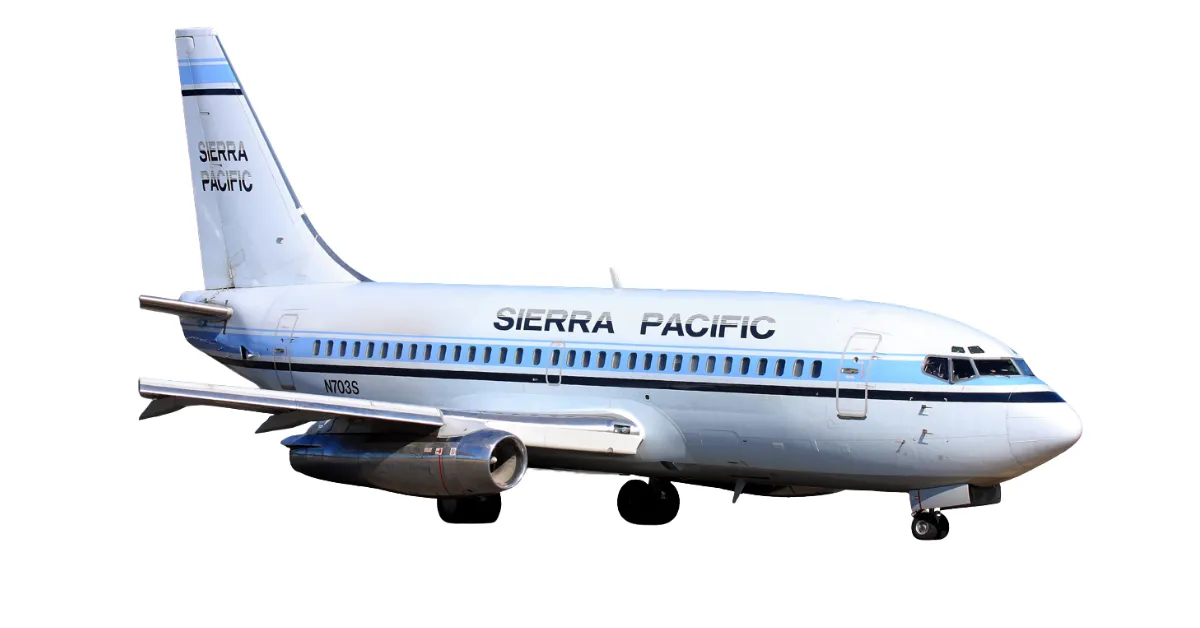
Sierra Pacific Airlines sits in that quiet corner of aviation most travelers rarely notice. No flashy ads, no giant global route maps — just a steady charter airline doing its job. Founded in the United States, the carrier focuses on private, government, sports team, and specialized charter operations rather than scheduled commercial flights. It’s the kind of airline that pops up when a group needs flexibility and reliability more than seat sales and loyalty points.
The airline has built a reputation around practical operations. Tight schedules, custom routing, and aircraft configured for group needs shape its identity. Some travelers describe it as old-school aviation — simple service, dependable flying, and minimal fuss. Not glamorous. But effective.
Hub and Operations
Primary operations are centered at Fresno Yosemite International Airport in California. This location supports charter logistics, maintenance access, and positioning flights across the western United States. Operations extend nationwide depending on contract requirements, meaning aircraft often appear at airports far from the base.
Unlike scheduled airlines, Sierra Pacific’s operational rhythm depends on contracts. One week may involve sports charters, another government transport, and sometimes corporate travel. It’s unpredictable — in a good way for charter clients who need flexibility without long-term commitments.
Cabin Classes
Traditional cabin class segmentation is not a major focus because flights are charter-based. Still, aircraft interiors allow adaptable seating arrangements.
Economy Class
Economy configuration usually supports large group travel. Seating is straightforward, comfortable enough for short and medium routes, and designed for quick boarding and deplaning. No unnecessary extras, just practical seating with overhead storage and basic inflight service options depending on contract terms.
Premium Economy
Premium seating may be available through modified layouts. Extra legroom rows, group seating arrangements, or custom seat assignments can be included for teams or executive groups. It’s not branded as a typical premium economy product, but flexibility creates a similar experience.
Business Class
Business-style configurations appear on select charters. Wider seating, improved spacing, and customized catering can be arranged. The experience depends heavily on client requests, which means no standardized product — sometimes simple, sometimes surprisingly upscale.
Destination and Route Network
There is no fixed route map. Instead, Sierra Pacific Airlines operates point-to-point charters across the United States and occasionally international destinations when required. Flights frequently serve major sports cities, military bases, corporate hubs, and remote airports where scheduled service may be limited.
That flexibility is the airline’s real strength. Need a late-night departure? Early morning arrival? Multiple stops? Charter structure allows it. Travelers used to rigid airline schedules might find this refreshingly practical.
Fleet and Aircraft Details
The fleet has historically included Boeing 737 aircraft, particularly the 737-200 series configured for charter operations. These aircraft are known for durability and performance on shorter runways, making them suitable for specialized missions and airport access where newer jets sometimes struggle.
Cabins are typically arranged for group transport, with layouts adjusted to client requirements. Aircraft maintenance follows regulatory standards, ensuring operational safety despite the older airframe generation. Some aviation enthusiasts even appreciate the classic jet feel — a rare throwback in modern skies.
IATA Code and Airline Code
Sierra Pacific Airlines does not operate widely under a commercial IATA passenger code due to its charter nature. However, operational identifiers exist for regulatory and air traffic purposes through ICAO registration systems used in charter and contract operations.
Flight Experience
The onboard experience varies dramatically depending on charter type. Sports teams might receive customized catering and equipment storage, corporate groups may enjoy tailored seating and private boarding processes, while government flights focus on efficiency and security.
Entertainment systems are limited compared to large airlines, and Wi-Fi availability depends on aircraft configuration. That said, charter passengers often value privacy, schedule control, and reduced airport stress more than inflight extras. No crowded boarding gates, no chaotic seat upgrades — just a direct travel experience.
There’s also a certain charm. Smaller operations mean quicker communication, more personalized service, and fewer bureaucratic layers. Sometimes imperfect, sometimes refreshingly human.
Online Services
Because Sierra Pacific Airlines operates as a charter carrier, online booking tools are not designed for individual travelers. Charter requests typically go through direct communication channels with the airline’s operations team. Services may include itinerary planning, aircraft selection, catering coordination, and ground transport arrangements.
Digital presence focuses on informational support rather than full passenger self-service portals. This reflects the airline’s niche market — groups and organizations rather than retail ticket buyers.
Official Website
The airline’s official website provides company information, charter request details, operational background, and contact channels for booking inquiries. Visitors can explore aircraft capabilities and charter solutions tailored to group travel requirements.




Leave a Reply