

Advanced Air isn’t one of those giant airline names splashed across airport billboards. It’s smaller, quieter, and honestly built for a different kind of traveler. Founded in 2005 and headquartered in Hawthorne, California, Advanced Air operates as a U.S.-based charter and scheduled regional airline. The focus leans toward convenience over flash—short-haul routes, private charter solutions, and regional connectivity that skips the chaos of mega-hubs.
The airline’s IATA code is AN, and its ICAO airline code is WSN. Not the kind of code most casual travelers memorize, but aviation folks know it well enough. Operations are handled under FAA Part 135 and Part 121 certifications, depending on the flight type.
Hub and Operations
The main operational base sits at Hawthorne Municipal Airport in California. Scheduled services also connect through regional airports like Silver City, NM and other smaller U.S. cities that don’t always get the love from major carriers. That’s the niche. Short runways. Small terminals. Faster boarding. No endless security lines wrapping around corners.
Charter operations form a big part of the business—corporate flights, sports teams, private group travel. It’s flexible aviation. Less waiting, more moving. And yes, that makes a difference.
Cabin Classes
Here’s where expectations should be set straight. Advanced Air doesn’t run three separate luxury tiers the way global airlines do. There’s no traditional long-haul Business Class cabin with sliding doors. Instead, the experience feels closer to premium regional service.
Economy Class
Economy seating is straightforward and comfortable for short flights. Seats are arranged in smaller aircraft cabins, so overhead space and legroom often feel less cramped than on larger commercial jets. No squeezing into a middle seat between strangers for five hours. Flights are usually under two hours, which helps.
Premium Economy
There isn’t a formally branded Premium Economy cabin, but certain aircraft layouts offer upgraded seating space, particularly on charter services. More elbow room, quieter atmosphere, fewer passengers. It’s subtle—but noticeable.
Business Class
On charter flights, the experience resembles private business-class travel. Think executive-style seating configurations and personalized scheduling. It’s less about cabin branding and more about the environment—calm, efficient, controlled.
Destination and Route Network
Advanced Air focuses mainly on regional routes within the United States. Destinations often include underserved cities that lack direct connectivity through major carriers. Routes have included locations in New Mexico, Arizona, California, and Texas.
The airline’s strategy revolves around smart gaps in the map—places where commercial demand exists but large aircraft would feel excessive. That practical angle keeps operations lean.
Fleet and Aircraft Details
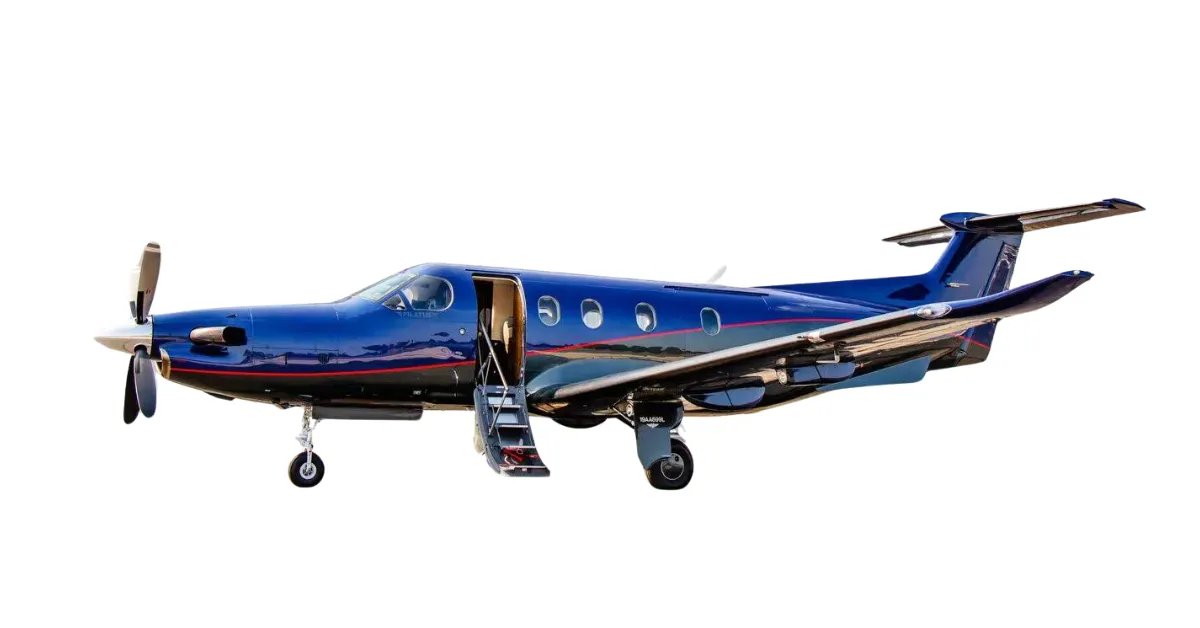
The fleet is compact but purposeful. Aircraft typically include models such as the Dornier 328JET and Pilatus PC-12. These planes are well-suited for regional routes and charter flexibility.
- Dornier 328JET – Regional jet designed for short-haul comfort with around 30 seats.
- Pilatus PC-12 – Turboprop aircraft frequently used for charter and specialized routes.
Smaller planes mean faster boarding, quicker taxi times, and access to airports larger jets can’t reach. There’s a trade-off—limited in-flight frills—but efficiency wins most days.
Flight Experience
The flight experience feels refreshingly uncomplicated. Boarding often happens directly from the tarmac. No jet bridges, no gate chaos. Staff interactions feel personal rather than procedural. It’s regional air travel the way it used to feel—simple, almost neighborly.
In-flight service is modest. Short routes don’t call for elaborate meal programs. Expect light refreshments depending on route length. Entertainment systems? Usually not installed. Bring a downloaded show or a good old-fashioned book.
Still, the shorter boarding lines and relaxed terminal environment offset the lack of flashy extras. Sometimes less noise equals better travel. Ugh—anyone who’s sprinted across a massive terminal gets it.
Online Services
Advanced Air offers online booking through its official website. Travelers can check schedules, manage reservations, and review charter options directly. Digital check-in options depend on the specific route and airport facilities, since smaller regional airports don’t always run the same automated systems found at major hubs.
Charter inquiries are also handled online, with personalized quotes based on aircraft type, route distance, and passenger count. It’s fairly direct—no labyrinth of hidden tabs.
Official Website
The official website is:
www.advancedairlines.com
The site covers route updates, booking tools, fleet details, and charter services. Clean layout. No overload of pop-ups. Straight to the point.
Policies and Travel Information
Baggage allowances vary depending on aircraft type, which makes sense considering smaller cargo holds. Charter passengers typically receive tailored baggage guidance before departure. Scheduled flight travelers should review restrictions ahead of time—space is more limited than on larger jets.
Pet policies, special assistance requests, and cancellation terms are clearly outlined during booking. Charter agreements may differ from scheduled ticket rules. It’s smart to double-check specifics before finalizing travel plans.
Advanced Air doesn’t pretend to be a global giant. It operates with focus—regional precision, charter adaptability, smaller aircraft practicality. Short hops. Clean cabins. Fewer crowds. That’s the rhythm here.




Leave a Reply