

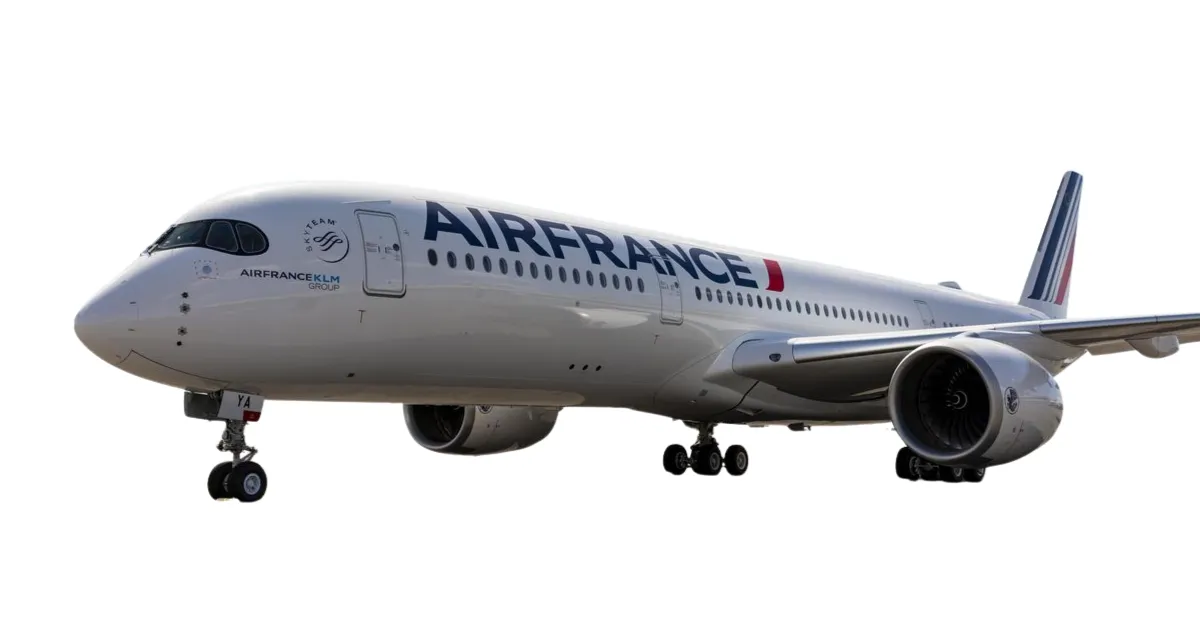
Long-haul comfort. European charm. A global footprint that feels almost oversized. Air France has been part of international aviation for decades, and the name still carries that polished, Parisian edge people expect. Some travelers book through the network. Others for the food. Some just want a smooth ride without drama—no chaos at check-in, no surprise fees popping up at the gate. Fair enough.
Overview of Air France
Air France is the flag carrier of France and a founding member of the Air France–KLM Group. The airline’s IATA code is AF, and its ICAO airline code is AFR. The official website is www.airfrance.com, where booking, check-in, and flight management happen in a clean, mostly stress-free layout.
The brand leans heavily into French identity—design, cuisine, wine lists, that subtle navy-and-white aesthetic. It doesn’t scream luxury, but it whispers it. Quiet confidence. That’s the vibe.
Hub and Main Operations
The primary hub is Paris Charles de Gaulle Airport (CDG). It’s big, busy, sometimes confusing—been there, missed that gate—but it connects travelers to almost everywhere worth going. CDG acts as the beating heart of Air France operations, with thousands of connecting passengers flowing through daily.
Paris Orly Airport also supports regional and select international flights. From these bases, the airline stretches outward to Europe, the Americas, Africa, Asia, and beyond. The network is wide enough that last-minute planners often find a route that works without juggling three separate tickets. Relief, honestly.
Destinations and Route Network
Air France flies to more than 200 destinations across nearly 100 countries. Major cities in North America—New York, Los Angeles, Toronto—sit alongside strong coverage in Africa, where the airline maintains deep historical ties. European routes form the backbone of short-haul travel, linking Paris with Rome, Madrid, Berlin, Amsterdam, and dozens more.
The route network balances business corridors and leisure hotspots. One day it’s a banker flying Paris to Tokyo. Next day, a family heading to the Caribbean. Same aircraft brand, very different moods onboard.
Fleet and Aircraft Details
The Air France fleet includes over 200 aircraft, mixing wide-body and narrow-body models. Long-haul services often use Boeing 777s, Boeing 787 Dreamliners, and Airbus A350 aircraft. These jets handle transatlantic and intercontinental routes with improved cabin pressure and quieter engines—small detail, big difference on a 10-hour stretch.
Short- and medium-haul flights rely on Airbus A320 family aircraft and regional jets. The fleet modernization plan focuses on fuel-efficient models, cutting emissions while improving passenger comfort. Newer cabins, mood lighting, upgraded seats. No one complains about that.
Cabin Classes and Flight Experience
Air France offers four primary cabin experiences: Economy, Premium Economy, Business, and La Première (First Class on select routes). Each tier feels distinct without turning into a maze of confusing fare bundles.
Economy Class
Economy on Air France is practical but polished. Seats provide adjustable headrests and personal entertainment screens on long-haul flights. Meals reflect French-inspired menus—think pasta, chicken in sauce, maybe a small dessert that feels a bit indulgent for 35,000 feet.
Legroom is standard for international carriers. Not sprawling. Not cramped either. For short-haul European routes, buy-on-board options may apply depending on the ticket type. It’s straightforward. No gimmicks.
Premium Economy
Premium Economy sits in that sweet middle space. Wider seats, deeper recline, extra legroom. The cabin layout feels calmer, almost like someone turned down the noise. Two checked bags are often included on long-haul fares, and meal service upgrades slightly—real cutlery, better presentation, a touch more breathing room.
For travelers who find standard economy a bit tight (ugh, those overnight flights), this cabin often strikes a balance between comfort and cost.
Business Class
Business Class on Air France focuses on privacy and rest. Many long-haul aircraft now feature fully flat beds with direct aisle access. The seat design includes sliding doors on select aircraft—mini suites in the sky. Storage compartments feel thoughtfully placed, lighting soft and adjustable.
Dining is where things get interesting. Multi-course meals designed with French culinary influence, curated wine lists, proper table settings. Lounge access at major airports adds pre-flight comfort, along with priority boarding and extra baggage allowance. Smooth. Mostly seamless.
In-Flight Entertainment and Connectivity
Personal screens on long-haul flights provide movies, TV series, music, and games. Wi-Fi is available on many aircraft, with packages for messaging or full browsing. Not always lightning fast—but it works when needed.
Cabin crews often receive praise for professionalism. Service style blends efficiency with warmth, sometimes formal, sometimes relaxed depending on the route. Cultural mix onboard keeps things interesting.
Baggage Policy and Travel Essentials
Baggage allowances vary by fare type and cabin class. Economy Light fares may exclude checked baggage, while higher fare tiers include one or two pieces. Business Class passengers typically enjoy increased weight limits and additional carry-on flexibility.
Online check-in opens 30 hours before departure for most flights. Mobile boarding passes streamline airport movement, cutting down on those last-minute scrambles at kiosks.
Online Services and Digital Experience
The official website and mobile app allow travelers to book flights, choose seats, manage reservations, add baggage, and request special meals. Flight status tracking is available in real time. The Flying Blue loyalty program rewards frequent travelers with miles redeemable for upgrades and partner services.
Account dashboards store travel history, preferences, and saved payment methods. It’s functional, mostly intuitive—though like any airline platform, occasional glitches happen. Technology, right?
Codes and Key Facts
- IATA Code: AF
- ICAO Airline Code: AFR
- Main Hub: Paris Charles de Gaulle Airport (CDG)
- Secondary Hub: Paris Orly Airport
- Official Website: www.airfrance.com
- Alliance Membership: SkyTeam
- Fleet Size: 200+ aircraft
- Destinations: 200+ worldwide
Why Travelers Choose Air France
Global reach. Recognizable brand. Reliable transatlantic connections. The airline combines modern aircraft with a touch of French character that stands out in a crowded market. Some flights feel routine. Others—especially long-haul Business Class—feel carefully staged, almost cinematic.
Is it perfect every time? Airlines rarely are. Delays happen. Airports get chaotic. But Air France maintains a steady reputation for quality service, strong route coverage, and consistent onboard standards that make repeat bookings common. And in commercial aviation, repeat bookings say a lot.




Leave a Reply