

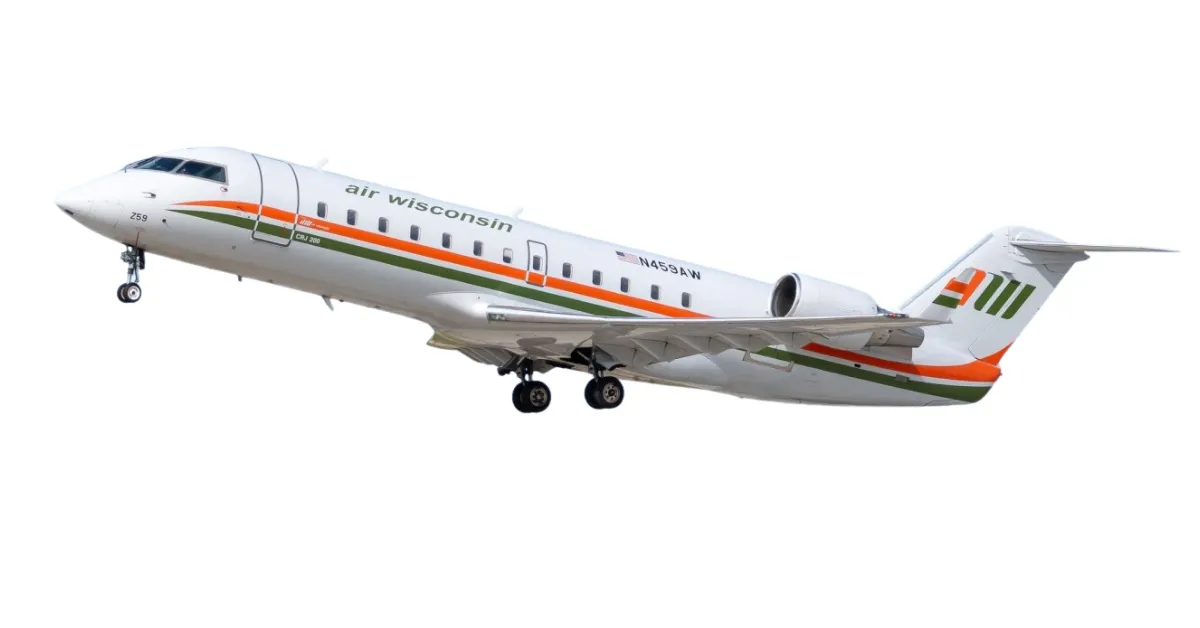
Regional airlines don’t always get the spotlight. Big names grab headlines. Long-haul cabins make the noise. And then there’s Air Wisconsin—steady, practical, and deeply wired into the U.S. regional aviation system. Not flashy. Just functional. And for a lot of travelers, that’s exactly the point.
Overview of Air Wisconsin
Air Wisconsin Airlines is a U.S.-based regional carrier founded in 1965. The airline operates primarily under capacity purchase agreements with major airlines, meaning flights are often branded under a larger partner’s name rather than its own. Its IATA code is ZW, and the airline code (ICAO) is AWI. Those little two-letter and three-letter identifiers? They matter in booking systems and airport ops—behind-the-scenes glue.
The company is headquartered in Appleton, Wisconsin. Not New York. Not Atlanta. Appleton. And that tells a story. This airline grew out of Midwest practicality—short hops, reliable connections, getting people from smaller cities into major hubs without drama.
Hub and Operations
Air Wisconsin does not operate traditional hubs in the same way major airlines do. Instead, it flies routes on behalf of partner airlines through their established hubs. Over the years, these hubs have included major U.S. airports such as Chicago O’Hare and Washington Dulles, depending on partnership agreements in place at the time.
Operations are tightly focused on regional connectivity. Think shorter sectors. Think early morning departures feeding into cross-country flights. Think business travelers who just want to make that connection without sprinting through Terminal C like it’s an Olympic event.
Cabin Classes on Air Wisconsin
Here’s where things get simple—almost refreshingly simple.
Air Wisconsin operates a single-class configuration on its aircraft. That means Economy Class only. No Premium Economy section. No Business Class cabin tucked behind a curtain. No lie-flat seats. And honestly? On a 60–90 minute regional hop, that’s rarely a deal-breaker.
Economy Class Experience
Economy on Air Wisconsin is straightforward. Seats are arranged in a 2-2 layout aboard the Bombardier CRJ regional jets, so no middle seats. That alone earns quiet applause from frequent flyers. Seat pitch is standard for regional aircraft—comfortable enough for short-haul travel, though taller passengers might shift around a bit. It happens.
Cabin service varies depending on flight length and partner airline policies. Short routes may offer light refreshments. Longer regional segments can include beverages and snacks aligned with the major carrier’s standards.
Premium Economy and Business Class
Air Wisconsin does not operate Premium Economy or Business Class cabins on its aircraft. When booking through a partner airline, a ticket labeled “First” or “Business” may still place passengers in the same single-cabin regional configuration. The branding sometimes sounds grander than the seat itself. That’s regional aviation reality.
Destination and Route Network
The Air Wisconsin route network focuses on domestic U.S. destinations. Flights connect smaller and mid-sized cities to major airline hubs. Instead of spanning continents, the airline stitches together essential regional corridors.
Destinations often include cities across the Midwest, East Coast, and parts of the South, depending on operational contracts. Routes shift over time—capacity agreements change, partnerships evolve, schedules get reshuffled. It’s a dynamic map, not a fixed one.
For travelers in smaller communities, Air Wisconsin plays a crucial role. Without regional operators, many cities would lose direct access to the broader national network. That feeder function? Quietly critical.
Fleet and Aircraft Details
The Air Wisconsin fleet primarily consists of Bombardier CRJ-200 regional jets. These aircraft typically seat around 50 passengers in an all-economy configuration.
The CRJ-200 is built for short-haul performance—efficient on regional routes, capable of operating from smaller airports, and fast enough to keep schedules tight. Cabin space is compact. Overhead bins are modest. Roller bags often need to be gate-checked. It’s part of the drill.
While the CRJ-200 isn’t known for whisper-quiet cabins or cutting-edge interiors, it does the job. Quick climbs, smooth cruise at regional altitudes, and fast turnaround times on the ground. Functional. No frills.
Flight Experience
The Air Wisconsin flight experience centers on reliability and coordination with partner airlines. Boarding procedures, baggage policies, and frequent flyer benefits typically align with the major airline operating the flight.
Check-in can be completed through the partner airline’s website or mobile app. Gate agents and crew wear uniforms representing the contracted brand. For most passengers, the regional operator’s name appears only in small print on the boarding pass.
In-flight entertainment systems are not installed on CRJ-200 aircraft. There are no seatback screens. No onboard Wi-Fi in most cases. It’s a short-haul environment—read a book, download a show before departure, stare out the window (always underrated).
Cabin crew service tends to be efficient and direct. Regional crews move quickly—tight schedules, short block times, rapid deplaning. The rhythm is different from long-haul service. More brisk. Less ceremony.
Online Services and Booking
Air Wisconsin flights are generally booked through the website of its major airline partner rather than directly. Online services include:
- Digital check-in
- Mobile boarding passes
- Seat selection (subject to aircraft layout)
- Flight status updates
- Frequent flyer mileage accrual
Policies such as baggage allowance, ticket changes, and refunds follow the rules of the operating major carrier. Always check the marketing airline’s policy before travel—regional agreements can feel a little layered.
Official Website
The official website of Air Wisconsin is:
The site provides corporate information, company background, career opportunities, and operational details. Passenger booking services are handled through partner airlines rather than direct retail sales.
Why Air Wisconsin Still Matters
Regional airlines don’t trend on social media. No viral cabin reveals. No champagne marketing. But when weather disrupts a major hub, or when a small city needs dependable air access—this is where carriers like Air Wisconsin step in and quietly keep the machine running.
Is the cabin luxurious? No. Is the route network global? Not even close. But for short domestic segments connecting communities to the wider U.S. aviation grid, Air Wisconsin remains a steady presence. And in aviation, steady counts.




Leave a Reply