

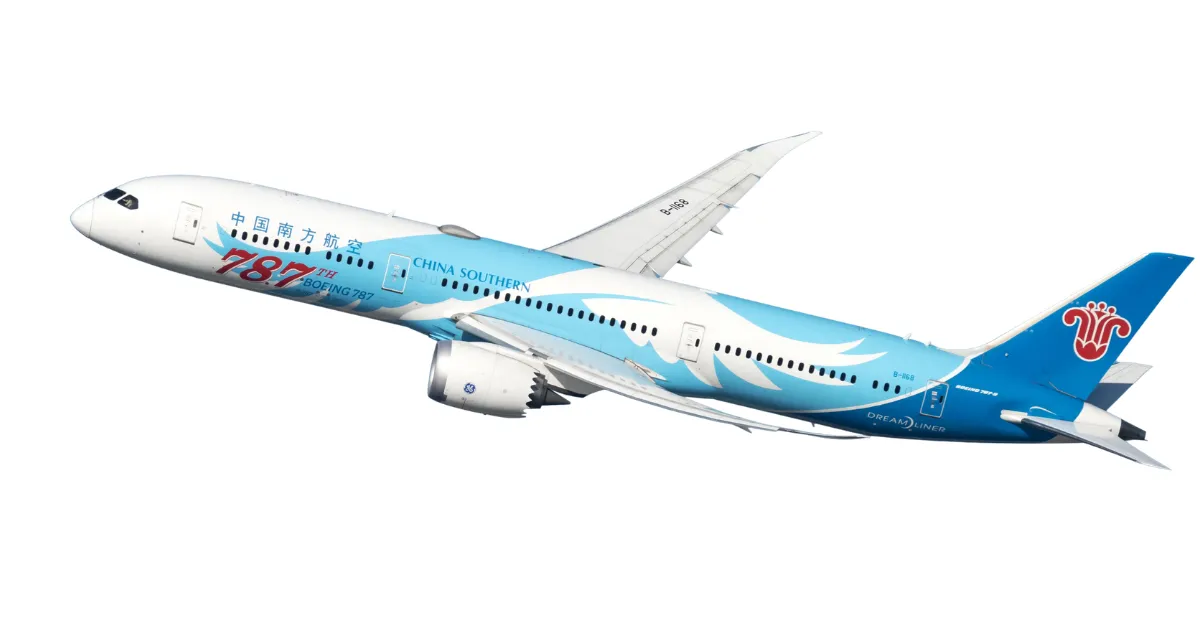
China Southern Airlines sits among the world’s largest carriers, and yes, the scale shows—big route map, huge aircraft lineup, busy airports humming day and night. Based in Guangzhou, the airline connects Asia with Europe, North America, Australia, and plenty of smaller regional cities that many travelers never expected to reach directly. The IATA code is CZ, and the airline code is CSN. Official website: www.csair.com. Booking flights, managing reservations, and checking baggage rules can all be handled online, which saves time (and a little patience).
Overview and Main Operations
The primary hub operates from Guangzhou Baiyun International Airport, with major secondary hubs in Beijing and Shenzhen. Operations are large-scale, sometimes chaotic during peak travel seasons—holiday traffic in China is no small thing—but the network coverage is impressive. Domestic routes stretch across hundreds of Chinese cities, while long-haul flights reach destinations such as London, Los Angeles, Sydney, and Vancouver. For travelers trying to avoid complicated multi-airline itineraries, the network alone makes the airline worth a look.
Cabin Classes and Seating Options
Cabin offerings vary depending on aircraft type, though most long-haul flights include First Class (select routes), Business Class, Premium Economy, and Economy. Short domestic flights usually stick to Business and Economy only. Seating design leans practical rather than flashy, yet long-haul Business cabins include lie-flat beds, privacy dividers, and wide entertainment screens. Premium Economy fills that middle-ground gap—extra legroom, wider seats, priority boarding in some airports, and a calmer boarding experience overall.
Economy Class Experience
Economy class is straightforward, comfortable enough for long journeys, and generally consistent across wide-body aircraft. Seats provide standard pitch, adjustable headrests, and personal screens on most international routes. Meals lean toward Chinese and international options—rice dishes, noodles, chicken meals, sometimes pasta. Not gourmet dining, but rarely disappointing either. On longer flights, snack rounds appear between meals (a welcome surprise when hunger hits at odd hours somewhere over the Pacific).
Business Class Experience
Business Class is where the airline steps up noticeably. Lie-flat seating transforms overnight flights from endurance tests into actual rest opportunities. Bedding kits, noise-reducing headphones, and expanded dining menus appear on most intercontinental routes. Lounge access at major hubs adds comfort before departure—quiet seating, hot meals, charging stations, showers. Some travelers find the service style calm and understated, others describe it as slightly reserved, yet efficiency stays consistent. Bags arrive quickly at baggage claim more often than not, which always feels like a small victory.
Premium Economy Cabin
Premium Economy sits between the two extremes and works well for travelers wanting more space without Business Class pricing. Seats are wider, recline further, and often include upgraded meal presentation. Boarding priority sometimes applies depending on airport operations. It’s the kind of cabin that quietly becomes a favorite—extra comfort without the dramatic ticket jump.
Fleet and Aircraft Details
The fleet includes modern wide-body aircraft such as Airbus A350s, Boeing 787 Dreamliners, Airbus A330s, along with narrow-body Airbus A320 family jets for domestic routes. Aircraft interiors vary by delivery year, so seat layouts can differ slightly, yet modernization programs have been steadily upgrading cabins. Long-haul aircraft usually feature Wi-Fi availability (route dependent), USB charging ports, and large entertainment libraries with multilingual film selections.
Destinations and Route Network
China Southern’s destination network covers more than 200 locations worldwide. Domestic coverage dominates, connecting major commercial centers and smaller provincial cities alike. International services focus heavily on Asia-Pacific, Europe, North America, and Oceania. The airline once pushed a “Canton Route” strategy—linking travelers through Guangzhou between continents—and the approach still shapes many schedules today. Travelers flying between Southeast Asia and North America often find competitive routing through this hub.
Online Services and Passenger Tools
Digital services include online check-in, seat selection, mobile boarding passes, flight status tracking, and baggage allowance calculators. The frequent flyer program, Sky Pearl Club, allows members to collect miles for upgrades, extra baggage, or partner airline travel. Website navigation sometimes feels crowded (too many tabs, too many options), though core booking functions remain reliable. Mobile apps provide similar features for travelers who prefer quick phone-based check-ins while rushing toward security lines.
Policies and Travel Notes
Baggage policies vary depending on route region and ticket class. International long-haul Economy fares typically include at least one checked bag, while Business Class tickets allow multiple pieces with higher weight limits. Carry-on allowances follow standard international practices—one cabin bag plus a personal item. Special assistance services are available for passengers needing mobility support, medical accommodations, or unaccompanied minor handling. Advance notification usually speeds the process.
China Southern Airlines blends scale, broad coverage, and practical onboard service into a travel experience that feels steady rather than flashy. Not every flight runs perfectly—delays happen, busy hubs get loud—but the airline’s global reach, steady fleet upgrades, and varied cabin options keep it firmly positioned among the major international carriers serving Asia and beyond.




Leave a Reply