

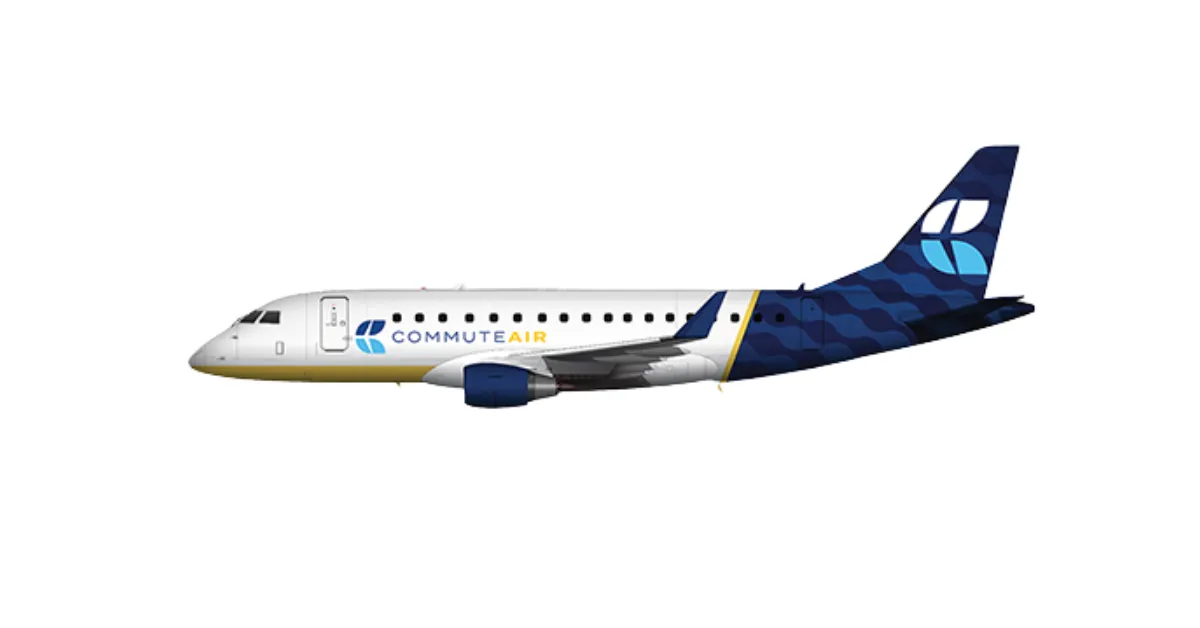
CommuteAir is one of those regional carriers most travelers have flown without even realizing it. The aircraft might say United Express on the side, but the operating airline behind many of those shorter routes is CommuteAir. Founded in 1989, this regional airline focuses on connecting smaller cities to major hubs across the United States. It operates as a partner of United Airlines under the United Express brand.
The airline’s IATA code is C5, and its ICAO airline code is UCA. CommuteAir plays a quiet but important role in the domestic network, linking communities that larger aircraft simply cannot serve efficiently. Regional routes. Tight schedules. Quick turns. That’s the rhythm.
Hub and Operations
CommuteAir operates primarily from United Airlines hubs. Key operational bases include Houston and Washington Dulles, with flights connecting through major United hubs such as Denver and Chicago O’Hare. Operations are structured around feeding traffic into these larger airports, helping passengers transfer smoothly to domestic and international flights.
Flights are short-haul—typically under two hours. Think smaller cities connecting to big gateways. Early departures, quick ground times, and crews that move with purpose. Regional aviation isn’t glamorous, but it gets the job done.
Destinations and Route Network
The CommuteAir route network covers dozens of cities across the United States. The focus remains on underserved or mid-sized markets that need reliable connections to major hubs. Instead of operating coast-to-coast services, the airline specializes in point-to-hub routes.
Destinations shift occasionally based on seasonal demand and United’s broader network strategy. Routes are built to support connecting traffic rather than leisure-focused nonstop travel. It’s practical flying—business travelers, family visits, tight connections, repeat passengers who just want predictability.
Fleet and Aircraft Details
CommuteAir operates a fleet of Embraer ERJ-145 regional jets. These aircraft typically seat around 50 passengers in a single-class configuration. The ERJ-145 is known for its slim fuselage and 1-2 seating layout, meaning fewer middle seats (a small win on short flights).
The aircraft are designed for short to medium-haul routes, offering efficiency on regional sectors. While cabin space feels compact—no denying that—the aircraft are built for speed and reliability on frequent daily rotations.
Cabin Classes
CommuteAir aircraft are generally configured in an all-economy layout due to their size and regional mission. However, because flights operate under the United Express banner, ticket categories may reflect United’s fare structure.
Economy Class
Economy Class is the standard and only physical cabin on most CommuteAir-operated flights. Seats are arranged in a 1-2 layout. Legroom is consistent with regional jet standards. Overhead bin space is limited, so larger carry-on bags are often gate-checked. Been there, done that—bags tagged at the jet bridge.
Complimentary soft drinks are typically available, depending on flight length and service timing. On very short hops, service can feel quick—blink and it’s descent time.
Premium Economy
There is no dedicated Premium Economy cabin onboard CommuteAir aircraft. However, passengers purchasing higher United fare classes may receive priority boarding or flexibility benefits tied to their ticket type rather than a separate seat product.
Business Class
Business Class seating is not available on the ERJ-145 fleet operated by CommuteAir. Travelers connecting to long-haul or mainline United flights may experience Business Class on those segments, but the regional leg itself remains single-cabin.
Flight Experience
The flight experience on CommuteAir is straightforward. Boarding is usually done planeside or via jet bridge, depending on the airport. Cabin crew interactions feel direct and efficient. No elaborate frills. Just professional service.
Because of the smaller aircraft size, turbulence can feel more noticeable compared to larger jets. That’s normal for regional flying. On the upside, boarding and deplaning are fast. Very fast. The 1-2 seat layout also reduces the number of middle-seat frustrations, which many frequent travelers quietly appreciate.
In-flight entertainment systems are not installed on most aircraft. Passengers are encouraged to use personal devices for entertainment. Wi-Fi availability may vary depending on aircraft configuration and United’s regional upgrades.
Online Services
Since CommuteAir operates under United Express, most online services are handled through United Airlines’ digital platforms. Flight bookings, check-in, seat selection, baggage policies, and real-time updates are accessed via United’s official website and mobile app.
Passengers can check in online up to 24 hours before departure. Mobile boarding passes are accepted at most airports. Baggage tracking, upgrade requests, and flight notifications are managed digitally. Simple tools. Clean interface. It works.
Official Website
For corporate information, career details, and company updates, the official website of CommuteAir is:
https://www.commuteair.com
However, ticketing and passenger-facing services are handled through United Airlines’ website due to the codeshare and operating agreement.
Policies and Practical Notes
Baggage policies align with United Airlines guidelines for United Express flights. Carry-on restrictions are stricter due to aircraft size. Expect gate-check procedures for roller bags. Seating assignments follow United’s system, and frequent flyer benefits apply through the MileagePlus program.
Weather disruptions can impact regional networks more quickly than mainline routes—smaller aircraft, tighter schedules, and limited alternates. That’s part of regional aviation. Flexibility helps.




Leave a Reply