

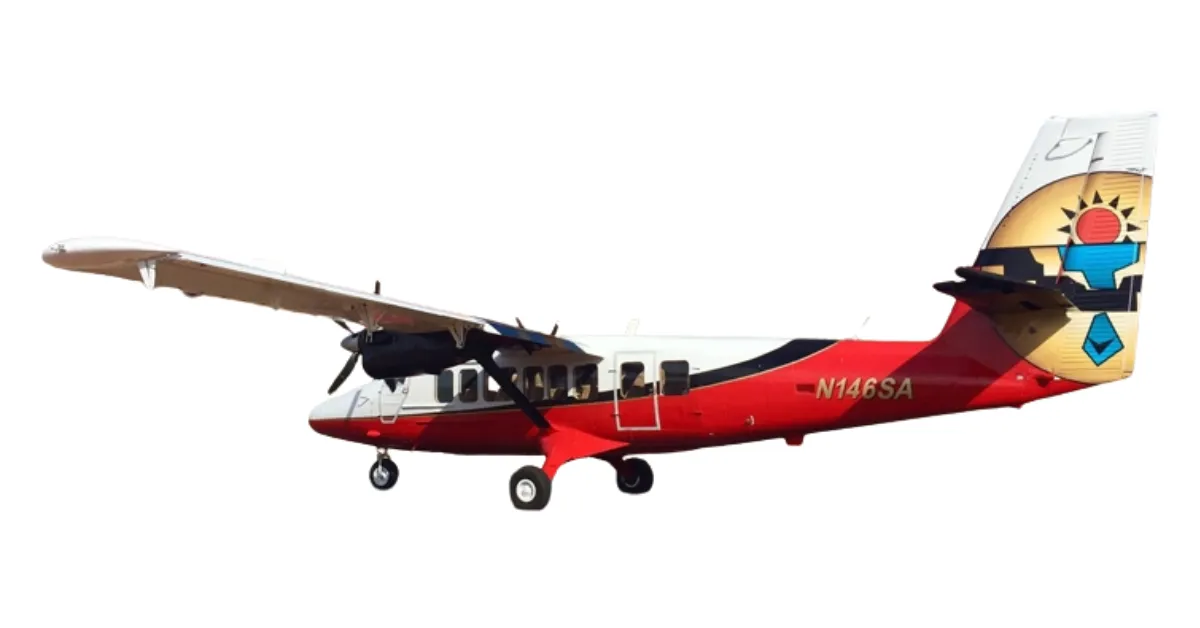
Grand Canyon Airlines sits in a niche corner of aviation that feels a bit different from the usual commercial airline experience. This is not about rushing through busy terminals or chasing connecting flights across continents. The focus here is sightseeing, regional connectivity, and those unforgettable aerial views that turn a simple flight into something closer to a memory scrapbook entry.
Founded decades ago to support tourism around the Grand Canyon region, the airline carved out a reputation for scenic flights and small aircraft operations. It’s practical, sometimes rustic, occasionally quirky—but that’s part of the charm. Travelers typically choose this airline for quick scenic tours rather than long-haul transport, and expectations tend to match that reality.
Hub and Operations
The primary operational base is located at Boulder City Municipal Airport in Nevada, which acts as the main launch point for sightseeing flights over the Grand Canyon and surrounding landscapes. Operations are structured around short regional hops and guided aerial tours, meaning schedules are influenced heavily by weather conditions, daylight, and tourist demand.
Flights often run in tight rotations, with aircraft returning quickly between departures. No sprawling hub chaos. Just efficient, small-scale aviation that gets people airborne fast—sometimes surprisingly fast, honestly.
Cabin Classes
Traditional airline cabin segmentation doesn’t really apply here. Grand Canyon Airlines focuses on a single-class layout across its aircraft. No fancy partition curtains, no seat upgrades, no loyalty tier debates. Just straightforward seating designed to maximize window views and comfort for short flight durations.
Still, travelers often notice differences in aircraft seating arrangements depending on the plane model used for the tour. Window access matters. And yes, seat assignment can feel like a strategic game when scenic photography is the goal.
Economy Class
Economy is essentially the standard experience across all flights. Seats are compact yet comfortable for short journeys, with wide windows acting as the real highlight. Cabin interiors lean practical—nothing flashy—but clean and functional. The absence of in-flight entertainment might sound odd, but the canyon itself becomes the screen, so complaints are rare.
Premium Economy
Premium economy isn’t formally offered, though some aircraft configurations create a slightly roomier feel in certain rows. Travelers sometimes perceive these seats as “better,” especially near the cockpit area where visibility improves. It’s unofficial, but the difference can be noticeable.
Business Class
Business class doesn’t exist within the airline’s service structure. Flights remain focused on accessibility and sightseeing value rather than luxury segmentation. Honestly, adding business class might feel out of place here.
Destination and Route Network
Grand Canyon Airlines operates routes centered on the Grand Canyon region, including scenic flights over the West Rim, South Rim, and surrounding desert landscapes. Some itineraries connect with nearby tourist hubs such as Las Vegas, offering visitors a fast aerial route into canyon viewing zones without lengthy ground travel.
The route network remains intentionally compact. Expansion hasn’t been a priority—depth of experience beats geographic reach in this case. Scenic loops, guided commentary flights, and occasional charter operations make up the bulk of the schedule.
Fleet and Aircraft Details
The airline relies on a fleet of small, specialized aircraft suited for sightseeing and regional operations. These planes emphasize stability, window visibility, and low-altitude performance rather than speed or passenger volume.
- De Havilland Canada DHC-6 Twin Otter
- Cessna Caravan aircraft variants
- Other small turboprop aircraft configured for scenic touring
These aircraft are known for reliability and short runway capability, which makes them ideal for desert and canyon environments. The Twin Otter, in particular, stands out for its rugged build and panoramic viewing setup—something aviation enthusiasts quietly appreciate.
IATA Code and Airline Code
Grand Canyon Airlines operates under the following identifiers:
- IATA Code: GC
- ICAO Code: CVU
- Callsign: Canyon View
Flight Experience
The flight experience leans heavily toward sightseeing immersion. Pilots often provide live narration, pointing out geological formations, river bends, and canyon features that might otherwise go unnoticed. There’s a casual, almost storytelling vibe inside the cabin, which contrasts sharply with the scripted announcements of large commercial airlines.
Turbulence can happen due to canyon air currents—nothing alarming, just noticeable enough to remind passengers they’re flying through a dynamic environment. Some travelers find it thrilling; others grip armrests for a minute or two. Either way, views tend to steal attention quickly.
Online Services
Grand Canyon Airlines maintains a straightforward digital presence focused on booking tours, checking flight availability, and managing reservations. Online check-in options may vary depending on the flight type, especially for guided tour packages that require coordinated ground transportation or pre-flight briefings.
The website also provides itinerary customization, charter inquiries, and seasonal promotional offers. No overloaded app ecosystem, no endless push notifications—just basic functionality that gets the job done.
Policies
Policies revolve around safety, weather flexibility, and passenger weight distribution (yes, that last one matters on smaller aircraft). Weight reporting is typically required during booking to maintain aircraft balance and safety standards.
Cancellation policies often account for weather disruptions, offering rescheduling options rather than strict penalties. Baggage allowances remain limited due to aircraft size, so packing light becomes less of a suggestion and more of a rule.
Official Website
Travelers can access booking tools, tour packages, and airline information through the official website:
www.grandcanyonairlines.com




Leave a Reply