

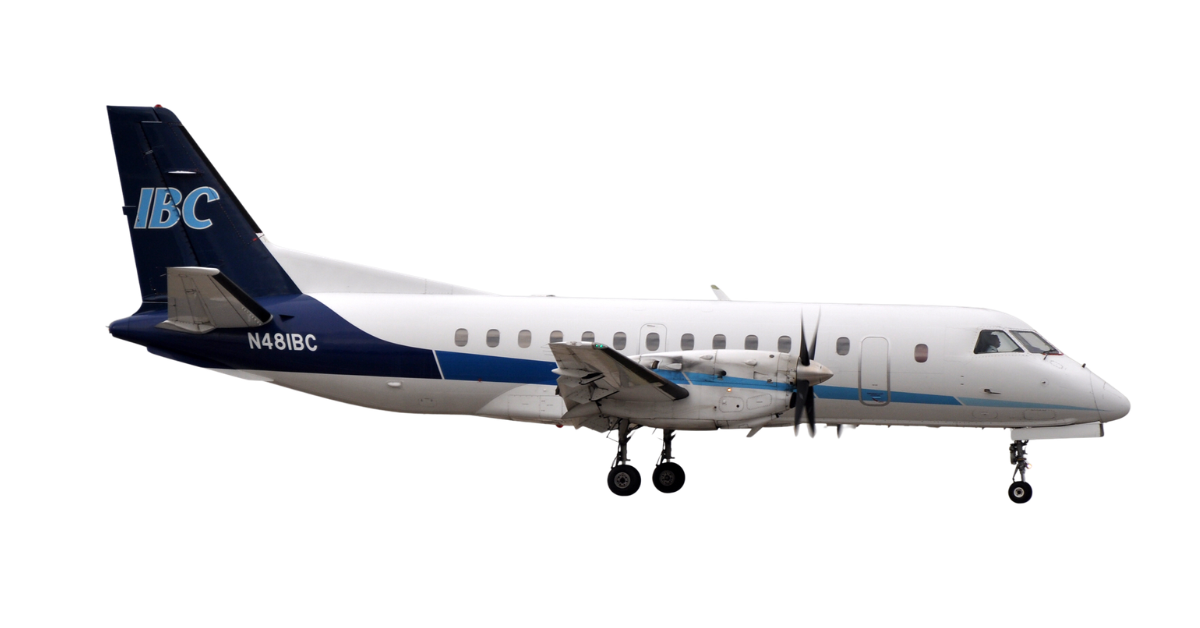
IBC Airways sits in that niche corner of aviation most travelers barely notice — small, practical, and quietly essential. Founded in 1991, the carrier focuses on regional cargo and limited passenger charter operations across the Caribbean and parts of the Americas. Not flashy. No oversized branding battles. Just steady flights moving people, parcels, and sometimes urgent shipments between island communities where air links are more necessity than luxury.
Operations revolve around efficiency rather than spectacle. Short-haul hops, tight schedules, and aircraft suited to compact runways define the airline’s rhythm. Some travelers stumble upon the airline through charter bookings, others through freight forwarding partners. Either way, expectations shift quickly — this is functional aviation, stripped of unnecessary bells and whistles.
Hub and Operations
Primary operations are centered at Miami International Airport, which works as the airline’s logistical anchor. From here, aircraft fan out toward Caribbean destinations including Haiti, the Bahamas, and neighboring island markets. The hub choice makes sense — Miami acts as a commercial gateway between North America and the Caribbean, blending cargo demand with diaspora travel patterns.
Flights often operate on flexible schedules. Cargo demand fluctuates, weather plays its unpredictable Caribbean game, and smaller fleets mean aircraft utilization needs careful balancing. Delays happen sometimes — island flying isn’t always smooth sailing — but turnaround times remain impressively quick given the constraints.
Cabin Classes
IBC Airways does not run a traditional multi-class commercial cabin structure. The airline’s passenger services are primarily charter-based, meaning cabin layouts depend on aircraft configuration and booking type rather than a rigid class system.
Economy
When passenger charters are available, seating resembles a straightforward economy setup. Compact rows, practical legroom, minimal frills. Think commuter flight energy — short, purposeful, and over before comfort becomes a major talking point.
Premium Economy
No dedicated premium economy cabin exists. Occasionally, charter arrangements may provide extra spacing or customized seating plans, but these are booking-specific rather than standardized offerings.
Business Class
A formal business class is absent. Charter clients, corporate groups, or medical transport bookings may receive tailored cabin arrangements that mimic business-style privacy, though this depends entirely on contract requirements.
Destination and Route Network
The airline’s route network leans heavily toward cargo corridors linking Florida with Caribbean markets. Haiti remains a key destination, with additional operations reaching the Bahamas, Turks and Caicos, and select Central American points depending on demand.
Passenger flights appear mostly in charter form — government missions, corporate travel, humanitarian operations, or group bookings. This flexible model allows route adjustments without the burden of maintaining scheduled commercial commitments.
The route map changes occasionally. Some destinations pop up during relief efforts or seasonal cargo demand spikes. Others quietly fade. A living network — always shifting, rarely static.
Fleet and Aircraft Details
Fleet composition reflects the airline’s regional focus. Aircraft are chosen for reliability, cargo capacity, and ability to operate from shorter runways common across island airports.
- Saab 340 — versatile turboprop used for both cargo and passenger charter work
- Fairchild Swearingen Metroliner — compact aircraft ideal for quick regional hops
- Dassault Falcon 20 — occasionally deployed for specialized cargo missions
These aircraft may not grab aviation headlines, but they’re workhorses. Durable, adaptable, and built for demanding operating environments. The Saab 340, in particular, remains a favorite — sturdy enough for cargo loads yet flexible for passenger configuration when needed.
IATA Code and Airline Code
- IATA Code: II
- ICAO Code: CSQ
- Callsign: CHASQUI
Codes matter more behind the scenes than travelers realize. They drive scheduling systems, cargo tracking, and air traffic coordination. Quiet identifiers keeping operations stitched together.
Flight Experience
The onboard experience is pragmatic. Short flights, functional seating, and a focus on punctual cargo handling shape the journey. Passengers expecting entertainment screens or elaborate meal services might feel a slight “ugh” moment — but honestly, most flights are brief enough that simplicity works fine.
Crew interactions often stand out. Smaller airlines tend to feel more personal, less scripted. Conversations happen. Questions get answered directly. That sense of familiarity softens the no-frills environment.
Noise levels can be higher due to turboprop aircraft — earphones help. Cabin service remains limited, usually water or light refreshments depending on charter arrangements.
Policies
Policies vary based on flight type. Cargo shipments follow freight agreements with detailed documentation requirements, weight restrictions, and customs procedures. Passenger charters operate under contract-specific terms covering baggage allowance, schedule flexibility, and cancellation conditions.
Weather disruptions occasionally influence operations. Caribbean storms, sudden rainfall bursts, runway limitations — these factors shape scheduling realities. Flexibility becomes part of the travel mindset when flying regional carriers.
Online Services
Digital services remain basic compared to large commercial airlines. Online booking tools for passenger travel are limited due to charter-focused operations. Cargo tracking and booking often occur through logistics partners or direct coordination with the airline’s operations team.
Customer communication typically relies on email and phone contact. Not glamorous, but effective. Sometimes old-school systems just get the job done without unnecessary complexity.
Official Website
The official website provides operational updates, contact details, and general service information:
www.ibcairways.com
The site leans toward functionality over design flair. Freight clients find the information they need quickly, charter inquiries get routed efficiently, and that’s mostly the point.




Leave a Reply