

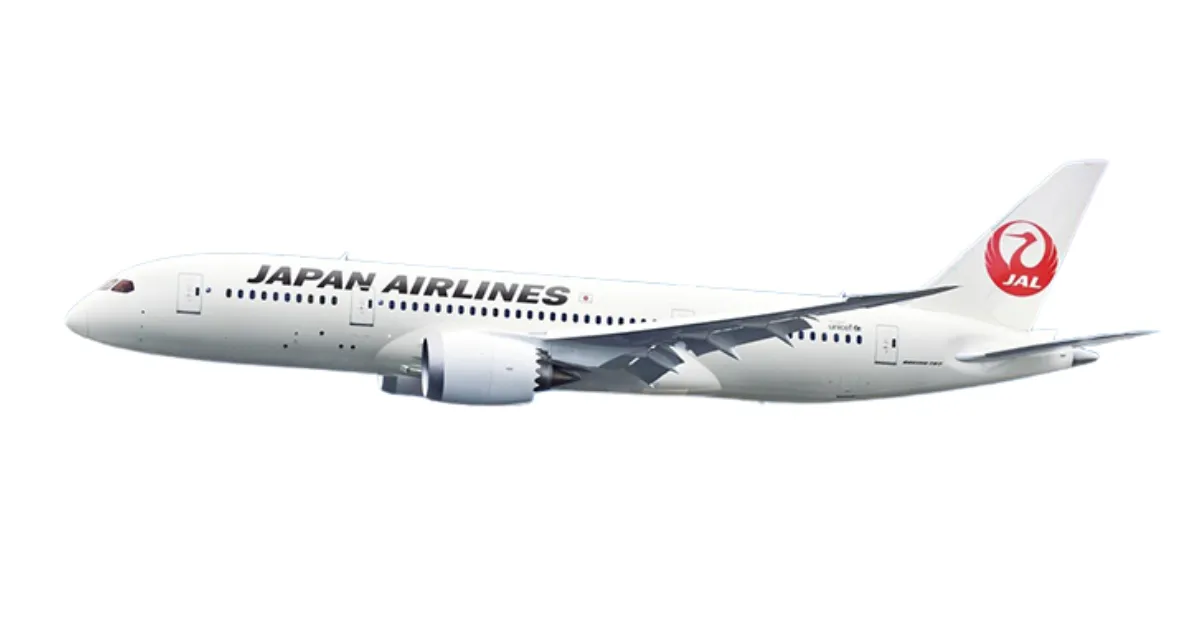
Japan Airlines overview
Flying across the Pacific at 35,000 feet—long hours, tiny windows, random snack cravings—yet some airlines make the ride feel oddly calm. (often called JAL) has built a reputation around quiet efficiency, polite cabin service, and schedules that rarely drift too far off track. Founded in 1951, the airline grew from a small domestic operator into one of Asia’s most recognized global carriers, linking Japan with North America, Europe, Oceania, and dozens of Asian destinations. Travelers often describe the experience as understated rather than flashy—clean cabins, respectful service, and meals that feel thoughtfully prepared instead of mass-produced. Not perfect every day, sure, but generally dependable.
Hub and Main Operations
The airline’s primary base is one of the busiest airports in the world and the closest major gateway to central Tokyo. Additional long-haul operations run from Tokyo Narita, Osaka Kansai, and several regional Japanese airports.
Domestic connectivity is a big deal here. Japan’s island geography demands frequent short-haul flights, so the airline operates hundreds of daily domestic departures—quick hops, efficient boarding, fast turnarounds, repeat.
Cabin Classes and Flight Experience
Japan Airlines offers multiple cabin options designed around comfort rather than hype. Economy, Premium Economy, Business Class, and First Class appear on most long-haul routes, while domestic flights usually feature simplified configurations.
Passengers often notice the quietness of the cabin crews—less chatter, more attentive observation. Need water? Someone usually appears before the call button gets pressed. Small things, but they add up over a 12-hour flight.
Economy Class
Economy seats focus on legroom that feels slightly more generous than average international standards. Adjustable headrests, personal entertainment screens, USB charging, and meals inspired by Japanese and international menus are standard.
Long-haul travelers often appreciate the structured meal service timing—no guessing when food is coming. Snacks appear between services, sometimes unexpectedly (a welcome surprise at 2 a.m.).
Premium Economy
Premium Economy provides wider seating, deeper recline, and dedicated check-in counters at many airports. Extra baggage allowance is included, which frequent travelers quietly celebrate. Lounges are sometimes available depending on fare type and loyalty status.
The cabin feels calmer—fewer seats, less traffic, easier aisle access.
Business Class
Business Class cabins feature lie-flat seats, privacy partitions, restaurant-style dining service, and amenity kits stocked with travel essentials. Storage compartments are practical (finally), and bedding quality tends to stand out compared to many competitors.
Some aircraft offer the airline’s “Sky Suite” seating layout, designed to maximize personal space while keeping cabin density efficient.
Destination and Route Network
Japan Airlines operates flights to more than 90 destinations worldwide. Major international routes connect Tokyo with cities such as New York, Los Angeles, London, Paris, Bangkok, Singapore, Sydney, and Helsinki.
Domestic coverage is equally extensive, linking large metropolitan centers with smaller regional airports—important for both tourism and business travel. Seasonal adjustments happen often, especially during peak travel months when additional frequencies are introduced.
Fleet and Aircraft Details
The airline maintains a modern fleet composed mainly of Boeing aircraft, including the Boeing 737 for regional routes, Boeing 767 and 787 Dreamliner for medium- and long-haul flights, and Boeing 777 aircraft for high-demand international services.
Cabin upgrades roll out gradually across the fleet, meaning travelers might occasionally encounter different seat styles depending on aircraft assignment—one of those travel quirks nobody fully escapes.
Airline Codes and Key Facts
- IATA Code: JL
- ICAO Code: JAL
- Main Hub: Tokyo Haneda Airport
- Frequent Flyer Program: JAL Mileage Bank
- Alliance Membership: Oneworld Alliance
Official Website and Online Services
The airline’s official website, www.jal.com, supports online booking, seat selection, mobile boarding passes, mileage redemption, and real-time flight status updates.
Passengers can manage reservations, request special meals, prepay baggage, or adjust itineraries directly through the booking dashboard. Mobile apps provide similar functions, along with notifications about boarding times and gate changes—useful when navigating massive international terminals.
Policies and Travel Services
Baggage allowances vary by route and fare class, though international tickets usually include at least one checked bag. Carry-on limits follow standard international safety rules, and special baggage—sports equipment, musical instruments—can be checked with advance notice.
Customer support centers operate globally, offering phone, airport counter, and digital chat assistance. Response speed can vary during peak seasons (holiday rush—ugh), but overall support ratings remain strong compared with many large international carriers.
Why Travelers Choose Japan Airlines
Consistency. That’s the word many frequent flyers mention. Meals arrive on time, seats stay clean, crews remain polite without feeling robotic, and schedules usually hold steady even during busy travel periods. Not flashy. Not dramatic. Just steady flying that quietly does its job—sometimes that’s exactly what long-haul travelers want.

|

|

|

|

|

|

|

|

|




Leave a Reply