

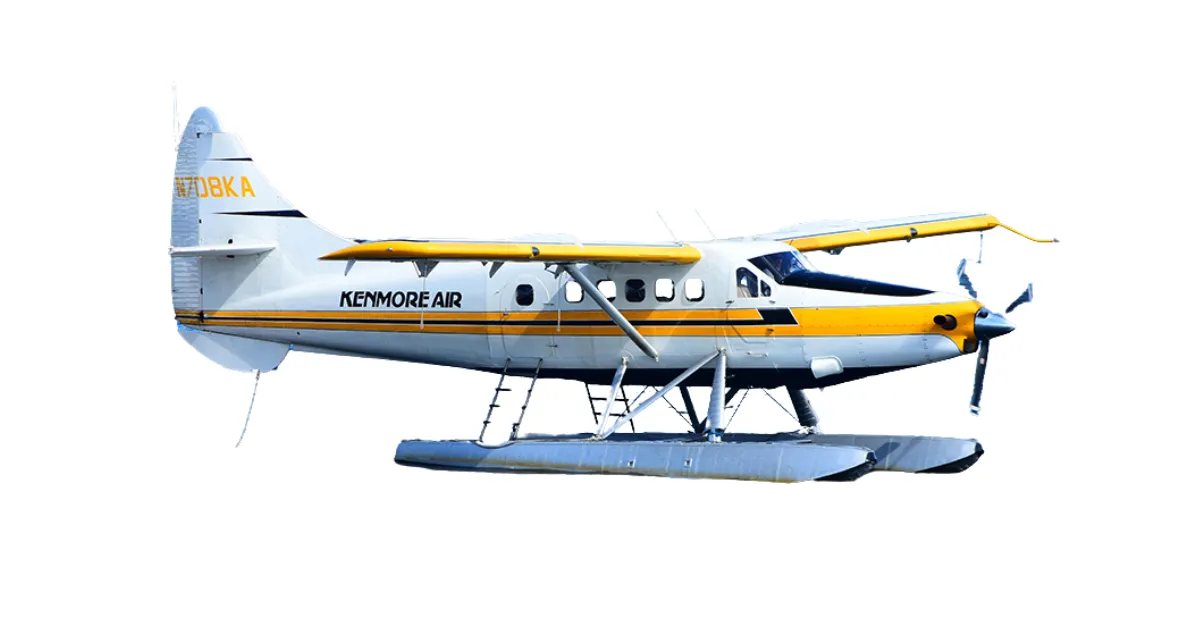
Small planes. Big views. That’s the mood with Kenmore Air. Officially known as Kenmore Air Harbor, Inc., this Washington-based airline has been flying since 1946. It’s not the kind of carrier with massive jets and endless boarding zones—nope. This is the Pacific Northwest in its purest, slightly misty form. The airline specializes in seaplane and regional landplane services. Think floatplanes lifting off sparkling water, not long security lines and crowded terminals. It’s practical, a bit adventurous, and honestly refreshing if standard airport chaos feels exhausting.
Hub and Operations
Kenmore Air operates primarily from Kenmore Air Harbor in Kenmore, Washington. Key operations also run through Seattle’s Lake Union and Boeing Field. The airline connects smaller communities across Washington State and parts of British Columbia. Operations focus heavily on short-haul routes. Efficient scheduling. Tight turnaround times. Pilots who know the coastline like the back of their hand. Weather plays a role—this is the Pacific Northwest, after all—so flexibility sometimes matters.
IATA Code and Airline Code
Kenmore Air’s IATA code is M5. Its ICAO airline code is KEN. Not the codes travelers memorize, but they show up in booking systems and flight schedules when planning regional trips.
Fleet and Aircraft Details
This is where things get interesting. The fleet isn’t built around Boeing 737s or Airbus jets. Instead, Kenmore Air is famous for operating float-equipped aircraft.
The airline operates aircraft such as:
- De Havilland Canada DHC-2 Beaver (floatplanes)
- De Havilland Canada DHC-3 Otter
- Cessna Caravan
- Pilatus PC-12 (land-based regional service)
The Beaver floatplanes? Iconic. Rugged, dependable, almost nostalgic. There’s something about boarding from a dock instead of a jet bridge—it feels personal, even cinematic. The fleet is maintained in-house, and Kenmore Air is actually one of the world’s largest operators of the Beaver aircraft. Old-school reliability, still doing the job.
Cabin Classes
Let’s be clear—Kenmore Air is a regional carrier. Don’t expect multi-tier luxury cabins. The setup is straightforward.
Economy Class
All flights are essentially economy seating. Simple seats. Compact cabins. No elaborate cabin divisions. Passengers sit close to the cockpit on many aircraft, and yes, engine noise is part of the experience. It’s not uncomfortable, just real. This is aviation stripped down to the basics.
Premium Economy
There is no separate premium economy cabin. Space varies slightly depending on aircraft type, but upgrades like extra legroom sections are not standard. On smaller planes, every seat feels somewhat “premium” in its own way—window views dominate the experience.
Business Class
Business class doesn’t exist in the traditional sense. No lie-flat seats. No curtain separating cabins. However, charter services offer a more exclusive feel. Entire aircraft can be reserved for private group travel, which naturally creates a business-style experience without labeling it that way.
Destinations and Route Network
Kenmore Air connects Seattle with destinations across Washington State and British Columbia. Popular routes include:
- Seattle to Friday Harbor
- Seattle to Victoria, BC
- Seattle to Orcas Island
- Seattle to Port Angeles
Many routes serve island communities in the San Juan Islands. For residents and travelers alike, these flights aren’t just scenic—they’re practical. Ferries can take hours. Driving? Sometimes not even possible. A floatplane cuts that travel time dramatically. The airline also offers seasonal routes and scenic flight tours. And those scenic tours—clear days over Puget Sound with snow-dusted mountains in the distance—hard to complain about that view.
Flight Experience
Boarding is quick. Almost surprisingly quick. No endless announcements. No maze-like terminals. Bags are weighed carefully because weight balance matters on smaller aircraft. It’s efficient, though sometimes it feels slightly informal compared to big commercial carriers. Cabins are compact. Engine sounds are noticeable. Some passengers love the raw aviation feel; others need a moment to adjust. The upside? Views that airlines at 35,000 feet simply can’t offer. Water below. Forests everywhere. Sometimes wildlife visible if eyes are sharp enough. In-flight service is minimal—no full beverage carts rolling down aisles. Flights are short, so snacks and drinks are not a big feature. It’s transportation first, experience second—though ironically the scenery steals the show.
Online Services and Booking
Kenmore Air provides online booking through its official website. Flight schedules, fare options, and charter details are available there. The booking system is straightforward and easy to navigate. Passengers can manage reservations, check route details, and review baggage policies online. Charter requests and scenic flight bookings are also handled digitally. The site keeps things simple—no clutter, no endless upselling prompts popping up every few seconds (a relief, honestly).
Baggage Policy
Because aircraft are smaller, baggage limits are stricter than those of major airlines. Weight restrictions are enforced carefully. Carry-ons and checked baggage allowances depend on aircraft type and route. Oversized or heavy items may require advance coordination. It’s not flexible like big jet operations—weight and balance are serious business on floatplanes.
Official Website
Official website: www.kenmoreair.com ,The website provides flight schedules, charter services, scenic tour details, and policy information. It also lists contact options for customer support and operational updates.
Charter and Special Services
Private charters are a significant part of Kenmore Air’s business model. Groups can book aircraft for business trips, island transfers, or custom travel needs. It’s flexible, tailored, and often faster than piecing together ferry connections. Cargo services are also available on select routes. Small communities depend on these deliveries—mail, essential goods, sometimes time-sensitive items. Kenmore Air isn’t built for long-haul luxury seekers. It’s built for connectivity—short hops, island life, water landings, and that slightly thrilling moment when the plane skims across the surface before lifting off. Some love it instantly. Others need a deep breath before takeoff. Either way, it’s aviation with character.



Leave a Reply