

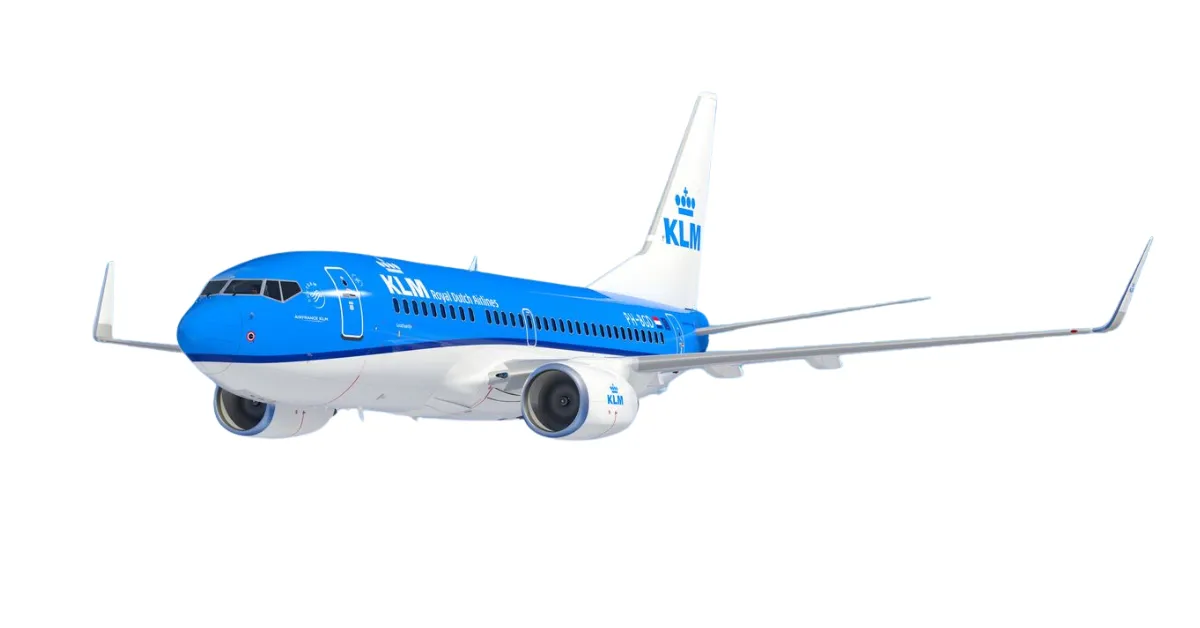
Long layovers, early alarms, last-minute gate changes—air travel can feel messy. Yet KLM Royal Dutch Airlines keeps things surprisingly steady. Known officially as KLM Royal Dutch Airlines (Koninklijke Luchtvaart Maatschappij), this Dutch flag carrier has been around since 1919 and still flies under its original name. That alone says something. Based in the Netherlands, it carries millions of passengers every year across Europe, Asia, the Americas, Africa, and the Middle East.
Overview of KLM Royal Dutch Airlines
KLM Royal Dutch Airlines is part of the Air France–KLM Group and a founding member of the SkyTeam alliance. The airline’s IATA code is KL, and its ICAO airline code is KLM. The official website is www.klm.com, where travelers can book tickets, manage reservations, check in online, and track flights without much fuss.
Operations run primarily from its main hub at Amsterdam Airport Schiphol (AMS). Schiphol is busy—really busy—but it is also organized in a way that makes connections smoother than expected. KLM uses this airport as its central connecting point, linking smaller European cities to long-haul international destinations. Tight transfers? Sometimes. Efficient? Often, yes.
Hub and Main Operations
The heart of KLM’s global network is Amsterdam Airport Schiphol. From there, the airline operates both short-haul and long-haul services. Regional flights connect cities across Europe—Paris, Berlin, Madrid, Copenhagen—while long-haul aircraft head toward New York, Tokyo, Dubai, Nairobi, and São Paulo.
KLM also works closely with Air France at Paris Charles de Gaulle Airport, giving passengers flexible route options across two major European hubs. It’s a practical setup. Miss one connection, there may be another not too far behind.
Destinations and Route Network
KLM serves more than 160 destinations worldwide. The network spreads wide across Europe, North America, South America, Africa, Asia, and the Caribbean. Business routes. Leisure escapes. Unexpected city pairs. The airline is known for strong connectivity between secondary European cities and major intercontinental destinations.
Flights between Amsterdam and cities like New York, Los Angeles, Toronto, Singapore, and Johannesburg remain among its most popular long-haul services. Seasonal adjustments happen depending on demand—summer routes expand, winter routes shift. Standard airline rhythm.
Fleet and Aircraft Details
KLM operates a modern and mixed fleet of over 110 aircraft. The long-haul fleet includes Boeing 777, Boeing 787 Dreamliner, and Airbus A330 aircraft. The Dreamliner, especially, gets quiet praise from frequent travelers for its quieter cabin and improved air pressure—small details that matter on 10-hour flights.
For short and medium routes, KLM uses Boeing 737 aircraft and Embraer regional jets operated by KLM Cityhopper. These planes handle European traffic efficiently, hopping between cities in under three hours. Quick flights. No drama.
Cabin Classes and Flight Experience
KLM offers three primary cabin classes on most long-haul flights: Economy Class, Premium Comfort Class (Premium Economy), and World Business Class. Each class is designed for different travel needs—budget trips, comfort seekers, and business travelers who prefer extra space and privacy.
Economy Class
Economy Class on KLM long-haul flights provides standard seat pitch with personal entertainment screens and complimentary meals. Short-haul flights within Europe may include buy-on-board snack options, though drinks are typically included. Seats are practical. Nothing flashy. But service tends to be warm and polite, which softens the experience a bit.
In-flight entertainment includes movies, TV shows, music playlists, and games. Wi-Fi is available on many aircraft for a fee. Not every plane has it yet—still rolling out—but coverage continues to grow.
Premium Comfort Class
Premium Comfort Class, introduced on selected long-haul routes, sits between Economy and Business. Seats are wider, recline further, and come with extra legroom. Meal service is upgraded compared to Economy, and checked baggage allowance is higher. It’s a middle ground that feels sensible—especially for overnight flights when sleep actually matters.
World Business Class
World Business Class features lie-flat seats on long-haul routes, direct aisle access on newer aircraft, and priority services at the airport. Dining is restaurant-inspired, with multi-course meals and curated beverages. Amenity kits and bedding are included. The cabin design leans Dutch—clean lines, subtle colors, practical elegance.
Priority check-in, fast-track security at select airports, and lounge access complete the experience. For many business travelers, predictability is key. KLM delivers that steady rhythm.
Online Services and Travel Policies
The official website, www.klm.com, allows passengers to book flights, choose seats, purchase extra baggage, and request special meals. Online check-in opens 30 hours before departure for most flights, and 24 hours for flights to or from the United States.
Refund and change policies vary depending on fare type. Flexible tickets allow modifications with fewer penalties, while lower fares may involve change fees. Baggage allowance depends on cabin class and route. Economy Light fares, for example, may not include checked baggage—worth double-checking before heading to the airport.
Flying Blue, the frequent flyer program shared with Air France, rewards regular travelers with miles that can be redeemed for flights, upgrades, and other services. Status levels offer perks like priority boarding and extra baggage. For frequent flyers, those small perks add up fast.
In-Flight Experience
Cabin crew service is often described as friendly and efficient. Announcements are clear. Meals are typically European in style, with vegetarian and special dietary options available when requested in advance. Coffee quality? Surprisingly decent at 35,000 feet.
Entertainment systems are touchscreen on most long-haul aircraft. Noise levels on the Boeing 787 Dreamliner are noticeably lower, which makes overnight flights less exhausting. Little things. Big difference.
KLM also emphasizes sustainability efforts, including fleet renewal and the use of sustainable aviation fuel on select routes. Aviation is complex—no airline is perfect—but steps toward lower emissions are part of its current strategy.
Key Facts at a Glance
- Airline Name: KLM Royal Dutch Airlines
- IATA Code: KL
- ICAO Code: KLM
- Main Hub: Amsterdam Airport Schiphol (AMS)
- Alliance: SkyTeam
- Fleet Size: 110+ aircraft
- Destinations: 160+ worldwide
- Official Website: www.klm.com
KLM Royal Dutch Airlines blends heritage with modern service. Solid network. Reliable operations. A cabin crew that often feels genuinely human. Air travel always has its hiccups—weather, delays, crowded terminals—but this airline tends to handle the chaos with steady hands and that understated Dutch calm.




Leave a Reply