
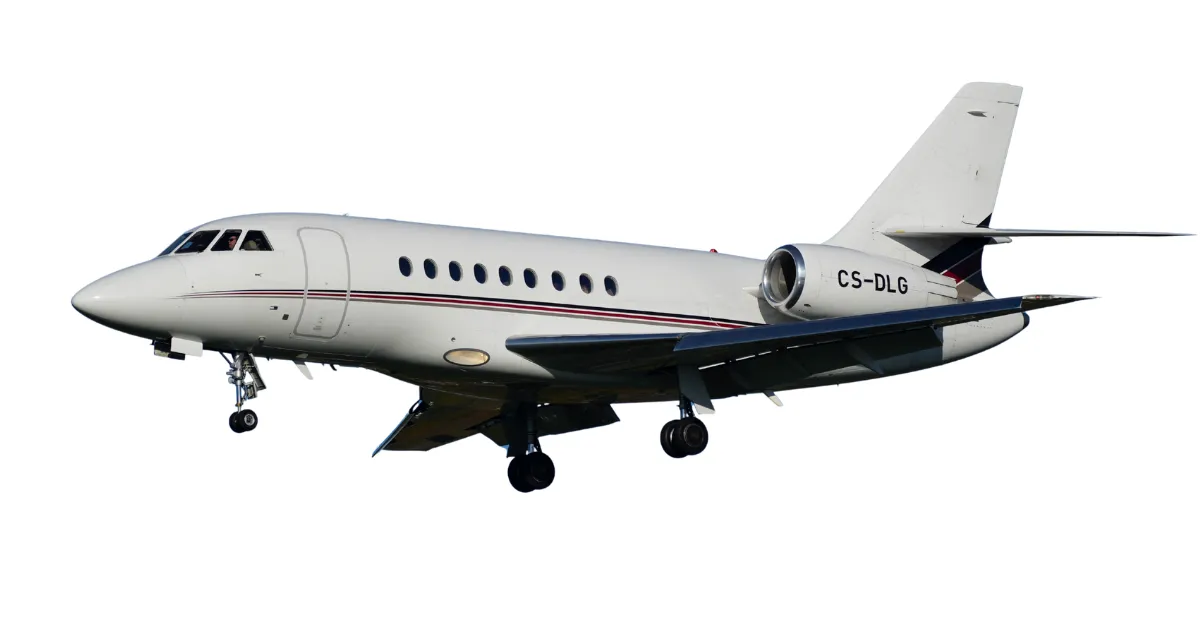
NetJets is not a regular commercial airline. No crowded boarding gates. No economy rows. No fighting for overhead bin space. NetJets is a private aviation company offering fractional jet ownership, leases, and jet card programs. It was founded in 1964 and later became part of Berkshire Hathaway. The business model? Share the cost of a private aircraft instead of owning one outright. Smart. Expensive—but smart. Headquarters sit in Columbus, Ohio. Operations stretch across the United States and Europe. The company operates one of the largest private jet fleets in the world, and yes, that scale matters when scheduling flexibility is the whole point.
Hubs and Operations
There isn’t a traditional hub-and-spoke system here. Aircraft are positioned based on demand. Still, major operational bases include Columbus, Ohio, along with key centers in London and Lisbon for European services. Jets move constantly—repositioning flights, client pickups, crew rotations. It’s a living, breathing network. Flights operate under Part 135 and Part 91 regulations in the U.S., depending on ownership structure. The company runs 24/7. Holidays? Weekends? Stormy Tuesdays? The schedule bends around the client, not the other way around.
Cabin Classes
Here’s where it gets different. There is no economy, no premium economy, and no traditional business class. Every flight is effectively a private class. The aircraft size determines the experience.
Light Cabin Jets
Perfect for short trips—quick hops under three hours. Seating typically for 6–7 passengers. Compact but polished. Think quiet productivity or relaxed conversation without interruption.
Midsize and Super-Midsize Jets
More range. More room. Ideal for coast-to-coast U.S. travel. Seating for 7–9 passengers, enclosed lavatories, stand-up cabins. Comfortable without feeling excessive.
Large Cabin Jets
Intercontinental capability. Full-service galley. Separate seating zones. Long-haul comfort that commercial business class tries—sometimes fails—to imitate. So while “economy” technically doesn’t exist here, the experience far exceeds traditional premium travel categories.
Destinations and Route Network
NetJets flies to more than 5,000 airports in over 200 countries and territories. That’s the real advantage. Commercial airlines serve major hubs. NetJets serves regional airports, private terminals, smaller executive fields—places most travelers never see. Need to land closer to a remote business site? A coastal island with a short runway? That flexibility changes the game. The network adapts around customer needs rather than publishing a seasonal timetable.
Fleet and Aircraft Details
The fleet includes over 800 aircraft globally. It features models from manufacturers like Cessna, Bombardier, Embraer, and Gulfstream. Popular aircraft include:
- Cessna Citation Latitude
- Bombardier Challenger 350
- Embraer Phenom 300
- Gulfstream G450
Each aircraft type serves a purpose—short-haul efficiency, transcontinental range, or long-haul luxury. Maintenance standards are strict, handled through approved service centers and internal oversight programs. Safety ratings consistently rank high in private aviation benchmarks.
IATA Code and Airline Code
Here’s something people often search for—NetJets does not operate like a commercial airline with a standard public IATA ticket code for booking. However:
- IATA Code: EJA (NetJets Aviation, U.S. operations)
- ICAO Code: EJA
- Callsign: EXECJET
European operations use different certifications under NetJets Europe.
Flight Experience
Boarding feels almost suspiciously easy. Arrive 10–15 minutes before departure. Walk through a private terminal (often an FBO—Fixed Base Operator). No TSA line chaos. No gate changes. Just step onto the aircraft. Cabin service depends on trip length and passenger preference. Catering is customizable. Some clients want a full dining setup. Others just coffee and quiet. The environment stays calm, quiet, and controlled. No crying babies from row 22. No overhead announcements every twenty minutes. Wi-Fi is available on most aircraft. Cabin layouts vary by jet type, but leather seating, fold-out tables, and ample legroom are standard. It’s less about flash and more about function—though yes, it can feel indulgent.
Policies and Ownership Programs
NetJets operates through fractional ownership, leasing, and jet cards. Fractional ownership involves purchasing a share of a specific aircraft model, which guarantees a set number of flight hours annually. Jet cards provide prepaid hours without asset ownership. Leasing offers mid-term flexibility. There are contractual commitments—this is not a casual purchase. Costs include acquisition fees, monthly management fees, and occupied hourly rates. Pricing reflects aircraft size and usage patterns. Not cheap. Not supposed to be.
Online Services
The official website allows prospective clients to explore programs, request quotes, and review fleet options. Existing owners gain access to scheduling tools and account management features. Flight requests can be submitted digitally or through dedicated service teams. Mobile access exists for booking and itinerary management. The interface focuses on scheduling efficiency rather than flashy visuals. Direct. Practical. No clutter.
Official Website
Official Website: https://www.netjets.com NetJets continues to dominate the fractional jet market with scale, operational depth, and brand reputation tied to Berkshire Hathaway ownership. The service isn’t designed for occasional vacation flyers—it’s built for executives, corporations, and high-frequency travelers who value time over ticket price.




Leave a Reply