

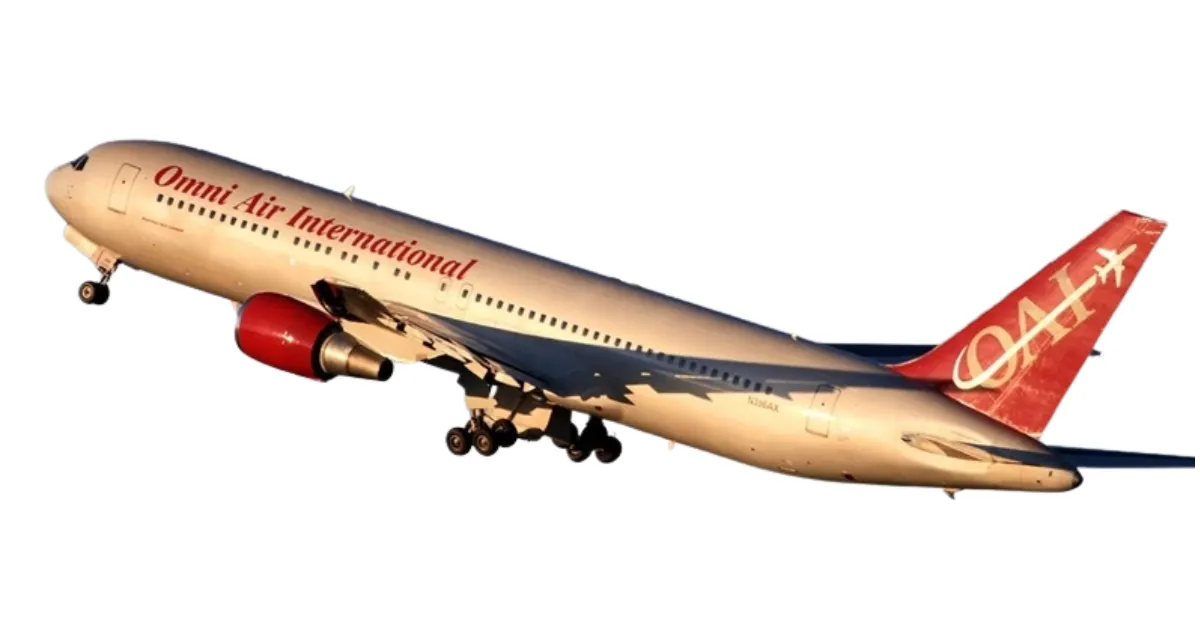
Omni Air International sits in a curious space within aviation. Not a typical scheduled airline, not a private jet operator either — somewhere in between. The airline mainly focuses on charter operations, moving military personnel, sports teams, corporate groups, and occasionally leisure travelers. Founded in 1993, the company has built a reputation for flexible global travel solutions where reliability matters more than flashy branding.
Passengers rarely book Omni flights through traditional booking engines. Instead, travel happens through contracted charters, government missions, or tour operators. That setup changes the flying experience a bit — less chaos, fewer crowds, and a very mission-driven vibe onboard.
Hub and Operations
The airline’s primary operational base is Tulsa International Airport in Oklahoma. Maintenance, training, and logistics activity revolve around this hub, though aircraft are frequently positioned worldwide depending on charter demands. On any given week, jets may operate across Europe, the Middle East, Asia, or North America — sometimes hopping continents overnight.
Operational flexibility defines Omni’s identity. Routes aren’t permanent. Schedules shift. Charter clients drive everything. Sounds unpredictable, yet the airline runs a tight system behind the scenes with strong operational planning.
Cabin Classes
Cabin configurations vary because aircraft are tailored to each charter contract. Still, Omni generally offers three service tiers that resemble traditional airline cabins.
Economy Class
Economy cabins are practical and straightforward. Seats are comfortable enough for long-haul flights, offering reasonable pitch and personal entertainment access on selected aircraft. Meal service depends on contract arrangements — sometimes full hot meals, sometimes simpler boxed options. It’s functional travel, no gimmicks.
Premium Economy
Premium economy provides a bit more breathing space — wider seats, improved recline, and upgraded meal service when available. This cabin often appears on military charters or group tours where longer flights demand extra comfort without stepping into business class territory.
Business Class
Business class is where Omni’s charter nature really shows. Seats may convert into lie-flat beds on certain aircraft, offering privacy and upgraded dining. Cabin service feels attentive yet relaxed — less scripted airline behavior, more human interaction. Occasionally inconsistent, sure, but generally solid.
Destination and Route Network
There’s no fixed route map, which feels strange if you’re used to standard airlines. Omni’s aircraft operate worldwide based on contract demand. Frequent destinations include major European cities, Middle Eastern transit hubs, Asian military bases, and North American charter routes.
Sports charters, troop movements, pilgrimage flights, corporate travel — the network constantly shifts. Some weeks are heavy transatlantic runs, other weeks lean toward Pacific operations. A moving puzzle, honestly.
Fleet and Aircraft Details
Omni Air International operates a wide-body fleet suited for long-haul charter missions. Aircraft types typically include:
- Boeing 767 variants
- Boeing 777 aircraft
The Boeing 767 forms the backbone of operations due to its versatility and efficient range. Meanwhile, Boeing 777 aircraft handle higher-capacity missions and ultra-long-haul routes. Interiors are customized depending on charter requirements, which explains why cabin layouts can feel slightly different across flights.
IATA Code and Airline Code
Omni Air International uses the following identifiers:
- IATA Code: OY
- ICAO Code: OAE
- Callsign: Omni Express
These codes appear on operational documents, charter schedules, and aviation tracking platforms rather than mainstream booking systems.
Flight Experience
Flying with Omni Air International feels… different. Quieter airports sometimes, faster boarding, fewer public announcements. The absence of commercial airline chaos can be refreshing — though expectations should stay realistic since services vary by charter contract.
Cabin crew interactions often feel personable and less robotic. Meals range from surprisingly good to average airline fare (ugh, depends on contract catering). Entertainment systems exist on select aircraft, while others rely on shared overhead screens. Wi-Fi availability also varies.
Still, reliability and safety remain consistent strengths. The airline holds FAA certification and maintains strict compliance standards, which matters far more than onboard frills for most charter clients.
Online Services
Because Omni operates primarily as a charter airline, digital passenger services differ from scheduled carriers. Online booking tools are limited for individual travelers. Charter clients coordinate travel through contract management teams instead.
The airline’s website provides corporate information, charter request forms, and operational updates. Flight status tracking is typically handled through charter coordinators rather than public portals. Not the smoothest digital journey, admittedly, but logical given the business model.
Policies
Travel policies depend heavily on charter agreements. Baggage allowances, seat selection, meal service, and cancellation terms vary by contract. Military charters follow Department of Defense guidelines, while corporate charters negotiate custom policies.
Safety procedures mirror major international airline standards, including FAA oversight, routine maintenance checks, and crew training programs.
Official Website
The airline’s official website is:
www.omniairintl.com
The site offers charter inquiries, company background, fleet details, and career opportunities. Not flashy. Straightforward. Functional.




Leave a Reply