

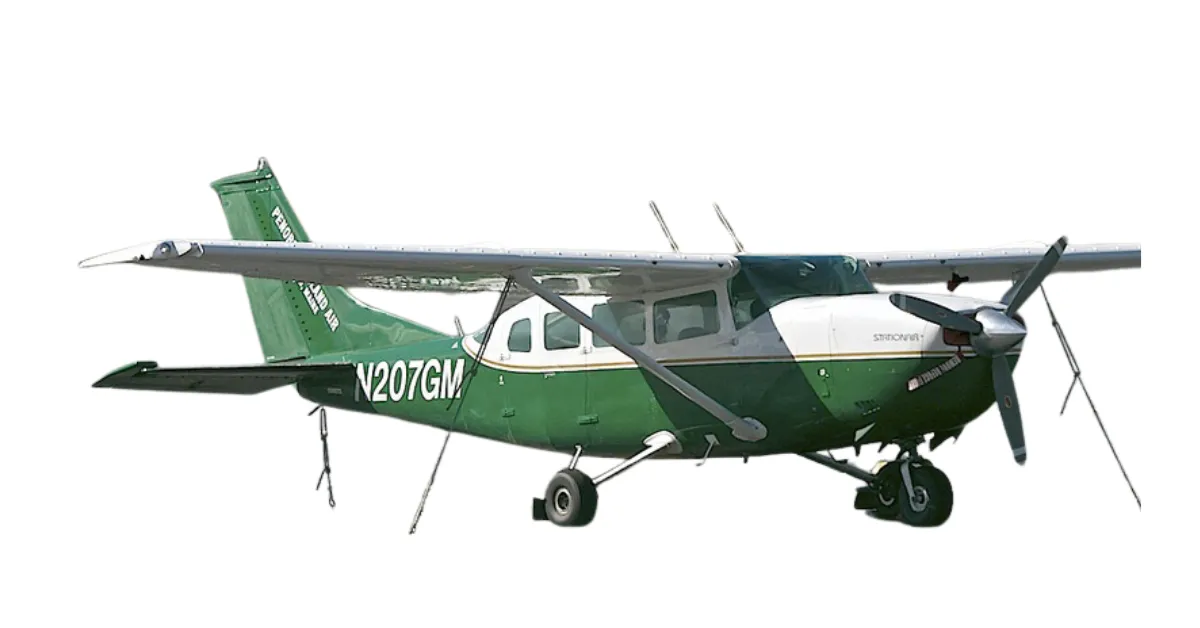
Penobscot Island Air is a small regional airline based in Maine, known for short scenic flights linking coastal towns and island communities. The airline has built a reputation around reliability, local knowledge, and a no-fuss travel approach. Flights often feel personal — not in a luxury way, more like a neighborhood shuttle with wings. Travelers heading toward remote fishing villages, vacation cabins, or business stops across Penobscot Bay usually find this carrier quietly doing its job without much marketing noise.
Operations focus on practicality. Weather changes, tide schedules, and seasonal demand all influence daily flight activity. That unpredictability might sound messy, yet the airline’s flexibility becomes its biggest strength. Quick turnarounds, small aircraft, and experienced pilots keep routes moving even when coastal conditions turn stubborn.
Hub and Operations
The primary hub sits at Knox County Regional Airport in Rockland, Maine. From here, flights fan out toward island destinations scattered across Penobscot Bay. The airline also uses several smaller airfields and seaplane bases depending on route requirements. Operations lean heavily on visual flight rules, short runway capabilities, and pilots familiar with coastal terrain — a skillset that feels rare but essential.
Schedules aren’t always rigid. Charter flights, medical transfers, cargo deliveries, and mail transport often share priority with passenger services. Some days run like clockwork. Other days? Slight delays — usually weather-related — are part of the coastal aviation rhythm.
Cabin Classes
Cabin class structure is simple. No elaborate tier system, no curtain dividing seats. The airline primarily operates a single-class layout across its fleet. Comfort varies slightly by aircraft type, yet the experience stays consistent: compact seating, wide windows, and strong emphasis on safety over extras.
Economy Class
Economy seating represents the standard experience. Seats are functional and close together, though flight durations are short enough that discomfort rarely becomes a real complaint. The biggest perk is the view — rugged coastline, boats drifting below, patches of forest, and the Atlantic stretching endlessly.
Premium Economy
Premium economy isn’t formally branded. Some charter aircraft offer slightly roomier seating or fewer passengers onboard, creating a quasi-premium feel. It’s more circumstance than product design.
Business Class
Traditional business class does not exist. Charter services, however, allow customized travel arrangements for corporate travelers needing privacy or flexible departure times. That’s where the airline quietly steps into business aviation territory.
Destination and Route Network
Route coverage centers on Maine’s mid-coast and island communities. Regular destinations include Vinalhaven, North Haven, Matinicus, and Isle au Haut. These routes play a crucial role in connecting residents with mainland services such as healthcare, groceries, and business travel.
Seasonal demand drives additional charter routes. Summer tourism brings a noticeable spike in flights as vacationers seek quick island access instead of ferry travel. Charter flights also extend beyond Maine, occasionally connecting to neighboring states for private travel needs.
Fleet and Aircraft Details
The fleet is small yet purpose-built for short regional hops. Aircraft typically include Cessna and Piper models suited for short runways and island airstrips. Seating capacity ranges between 3 and 9 passengers depending on aircraft configuration.
Aircraft emphasize durability and reliability rather than luxury. Maintenance standards remain strict due to coastal salt exposure and weather variability. Seaplane capability on certain aircraft adds operational flexibility — helpful when traditional runway access becomes impractical.
IATA Code and Airline Code
Penobscot Island Air does not operate with a widely recognized IATA passenger airline code due to its regional and charter-focused structure. The airline primarily functions under FAA certification and regional aviation identifiers rather than global airline distribution systems. Ticketing and booking processes reflect this localized operational model.
Flight Experience
Flight experience feels refreshingly straightforward. Boarding is quick, security procedures remain minimal at small airports, and interactions with crew often feel conversational rather than scripted. Pilots sometimes provide informal commentary about landmarks visible below — a small touch that transforms routine travel into something memorable.
Cabin noise can be noticeable given aircraft size. Earplugs help, though many passengers find the engine hum oddly soothing. Turbulence occasionally appears when coastal winds shift, yet pilots handle these conditions with practiced ease.
Online Services
Digital services are modest but functional. Booking typically happens through phone reservations, email requests, or website forms rather than automated global booking engines. Charter quotes, flight availability, and schedule inquiries often involve direct communication with staff.
Check-in procedures remain uncomplicated. Most flights allow arrival shortly before departure, reflecting the airline’s community-focused approach. Real-time flight tracking and mobile apps aren’t central features, though schedule updates are communicated directly when changes occur.
Official Website
The official website serves as the primary information hub for schedules, charter requests, and service updates. Travelers can explore route details, aircraft information, and contact options. It functions more like a digital bulletin board than a polished airline portal — practical, slightly old-school, and surprisingly effective.
Customer communication stands out as a strong point. Questions often receive prompt responses, and staff familiarity with local travel logistics helps resolve itinerary challenges quickly.
Policies and Travel Notes
Baggage policies reflect aircraft limitations. Weight restrictions are strictly enforced, sometimes requiring redistribution of passenger luggage across flights. Weather flexibility remains essential; cancellations or delays can occur when visibility drops or winds intensify.
Pets, cargo, and medical transport services are available on select flights. Charter flexibility allows customized travel arrangements, though advance coordination is recommended to avoid last-minute complications.




Leave a Reply