

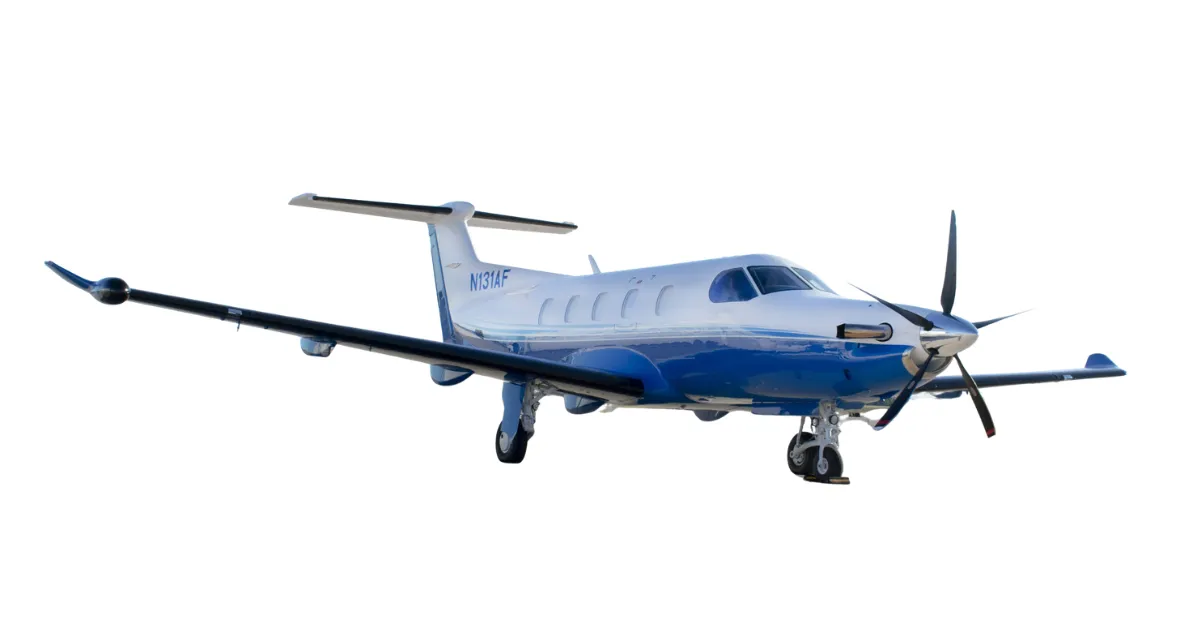
PlaneSense is not a typical commercial airline with crowded terminals and boarding zones that feel like cattle calls. It is a private fractional aircraft ownership company based in the United States. Founded in 1995, PlaneSense focuses on providing private aviation access to individuals and businesses that prefer flexibility over fixed airline schedules. No chaotic gate changes. No long security lines. Just streamlined travel built around the client’s timetable.
The company operates under FAA Part 135 regulations, meaning flights are operated as on-demand charter services. PlaneSense does not sell standard airline tickets. Instead, customers purchase fractional ownership shares or use jet card-style access programs. It’s private aviation — scaled smartly.
Hub and Operations
PlaneSense is headquartered in Portsmouth, New Hampshire, with primary operations centered at Portsmouth International Airport at Pease (PSM). Operations stretch across the continental United States, parts of Canada, the Caribbean, and even into Central America and Mexico. Aircraft reposition constantly based on member needs — there isn’t a fixed “hub-and-spoke” system like traditional airlines.
Flights operate on demand. That means departure times revolve around client schedules. Early morning departures, late-night returns, quick day trips — it’s built for that rhythm. Aircraft are maintained in-house through PlaneSense’s FAA-certified repair station, ensuring tight operational control and safety oversight.
Cabin Classes
This is where things shift. PlaneSense does not offer traditional economy, premium economy, or business class sections. Every aircraft cabin is private. One cabin. One group. No strangers.
Economy
There is no economy class product. Every passenger onboard flies in what would be considered a private executive environment.
Premium Economy
Not applicable. Seating is spacious by default, configured for comfort and conversation rather than density.
Business Class
The entire aircraft functions like a business-class cabin — wide leather seats, club-style layouts, fold-out tables, and a quiet atmosphere that actually allows conversation. Or silence. Blessed silence.
Destination and Route Network
PlaneSense primarily serves over 1,500 airports throughout North America and nearby international regions. That’s the real twist — access to smaller regional airports that commercial airlines ignore. Remote towns. Business parks near secondary runways. Island strips that don’t show up on major booking engines.
Because flights are charter-based, routes are not fixed. A client might fly from Boston to a small airport in rural Pennsylvania one day, then from Chicago to a Caribbean island the next. The network depends entirely on member demand.
Fleet and Aircraft Details
PlaneSense operates one of the largest civilian fleets of Pilatus aircraft in the world. The fleet includes:
- Pilatus PC-12 turboprop aircraft
- Pilatus PC-24 light jet aircraft
The Pilatus PC-12 is known for short runway capability and efficiency. It typically seats up to 6–8 passengers depending on configuration. The cabin feels open, not cramped — think functional luxury, not flashy excess.
The Pilatus PC-24 is a light jet designed for speed and higher-altitude travel. It accommodates around 6–8 passengers and can access shorter runways compared to many jets in its class. Quick climb. Smooth ride. Less weather hassle at altitude.
All aircraft are maintained under strict FAA standards and supported by an in-house maintenance program.
IATA Code and Airline Code
PlaneSense operates as a private fractional ownership and charter provider. It does not function as a scheduled commercial airline and therefore does not have a standard IATA two-letter airline code used for public ticket sales.
Operations are conducted under FAA Part 135 certification rather than traditional airline scheduling systems.
Flight Experience
The experience feels different from the moment departure time is set. Travelers arrive minutes before takeoff — not hours. Security procedures follow private aviation protocols at fixed-base operators (FBOs), which are quieter, smaller, and dramatically calmer than major terminals.
Inside the cabin, seating is arranged in a club configuration. Snacks and light refreshments are typically available. Pets are welcome. Luggage limits are more flexible than commercial airlines — within aircraft weight guidelines, of course.
Noise levels are lower than older turboprops, though weather and air traffic still exist. It’s aviation. Not teleportation. Still, compared to packed cabins and middle seats? Night and day.
Online Services and Booking
Since PlaneSense operates on a fractional ownership model, booking works differently. Members request flights through the company’s scheduling team or digital platforms designed for owners. Flight availability is managed internally based on share size and contract terms.
There is no public fare search engine. No last-minute deal hunting. This is a membership-driven model.
Official Website
The official website for PlaneSense is:
The website provides detailed information about ownership programs, fleet specifications, safety standards, and operational coverage areas. It also outlines the fractional share structure, jet card options, and contact details for inquiries.
Policies
Policies vary depending on ownership agreements. Fractional owners receive guaranteed access based on share size, while jet card clients operate under defined hourly usage terms. Cancellation policies, repositioning fees, and peak travel surcharges are outlined in contractual documents rather than public fare rules.
Safety standards align with FAA regulations under Part 135. Crew members undergo recurrent training, and aircraft maintenance is conducted according to manufacturer and regulatory requirements.
Private aviation isn’t for everyone. It’s structured, membership-based, and tailored for flexibility rather than price competition. But for those needing access to smaller airports, custom departure times, and predictable aircraft availability — it fills that space without the usual airport headaches.



Leave a Reply