

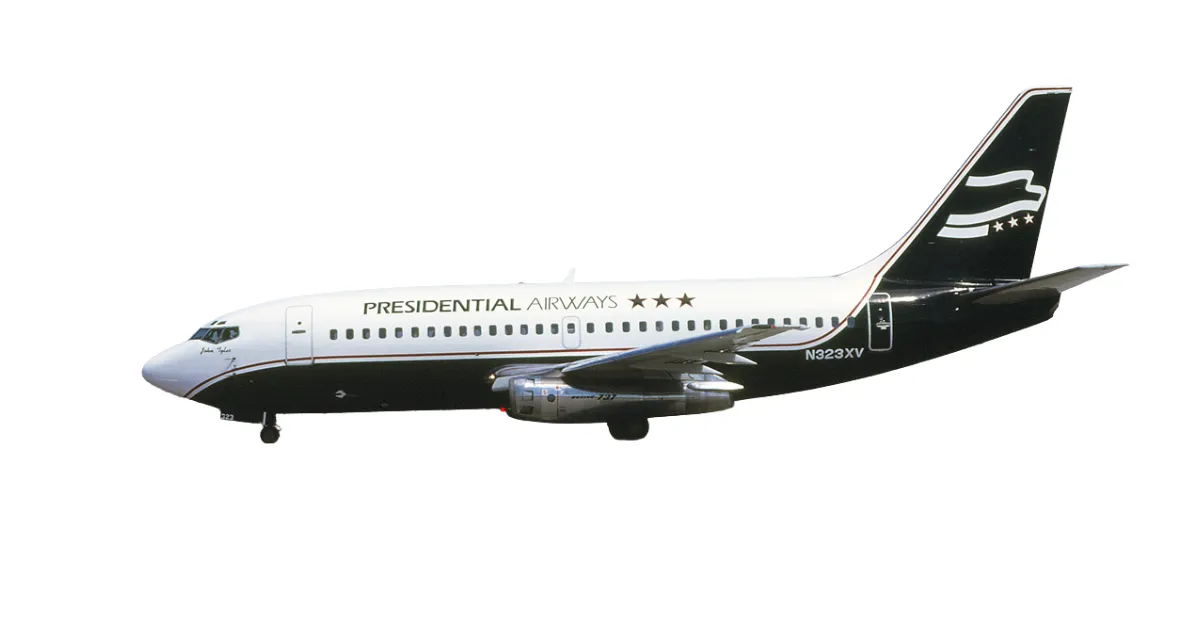
Presidential Airways. Not the kind of airline splashed across billboards at major airports. No flashy jingles. No airport lounges with mood lighting. This carrier operates in a very specific lane—charter, government, and specialized contract flying. A niche world. Quiet but serious.
Overview
Presidential Airways was a U.S.-based charter airline known for operating on behalf of government and military contracts. It functioned under the umbrella of Blackwater Worldwide (later known as Academi), focusing on high-risk and remote-region operations rather than typical commercial passenger routes. The airline was not built for holidaymakers or casual business trips. Its mission leaned heavily toward logistical transport, defense-related movement, and specialized aviation support.
Operations were tailored. Tight schedules. Strict compliance. A different rhythm compared to regular commercial carriers. It wasn’t about seat sales—it was about contract fulfillment and precision flying.
Hub and Operations
The airline was headquartered in the United States, with operational bases aligned to contract needs rather than a single busy commercial hub. Flights often operated into remote or high-risk environments, particularly in conflict zones during the 2000s. Afghanistan and Iraq saw a noticeable presence during peak contract years.
This wasn’t typical airport hopping. These missions involved strategic airfields, temporary strips, and sometimes unpredictable environments—weather shifts, security layers, last-minute changes. The operational model required adaptability. Fast thinking. No room for “let’s figure it out later.”
Cabin Classes
Here’s where expectations need adjustment.
Economy Class
There was no traditional commercial economy cabin in the way major airlines define it. Seating configurations depended on aircraft type and mission purpose. Transport-focused setups prioritized capacity and efficiency. Basic, functional, practical. Comfort wasn’t the selling point—movement was.
Premium Economy
Premium economy, as seen on long-haul commercial carriers, was not part of the standard structure. Aircraft interiors were configured based on contract requirements. Sometimes mixed layouts appeared, but they were task-driven rather than passenger-tier driven.
Business Class
No lie-flat pods. No champagne service. No curated dining menus. Flights under Presidential Airways were operational charters. Seating could be upgraded depending on mission type or client profile, but the concept of a commercial “business class” cabin didn’t formally apply.
This was aviation stripped to its job description.
Destination and Route Network
Presidential Airways did not publish a public route map. Routes were contract-based and often involved international operations into regions requiring logistical air support. Destinations varied depending on defense and government requirements, especially in Southwest Asia during the height of U.S. overseas operations.
There were no ticket counters. No seasonal promotions. No loyalty redemptions. Just assignments and deployments.
Fleet and Aircraft Details
The fleet typically included aircraft suitable for short takeoff and landing, cargo flexibility, and rugged operations. Turboprop aircraft were common choices for these environments. The airline operated models such as the CASA 212, known for reliability in rough-field conditions.
Aircraft selection wasn’t about glamour. It was about durability. Systems built to handle heat, dust, elevation, and long operational hours without drama.
IATA Code and Airline Code
Presidential Airways held the following identifiers:
- IATA Code: None publicly assigned for commercial ticketing
- ICAO Code: PRD
- Callsign: PRESIDENTIAL
Because operations were charter-based and contract-focused, traditional passenger booking systems didn’t apply.
Flight Experience
Expectations matter. The flight experience centered on efficiency and safety within operational parameters. Cabin crew services were aligned with transport needs rather than hospitality benchmarks. In-flight entertainment? Not standard. Multi-course meals? No. Clear briefings and mission coordination? Yes.
The vibe leaned practical—gear secured, manifests confirmed, quick boarding procedures. Sometimes quiet. Sometimes tense, depending on destination. It wasn’t the type of flying that showed up in travel magazines. Different world entirely.
Online Services
Public-facing online booking platforms were not part of the airline’s structure. Since Presidential Airways operated through government and contractual agreements, reservations were managed internally through official channels rather than open consumer systems.
No mobile check-in reminders. No seat selection upgrades at midnight. Just formal coordination through authorized entities.
Official Website
During its operational years, Presidential Airways maintained a corporate presence tied closely to its parent organization. Over time, structural changes within Blackwater (later Academi) affected public branding and online visibility. Direct consumer-facing airline websites were not a focus.
Corporate information, when available, was typically embedded within parent company communications rather than standalone airline marketing portals.
Policies and Operational Focus
Policies were driven by aviation regulations and government contract compliance. Safety protocols followed FAA standards, along with additional layers specific to defense-related missions. Training requirements were rigorous. Crews operated under strict procedural frameworks—no shortcuts, no improvisation beyond necessity.
Insurance, liability structures, and operational oversight reflected the environments served. That alone sets it apart from standard commercial aviation policy manuals.
What Sets Presidential Airways Apart
This airline existed in a very specific pocket of aviation. Not glamorous. Not consumer-driven. Mission-first. Operationally intense. The kind of aviation most travelers never see—and probably don’t think about while boarding a vacation flight.
It handled tasks that required resilience and precision under pressure. That’s the story. No frills, no marketing sparkle, just focused air operations in places where routine didn’t always exist.

Leave a Reply