

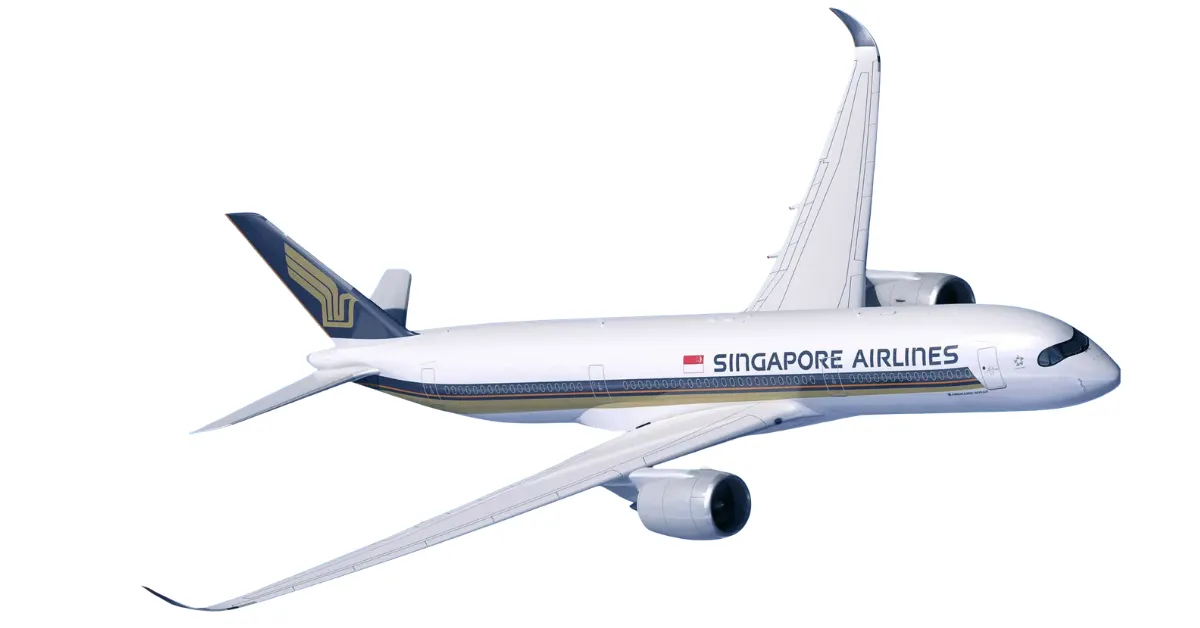
Some airlines promise comfort; Singapore Airlines actually delivers it. The carrier, based in Singapore, has built a reputation around careful service, clean cabins, and those small travel touches passengers notice only after flying elsewhere and thinking, “ugh, that was missing.” Established in 1947 as Malayan Airways, the airline now operates globally with its IATA code SQ and ICAO airline code SIA. The official website, www.singaporeair.com, handles bookings, check-ins, upgrades, loyalty programs, and real-time travel alerts.
Main Hub and Operations
Operations center around Singapore Changi Airport — one of the smoothest airports to pass through, even during peak hours. Flights run from this hub to major cities across Asia, Europe, North America, the Middle East, and Oceania. Regional partner airlines extend the reach even further, creating a network that covers more than 100 destinations worldwide. Connections are usually tight but manageable; transit procedures are designed to keep travelers moving instead of wandering around confused.
Cabin Classes and Flight Experience
Singapore Airlines offers several cabin choices designed for different budgets and expectations. Each cabin shares a common theme: calm service, reliable meals, and seating layouts that avoid the cramped feeling many travelers complain about after long flights.
Economy Class
Economy Class focuses on comfort without pushing ticket prices too high. Seats include adjustable headrests, personal entertainment screens, and USB charging ports. Meals are warm and well-planned, often reflecting regional flavors depending on the route — not just the usual tray with mystery sauce. Blankets, pillows, and attentive cabin crew support long-haul travel, making overnight flights easier to handle. Not perfect every time, of course, but consistently better than average.
Premium Economy
Premium Economy sits between Economy and Business Class, offering wider seats, extra legroom, larger entertainment screens, and upgraded meal selections. Priority boarding, increased baggage allowance, and quieter cabin sections attract travelers who want a bit of breathing space without jumping to full Business Class pricing. Many frequent flyers pick this cabin for flights over six hours — the difference in comfort can feel surprisingly big.
Business Class
Business Class delivers a noticeably different experience: lie-flat seats, aisle access for most passengers, premium dining menus, and lounge entry at major airports. Seats convert into fully flat beds, allowing proper rest rather than the awkward half-sleep common in older cabin designs. Service tends to feel personal but not intrusive — staff appear when needed and fade away when passengers prefer quiet time. For overnight international flights, this cabin often becomes the preferred choice for professionals who need to land ready for meetings instead of exhausted.
Fleet and Aircraft Details
The airline operates a modern fleet built around efficiency and passenger comfort. Aircraft commonly used include Airbus A350, Airbus A380, Boeing 777, and Boeing 787 models. Many of these planes feature updated cabin interiors, improved air-filtration systems, and quieter engines — small things that matter on flights lasting 10 to 16 hours. Fleet modernization remains ongoing, with older aircraft gradually replaced to improve fuel efficiency and reduce operational delays.
Destinations and Route Network
Singapore Airlines connects major global hubs including London, New York, Tokyo, Sydney, Frankfurt, Paris, Dubai, and Delhi. Long-haul flights form the backbone of the network, though regional Asian routes also run frequently. Strategic scheduling allows smooth transfers through Singapore, often reducing total travel time compared with multi-stop itineraries offered elsewhere. Travelers moving between continents frequently choose these routes for reliability and shorter layovers.
Online Services and Travel Tools
Digital services play a big role in the airline’s customer experience. The official website and mobile app allow passengers to manage reservations, select seats, pre-order meals, purchase upgrades, track baggage, and check flight status in real time. KrisFlyer, the airline’s loyalty program, lets members earn and redeem miles across partner airlines, hotels, and travel partners. Notifications about schedule changes or gate updates arrive quickly — sometimes earlier than airport display boards.
Passenger Policies and Travel Support
Ticket flexibility varies depending on fare type, though many international tickets include rebooking options for a fee or fare difference. Baggage allowances usually exceed the limits seen on low-cost carriers, which helps long-haul travelers carrying work materials, shopping items, or extended-stay luggage. Customer service centers operate globally, offering phone, chat, and airport counter assistance. Delays and disruptions still happen — every airline faces them — yet support teams generally respond with practical alternatives rather than scripted responses.
Why Travelers Choose Singapore Airlines
Consistency. That’s the real draw. Travelers know what they’re getting: dependable schedules, polished cabins, polite staff, and meals that feel planned rather than thrown together. Frequent flyers often stick with the airline after one good experience because surprises — the bad kind — rarely show up. Prices sometimes run slightly higher than competitors, sure, but many passengers decide the smoother trip is worth the difference, especially on long international journeys where comfort becomes less of a luxury and more of a survival strategy.




Leave a Reply