

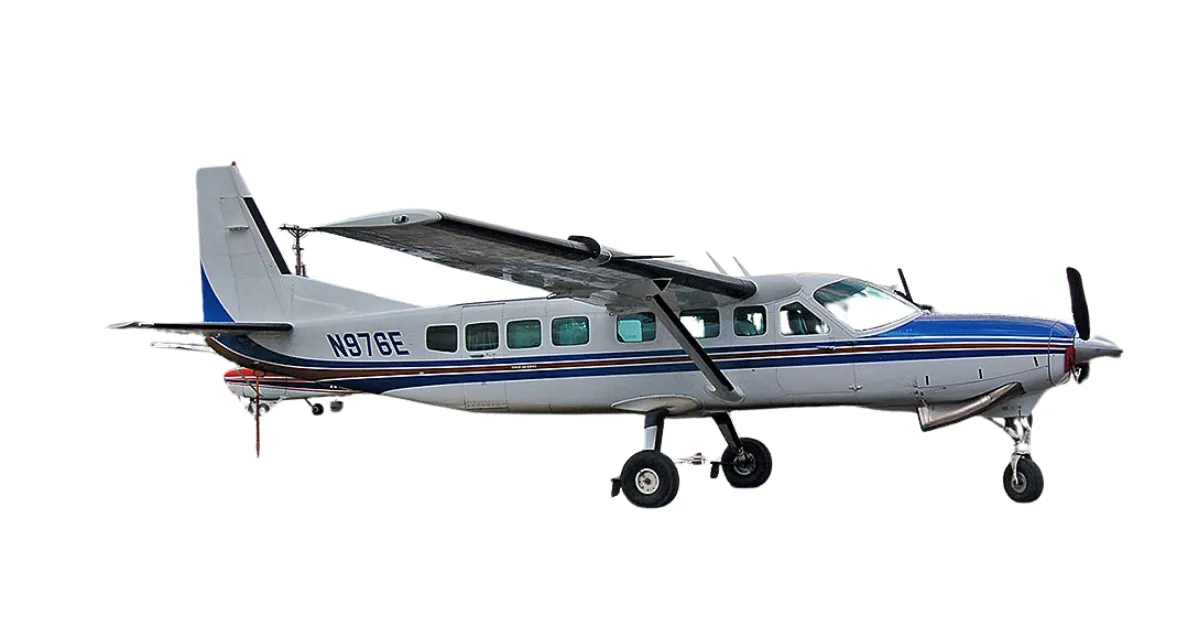
Wright Air sits in that interesting corner of aviation most travelers rarely think about — regional lifeline flying. Based in Alaska, the airline focuses on remote connectivity rather than flashy global expansion. Small communities, unpredictable weather, short gravel runways… this is everyday reality here. Founded in 1987, Wright Air built its reputation on reliability where reliability actually matters. Not glamorous, but critical. Missing a flight in rural Alaska is not just inconvenient — it can disrupt supplies, healthcare trips, and family visits. That pressure shapes how the airline operates.
Hub and Operations
The primary hub is Fairbanks International Airport, with strong operational presence in Nome and Kotzebue. Operations lean heavily toward scheduled regional passenger services and cargo transport. Bush flying conditions define daily planning — wind shifts, snowstorms, fog walls that appear without warning. Flight schedules can flex, sometimes frustrating travelers used to strict timetables, but safety calls the shots here. Maintenance procedures are strict, pilot training emphasizes Arctic navigation, and dispatch teams constantly monitor weather patterns across remote villages.
Cabin Classes
Cabin segmentation is simple — very simple. Wright Air does not offer traditional multi-class cabins like major airlines. The focus stays on functional regional seating inside small aircraft. Still, the experience can be broken into service tiers based on aircraft type and seat configuration.
Economy
Economy is the standard cabin and, honestly, the only consistent option across most flights. Seating is compact but practical. Short flight durations make elaborate seating unnecessary. Expect quick boarding, minimal onboard service, and a straightforward travel experience. No inflight entertainment screens, no elaborate meal carts — just point A to point B flying.
Premium Economy
Premium economy is not formally marketed, yet certain aircraft layouts offer slightly more comfortable seating near the front rows. This happens mostly on larger turboprops. Travelers sometimes notice better legroom or quieter cabin positioning, though availability varies by route and aircraft swap.
Business Class
Business class does not exist in the traditional sense. Charter services, however, function as a business-class alternative. Charter passengers receive private aircraft access, customized schedules, and direct routing. That flexibility can be valuable in remote regions where commercial schedules may feel restrictive.
Destination and Route Network
The network revolves around rural Alaska. Routes connect Fairbanks with villages such as Fort Yukon, Galena, Tanana, Huslia, Koyukuk, and Ambler. Some flights serve Nome and Kotzebue corridors, creating essential transport links across Arctic communities. Cargo and passenger demand often blend on the same flight — groceries, mail, medical supplies, and travelers sharing space. Route frequency depends heavily on demand patterns and seasonal needs. Winter routes can shift, summer schedules expand slightly, and charter requests fill operational gaps.
Fleet and Aircraft Details
Fleet selection reflects environment more than marketing strategy. Wright Air operates turboprop aircraft known for rugged reliability and short runway capability. The fleet includes:
- Cessna 208 Caravan
- Piper Navajo Chieftain
- Britten-Norman Islander
- Beechcraft King Air
These aircraft excel at bush flying. High-wing designs, durable landing gear, and adaptable cargo configurations make them ideal for mixed-use missions. Passenger capacity ranges from 6 to 9 seats on smaller aircraft and up to 14 on larger turboprops. Not luxurious, but extremely practical — which is the whole point.
IATA Code and Airline Code
Wright Air operates under the IATA code WR and ICAO code WRF. These identifiers appear on booking systems, flight tracking tools, and aviation databases. Regional travelers may not pay attention to airline codes, but they remain essential for scheduling and operational coordination.
Flight Experience
Flying with Wright Air feels different from major carriers. Boarding is quick — sometimes just a handful of passengers walking directly to the aircraft across the tarmac. Cabin noise levels can be higher due to turboprop engines, and turbulence in Arctic weather is not unusual. Windows offer wide views of tundra, rivers, and snow-covered landscapes, turning routine flights into unexpected scenic tours.
Crew interaction is friendly and practical. Pilots often communicate weather updates openly, which creates a reassuring sense of transparency. Inflight service remains minimal, yet the experience feels personal. The vibe is less airline, more community transport — a subtle difference that becomes obvious mid-flight.
Online Services
Online booking is available through the airline’s official website, though functionality stays basic compared to major carriers. Travelers can check schedules, request charters, and access contact information for reservations. Mobile integration exists but is simple. Customer service still relies heavily on phone communication, which actually works well for the airline’s regional traveler base. Charter inquiries, cargo bookings, and flight changes are typically handled through direct staff interaction.
Policies and Travel Information
Baggage policies reflect aircraft limitations. Weight restrictions can be stricter than typical airlines, especially on smaller planes. Travelers sometimes experience baggage adjustments due to payload balance requirements — an understandable safety measure but occasionally frustrating. Carry-on allowances vary by aircraft type. Weather-related delays and schedule changes are part of Arctic aviation reality, and flexibility remains a key expectation when flying these routes.
Charter policies allow tailored travel solutions for individuals, businesses, and government operations. Cargo transport rules prioritize essential goods, and dangerous goods regulations follow FAA standards. Pet travel is permitted on select flights, usually with advance coordination.
Official Website
The official website provides booking access, charter information, route maps, and operational updates. Travelers often use it as a reference point before contacting reservations directly. The platform reflects the airline’s practical approach — simple layout, essential details, no flashy marketing distractions.




Leave a Reply