

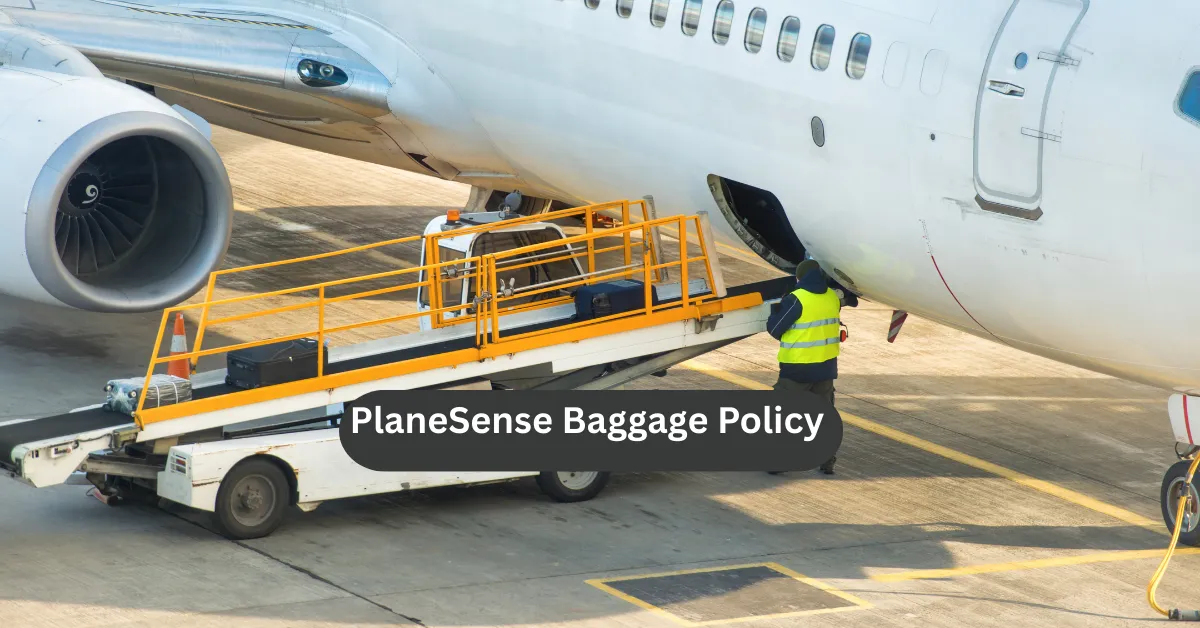
Private flying changes how people think about travel, especially when it comes to luggage. No more squeezing bags into overhead bins or paying extra fees for checked items that barely fit. PlaneSense, with its focus on fractional ownership and on-demand flights, keeps baggage handling straightforward and generous. The PlaneSense Baggage Policy centers on practicality—giving owners room for what they actually need without the headaches common in commercial air travel.
The fleet plays a big role here. PlaneSense operates Pilatus PC-12 turboprops and PC-24 light jets, both built with versatility in mind. These aircraft aren't just about getting from point A to B; they're designed for real-world use, including carrying gear that goes beyond a weekend suitcase. The PlaneSense Baggage Policy reflects that design philosophy, offering more flexibility than most people expect from private aviation.
Why Luggage Rules Differ in Fractional Ownership
Fractional programs like PlaneSense aren't bound by the same constraints as airlines. Commercial carriers set strict weight and size limits to maximize revenue from fees and ensure safe loading on fixed schedules. In contrast, PlaneSense flights are tailored to the owner's group size, destination, and needs. Baggage allowances tie directly to the aircraft's capabilities rather than arbitrary rules.
This approach means owners rarely face surprises at the ramp. The operations team discusses luggage when booking or confirming a flight. If something oversized comes up—like sports equipment or extra bags—the team works to accommodate it. The PlaneSense Baggage Policy prioritizes making travel seamless, so luggage concerns don't overshadow the experience.
Aircraft-Specific Baggage Capacities
The Pilatus PC-12 forms the backbone of the PlaneSense fleet. This single-engine turboprop has a reputation for rugged utility, and baggage space matches that. The aircraft includes a dedicated rear baggage compartment plus internal storage options. External access comes through a large cargo door, making loading straightforward even for bulkier items.
Typical capacity allows for several suitcases per passenger, often without strict per-bag weight caps. Owners commonly bring golf clubs, skis, or fishing rods without issue—the compartment handles these well. Internal cabin storage lets people keep essentials close, like briefcases or small overnight bags. The setup supports up to nine passengers comfortably, with room left for their gear.
The Pilatus PC-24 steps things up for jet travel. As a "super versatile jet," it features a massive cargo door and an internal baggage area accessible mid-flight. This design stands out—important documents or a favorite jacket stay within reach without rummaging through holds. The cabin feels spacious, and luggage doesn't eat into passenger comfort.
Both aircraft emphasize accessibility. No crawling into tight holds or waiting on ground crews. The PlaneSense Baggage Policy leverages these features, allowing owners to pack what fits realistically within the aircraft's limits rather than rigid published allowances.
Weight Considerations in Practice
Weight matters for safety and performance, but PlaneSense handles it pragmatically. Pilatus aircraft have generous useful loads, meaning more payload for people, fuel, and bags. Exact per-passenger weight limits aren't publicly fixed like airline charts—factors include trip length, weather, and airport conditions.
In typical scenarios, owners report bringing standard luggage without hitting restrictions. A family of four might pack multiple suitcases, carry-ons, and extras like coolers or kid gear. The team calculates total weight during flight planning. If adjustments are needed—say, reducing fuel slightly for shorter legs—it's done transparently.
Overweight situations are rare because flights are customized. If a group plans heavy loads, the operations center might suggest an aircraft swap or timing tweak. The PlaneSense Baggage Policy avoids punitive fees; instead, solutions focus on keeping the trip on track.
Size and Shape Flexibility
Size restrictions stay loose compared to commercial flying. The large cargo doors on both the PC-12 and PC-24 accept items that would never fit airline holds. Golf bags stand upright, skis slide in easily, and bicycles often make the trip without disassembly.
Cabin space adds another layer. Internal compartments let owners store smaller bags or valuables securely. The PC-24's in-cabin access shines here—grab something during flight without hassle. For leisure trips, this means bringing surfboards, hunting gear, or photography equipment more easily.
The PlaneSense Baggage Policy doesn't impose hard linear inch limits or force awkward packing. As long as items fit safely and don't exceed the aircraft's structural limits, they're usually fine. This freedom appeals to owners who travel with hobbies or business tools that demand odd shapes.
Special Items and Pets
Leisure travel often involves more than suitcases. PlaneSense accommodates sports equipment routinely—think golf clubs for weekend getaways or fishing rods for remote spots. These items store securely, often in dedicated areas, keeping the cabin clear.
Pets travel comfortably too. The program notes pet-friendly policies, with space for crates in baggage areas or cabins depending on size. Owners coordinate details ahead, ensuring water, ventilation, and comfort. No strict breed or size bans appear common, though safety always comes first.
Hazardous items follow FAA rules—lithium batteries in carry-on, no flammables in holds—but the private nature means less scrutiny than TSA lines. The PlaneSense Baggage Policy keeps things practical while staying compliant.
How the Policy Compares to Other Options
Charter flights vary wildly—some operators nickel-and-dime for extra bags, others offer generous allowances but at higher hourly rates. Jet cards might cap baggage to control costs. Airlines, of course, enforce tight limits with fees stacking up quickly.
PlaneSense stands apart by integrating baggage into the ownership experience. No separate checked bag charges or gate-check drama. The focus stays on utility—the PC-12 and PC-24 were built for owners who need more than a roller bag. This makes the PlaneSense Baggage Policy feel like an extension of the aircraft's design rather than an add-on rule.
Packing Tips for PlaneSense Flights
Smart packing maximizes the available space. Soft-sided duffels often fit better than rigid suitcases in curved compartments. Labeling helps crew load efficiently. For groups, distributing weight evenly avoids balance issues.
Bringing essentials in the cabin—medications, electronics, snacks—keeps things handy. Since internal access exists on the PC-24, plan for that convenience. Oversized items get flagged early in booking to confirm fit.
Weather or destination might influence choices—extra layers for cold spots or waterproof bags for beach trips. The operations team offers guidance, turning potential stress into simple planning.
Common Questions About the PlaneSense Baggage Policy
Owners often ask about maximum bags per person. Answers depend on group size and aircraft, but four to six pieces plus carry-ons rarely cause problems.
What about very heavy items? The team assesses case by case—most gear fits within norms, but extreme loads prompt discussion.
Are there fees for extra luggage? Unlike airlines, PlaneSense doesn't typically add charges for reasonable amounts that fit safely.
How does it work for international trips? Customs rules apply, but aircraft baggage handling stays consistent.
These questions highlight the program's owner-focused approach. The PlaneSense Baggage Policy avoids complexity, letting travelers concentrate on their plans.
The Bigger Picture: Convenience in Private Travel
Luggage policies reveal a lot about a travel provider. In commercial flying, restrictions remind passengers they're one of many. In fractional ownership, generous baggage handling signals priority on comfort and utility.
PlaneSense delivers that through aircraft choice and operational mindset. The PC-12's cargo door and the PC-24's internal access aren't gimmicks—they're practical features that make trips better. Owners pack what they need, load easily, and arrive ready.
This setup suits business travelers with presentation materials, families with kid gear, or adventurers with sports equipment. The PlaneSense Baggage Policy supports real-life travel rather than forcing compromises.
Wrapping Up the Approach to Baggage
Private aviation promises freedom, and baggage rules either deliver or detract from that promise. PlaneSense leans heavily toward delivery. With thoughtful aircraft design and a flexible policy, luggage becomes a minor detail instead of a major concern.
Owners enjoy the confidence of knowing their bags—big, small, odd-shaped—fit into the journey naturally. No frantic repacking at the airport, no surprise fees, just smooth boarding and arrival.
For anyone considering fractional flying, the PlaneSense Baggage Policy offers one clear advantage: it treats luggage like part of the adventure, not an obstacle.


Leave a Reply