

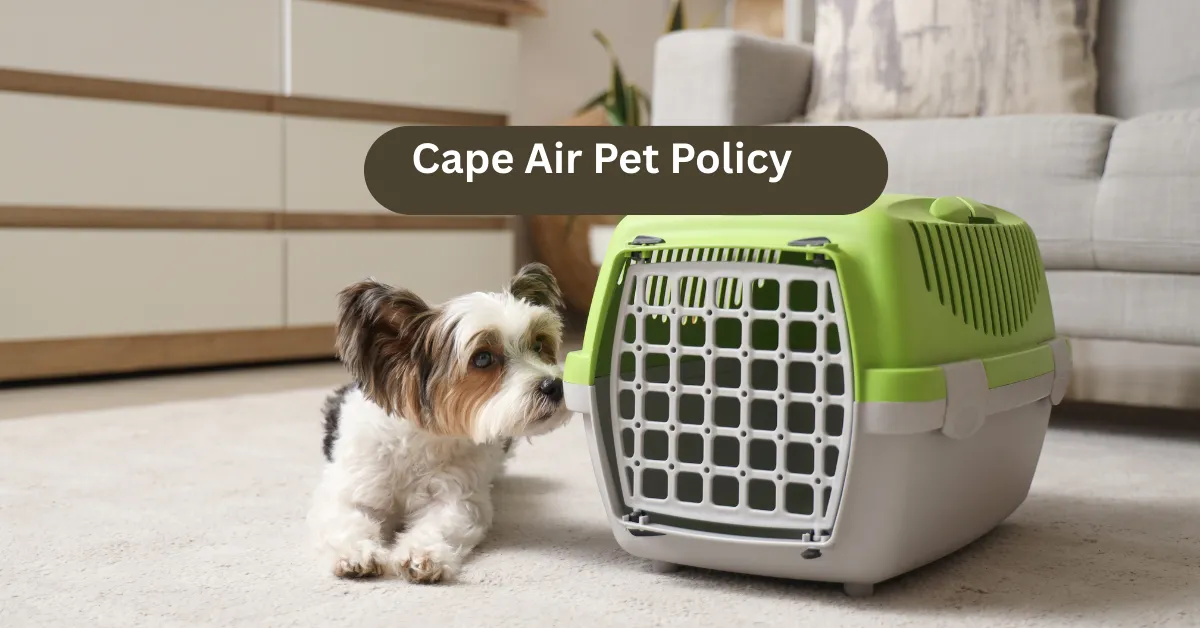
Traveling with a furry or feathered friend can be one of the most exciting parts of planning a trip, but it also comes with its own set of questions and considerations. The Cape Air Pet Policy lays out clear rules and expectations for bringing pets on board this regional airline’s flights. This guide breaks down everything you need to know, from what kinds of animals are allowed to fees, kennel requirements, restrictions, and key tips for smooth travel.
What Pets Are Allowed on Cape Air
Cape Air accepts live domesticated pets in the cabin on most flights, including dogs, cats, rabbits, and household birds. These animals must be accompanied by their owner or a designated passenger who takes responsibility for them, and they must remain under control at all times throughout the journey.
A few practical rules about animals:
-
Only one live animal per aircraft is confirmed with a reservation, although multiple pets from the same family may be permitted if space and weight allow.
-
Pets must stay in approved carriers during the entire flight unless special exemptions apply on select short island hops.
-
Cape Air does not accept pets as checked baggage or cargo—your pet must travel in the cabin with you.
The key here is that this is in‑cabin travel only. Whether you’re flying to New England islands or other destinations served by Cape Air, your pet stays with you, not below the plane or in a cargo hold where stress and risk are higher.
Pet Reservation and Booking Process
Pets travel on Cape Air on a first‑come, first‑served basis, and reservations are highly recommended because there’s a strict limit to how many animals can be on board.
-
When booking, make sure to notify Cape Air that you’ll be traveling with a pet so the carrier space can be confirmed.
-
Reservations can’t always be made online; calling Cape Air’s reservations number sometimes ensures proper space is held for your pet.
-
Even after a pet is reserved, the small size of Cape Air aircraft means staff may determine on the day of travel whether the animal can safely be accommodated.
This advance notice is important because Cape Air aircraft are smaller than most commercial jets. Space and weight limitations affect how many pets can be safely onboard.
Fees and Charges
The Cape Air Pet Policy includes a pet travel fee that applies each way on your journey. At the time of writing, the fee for bringing a pet on board is $30 USD per animal, each way.
A few notes on fees:
-
The fee is paid in addition to your own ticket, so make sure you factor that into travel costs.
-
Some loyalty or travel pass arrangements may waive this fee—check with Cape Air directly if you think this might apply.
While $30 may seem modest compared to some airline pet charges, remember that space is limited and planning early will help avoid disappointing surprises at check‑in.
Kennels, Carriers, and Size Limits
Cape Air doesn’t just let any-sized carrier board without conditions. There are clear size limits designed to ensure your pet fits safely and comfortably, and also meets aircraft space constraints.
Here’s a breakdown of key carrier rules:
-
Most flights require pets to be in a kennel, though on select island routes (like between Nantucket and Martha’s Vineyard), small dogs under about 35 pounds might be allowed without a kennel if properly harnessed.
-
The maximum kennel size on Cape Air Cessna 402 and Tecnam P2012 aircraft is generally 28″ x 20.5″ x 20.5″ for hard or soft kennels.
-
On flights to or from New York’s JFK, the kennel size limit is smaller (17″ x 12.5″ x 8.5″) and pets and carriers together must stay below 20 lbs.
-
Pets must be able to fit entirely within the carrier. No part of the pet is allowed to stick out of the kennel, and carriers must be leak‑proof and secure.
The specific aircraft Cape Air operates to your destination often determines which size rules apply, so confirm details when booking your flight.
Restrictions on Routes and Aircraft Types
While Cape Air is pet‑friendly, there are some notable restrictions to keep in mind:
-
Pets are not accepted on flights operated with Britten‑Norman Islander aircraft.
-
Routes to certain Caribbean locations, such as Culebra (CPX), Virgin Gorda (VIJ), Saint Barthélemy (SBH), and Nevis (NEV), do not accept pets at all.
-
Local rules at specific airports or seasonal regulations may affect whether pets are allowed, so always check ahead.
In other words, your ability to travel with a pet depends not just on the airline, but also on the type of aircraft and the route you choose.
Service Animals Versus Pets
The Cape Air Pet Policy distinguishes between pets and Service Animals. Service dogs that are trained to perform tasks for individuals with disabilities may travel in the cabin free of charge and don’t count against the one‑pet limit in some cases.
A few practical points about service animals:
-
Emotional support animals that are not trained to perform specific tasks are no longer recognized as Service Animals per U.S. Department of Transportation rules.
-
Certified service animals must be leashed or harnessed and remain under control throughout the flight.
-
A larger service dog may require extra space; sometimes passengers may purchase an adjacent seat to comfortably and safely accommodate the animal.
Even with service animals, it’s wise to call Cape Air in advance to confirm any documentation or preparation required.
Practical Preparation Tips Before Travel
There’s more to flying with a pet than just reserving their spot and paying the fee. Some practical steps make the journey easier for both you and your animal:
-
Make sure your pet is comfortably acclimated to their carrier before travel, with familiar bedding or toys inside to reduce stress.
-
Confirm health and vaccination records in case you’re asked for proof at check‑in, especially when flying to destinations with specific animal rules.
-
Arrive at the airport earlier than usual so you have adequate time for check‑in with your pet and any additional forms or screening.
These kinds of preparations can greatly smooth the process, especially when dealing with small, busy airports that Cape Air frequently serves.
What Happens If You Can’t Bring Your Pet
Even with advance notice and reservations, there may be times when a flight cannot safely accommodate a pet due to weight or space limitations. Cape Air reserves the right to refuse carriage of any pet at the gate if it determines that conditions aren’t safe.
If that happens:
-
Work with Cape Air staff to find another flight where your pet can be boarded.
-
Consider alternative travel arrangements if no suitable flights are available.
Planning ahead and staying flexible helps minimize the chance of these stressful situations.
Final Thoughts on the Cape Air Pet Policy
The Cape Air Pet Policy aims to offer a pet‑friendly option on many regional and island routes while maintaining safety and comfort for all passengers. By understanding allowed animals, kennel and size rules, reservation steps, fees, and restrictions, pet owners can plan a more relaxed and predictable trip with their companion animal.
Always double‑check the latest guidelines directly with Cape Air before booking, as airline policies can change. With the right preparation, flying with your pet on Cape Air can be a smooth and enjoyable experience for everyone involved.




Leave a Reply