

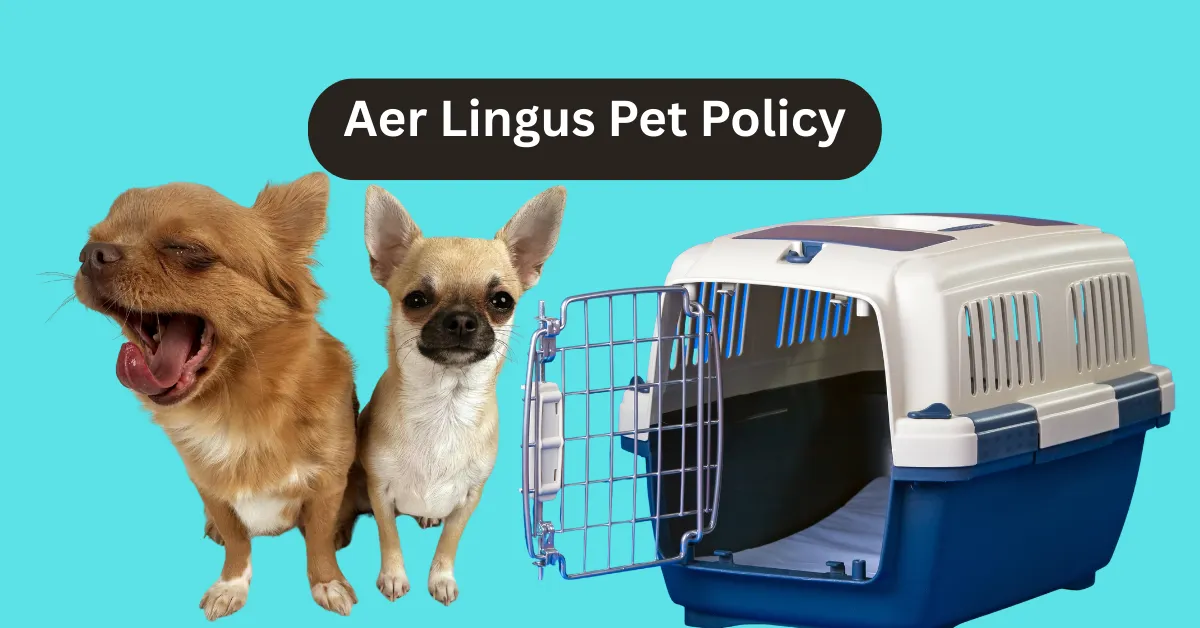
Aer Lingus Pet Policy: Traveling with pets requires careful planning, and understanding the pet policy of Aer Lingus is essential to ensure a smooth journey. Aer Lingus has specific rules regarding pet travel, including restrictions on cabin travel, cargo transportation, documentation, and safety requirements. This detailed guide covers everything you need to know before flying with your pet.
Does Aer Lingus Allow Pets?
Aer Lingus has a limited pet travel policy compared to many other airlines. In general:
- Pets are not allowed in the cabin on most Aer Lingus flights
- Small pets cannot travel in the passenger cabin, except for service animals
- Pets may be transported as cargo through approved carriers
This means if you’re planning to travel with a pet dog or cat, you’ll need to arrange transport via an approved cargo service, not as standard checked baggage.
Exception for Service and Assistance Dogs
Aer Lingus makes an important exception for assistance dogs:
- Guide Dogs & Assistance Animals
- Allowed to travel free of charge in the cabin
- Must be trained and certified by a recognized organization
- Can sit at the owner’s feet during the flight
- Must be harnessed and under control at all times
Passengers traveling with assistance dogs should notify Aer Lingus in advance (usually at least 48 hours before departure) to ensure proper arrangements.
Aer Lingus Pet Policy via Cargo
Since pets are not accepted in the cabin (except service animals), Aer Lingus works with specialist cargo partners for pet transportation.
Key Points:
- Pets are transported in the aircraft hold via cargo services
- Bookings must be made through an approved pet shipping company
- Direct booking through Aer Lingus for pets is generally not available
Cargo travel is suitable for:
- Dogs
- Cats
- Other small domestic animals (depending on destination rules)
The cargo hold is temperature-controlled and pressurized, ensuring pets travel safely and comfortably.
Approved Pet Travel Partners
Aer Lingus typically partners with animal transport specialists such as:
- IAG Cargo (part of International Airlines Group)
- Licensed pet relocation agencies
These partners handle:
- Booking arrangements
- Documentation checks
- Crate requirements
- Customs clearance
It is highly recommended to use a professional pet relocation service to avoid complications.
Pet Crate Requirements
When traveling via cargo, your pet must be placed in an IATA-approved travel crate.
Crate Guidelines:
- Strong, secure, and well-ventilated
- Large enough for the pet to stand, turn, and lie comfortably
- Leak-proof base with absorbent material
Clearly labeled with:
- Pet’s name
- Owner’s contact details
- Feeding instructions
Incorrect crate sizes or designs may result in denied boarding for your pet.
Health and Documentation Requirements
Pet travel involves strict health and documentation rules, especially for international journeys.
Common Requirements:
- Valid pet passport or veterinary certificate
- Up-to-date vaccinations (including rabies)
- Microchipping (mandatory in many countries)
- Import/export permits (depending on destination)
For travel to countries like Ireland, the UK, or EU nations, additional regulations may apply under pet travel schemes.
Breed Restrictions
Aer Lingus follows international aviation safety guidelines regarding certain breeds.
Restricted Breeds:
- Snub-nosed (brachycephalic) breeds such as Bulldogs and Pugs may face restrictions due to breathing risks
- Aggressive or dangerous breeds may also be restricted
Always confirm breed eligibility with the cargo provider before booking.
Temperature and Weather Restrictions
For the safety of animals, Aer Lingus and its cargo partners may impose temperature restrictions:
- Pets may not be accepted during extreme heat or cold
- Certain routes may have seasonal limitations
- Flights with long layovers may be restricted
These rules are designed to prevent health risks to animals during transit.
Cost of Traveling with Pets
Pet travel via cargo can be significantly more expensive than standard baggage fees.
- Factors Affecting Cost:
- Size and weight of the pet
- Crate dimensions
- Route and destination
- Additional services (customs clearance, handling, etc.)
Costs can range from a few hundred to several thousand dollars, depending on the journey.
Booking Process for Pet Travel
Here’s a step-by-step overview:
- Contact an approved pet travel agent
- Provide pet details (breed, size, weight)
- Prepare documentation and vaccinations
- Choose suitable flight routes
- Arrange crate and travel logistics
- Confirm booking through cargo services
It’s advisable to start the process weeks in advance to ensure availability and compliance.
Tips for Safe Pet Travel
To ensure your pet’s comfort and safety:
- Acclimate your pet to the crate before travel
- Avoid feeding right before departure (light meals recommended)
- Provide water access in the crate
- Attach familiar items (like a blanket) for comfort
- Consult your vet before travel
Sedation is generally not recommended, as it can pose health risks during flights.
Arrival and Collection
After arrival:
- Pets are usually collected from a cargo terminal, not the baggage claim area
- Identification and paperwork will be checked
- Customs clearance may be required
Make sure you arrive on time and have all necessary documents ready.
Conclusion
The pet policy of Aer Lingus is structured to prioritize animal safety, even though it may seem restrictive compared to other airlines. While pets are not allowed in the cabin (except assistance dogs), reliable cargo services ensure that animals can still travel securely.
By understanding crate requirements, documentation, breed restrictions, and booking procedures, you can plan a safe and stress-free journey for your pet. Working with experienced pet transport agencies and preparing well in advance will make the entire process smoother.
If you’re planning to travel with your pet on Aer Lingus, early preparation and compliance with all guidelines are key to a successful trip.

|

|

|

|
|

|

|

|

|




Leave a Reply